News Summary
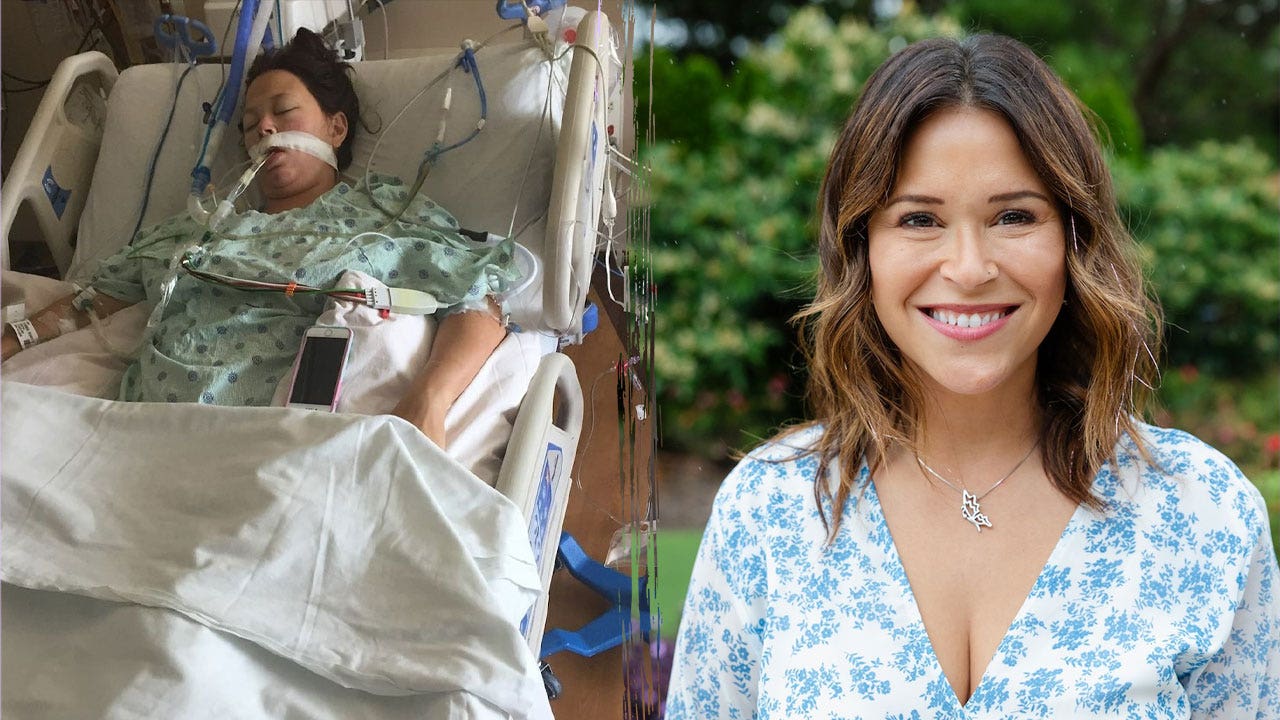
In 2015 Audrey Wiggins, then 31, developed what she initially thought was the flu; her condition progressed into severe sepsis. She presented with high fever, low blood pressure, rapid heart rate, severe stomach pain, joint pain, nosebleeds and weakness; urgent care and ER evaluation led to admission. Wiggins spent 10 days in the ICU, including five days in a medically induced coma, and developed acute respiratory distress syndrome (ARDS). She required prolonged recovery with physical therapy and a PICC line; the precise original source of infection remained unclear though she reported several concurrent infections and a recent IUD removal. Now recovered, she founded the Begin Again Foundation and wrote a children's book to teach parents and children sepsis warning signs. The article cites medical commentary about sepsis physiology and risks, lists common sepsis signs, and notes Wiggins’ emphasis on early recognition, asking clinicians “Could this be sepsis?”, and the financial burden of severe sepsis care. The piece was published in the wake of a high-profile death from sepsis and aims to raise public awareness.
Biblical Reflection
This article largely presents a straightforward survivor testimony combined with basic medical explanation—intended to inform and encourage vigilance. The intentions are charitable and educational: a survivor using her experience to help others recognize a dangerous, time-sensitive condition. The medical claims quoted are broadly consistent with mainstream descriptions of sepsis, though some statistics (for example, specific hourly increases in mortality) should be cross-checked with primary public health sources before being treated as precise. The story highlights important Christian concerns: love of neighbor (warning others so they might be saved), compassion for the sick and their families, and justice questions about healthcare access and cost that can determine outcomes. Beware of two subtle tendencies: linking a personal survival story to a celebrity death can steer attention toward individual narratives rather than systemic issues, and personal speculation about causes (e.g., IUD removal) can be treated as uncertain without clinical confirmation. Pastoral response should combine praise for advocacy, practical support for those recovering from serious illness, and calls for wise stewardship and advocacy where systemic barriers (cost, access, clinician awareness) put lives at risk.
Scripture in context
This outlook does not yet include contextual Scripture citations. Do not treat a general biblical theme as an exegetical conclusion.
Faithful Response
No prescribed response is offered. Consider the reflection prompts below in your own church context.
Reflection and Discussion
- 1How does this testimony reveal gaps in public knowledge or access that affect who seeks and receives timely care for life-threatening conditions?
- 2Are we responding with practical help and advocacy for families facing expensive medical crises, or only with sympathy?
- 3Does the article’s emphasis on a single survivor and a celebrity death shape the public’s perception of sepsis more than data on prevention and system-level solutions?
Sources
Reporting links are evidence inputs; Sanctuary News' biblical reflection is commentary.
This outlook currently relies on fewer than two linked sources. Broaden verification before teaching from it.
- 1.Original reportprimary