News Summary
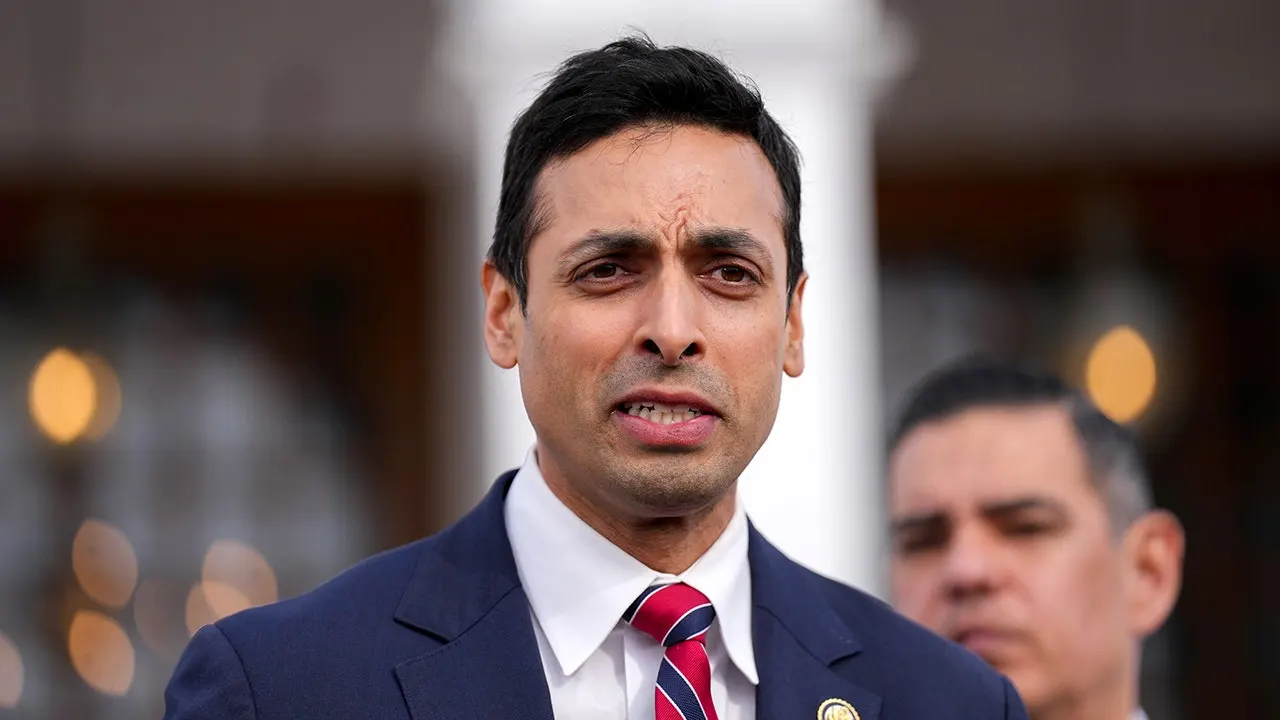
A Virginia referendum (on the ballot through April 21) would replace the state’s current congressional map — a 6-5 Democratic majority — with a proposed map that likely would produce a 10-1 Democratic advantage. Rep. Suhas Subramanyam (D-VA) defended the redistricting effort as intended to “restore fairness” and as a response to red states’ actions, arguing that lawmakers from cities and suburbs still serve rural counties. Republicans including Reps. Ben Cline and Morgan Griffith, and state House and Senate minority leaders Terry Kilgore and Ryan McDougle, called the proposal a partisan “power grab,” warning it would split and dilute rural voting power. Democrats have multiple potential candidates already lining up for seats in the drafted districts. The article includes statements from both sides, polling references about Gov. Abigail Spanberger’s popularity, and commentary situating the vote in the broader national battle over control of the U.S. House.
Biblical Reflection
This story is a straightforward example of a recurring civic tension: competing claims of “fairness” from opposing parties about how political boundaries should be drawn. The article reports both Democratic defenses and Republican criticisms, but it also carries partisan framing common in political coverage (e.g., the repeated use of charged phrases such as “power grab”). Redistricting inherently affects who is heard and whose interests are represented. Biblically, questions about justice, fairness, and care for neighbors matter here — not merely which party benefits. Christians should evaluate claims on their factual merits (look at the map metrics, compactness, respect for communities of interest, and legal standards) rather than accepting partisan labels at face value. They should also be wary of tribal impulses that justify winning at any cost; Scripture calls for honest weighing and protection of the vulnerable. At the same time, beware of simplistic narratives that portray all changes as evil or all reforms as righteous. The practical Christian response is to seek truth about the effects of the map on real people (including rural and minority communities), advocate processes that minimize partisan manipulation (independent commissions, transparent criteria), and to pursue the common good beyond short-term partisan advantage.
Scripture in context
This outlook does not yet include contextual Scripture citations. Do not treat a general biblical theme as an exegetical conclusion.
Faithful Response
No prescribed response is offered. Consider the reflection prompts below in your own church context.
Reflection and Discussion
- 1What specific evidence (map metrics, testimony, independent analysis) supports the claim that this redistricting "restores fairness" versus the claim that it advantages one party?
- 2Which communities—rural, suburban, minority—stand to gain or lose influence under the proposed map, and how are their actual needs represented in the public debate?
- 3Are the arguments framed more around short-term political advantage or longer-term principles of fair representation and stewardship of civic life?
Sources
Reporting links are evidence inputs; Sanctuary News' biblical reflection is commentary.
This outlook currently relies on fewer than two linked sources. Broaden verification before teaching from it.
- 1.Original reportprimary