News Summary
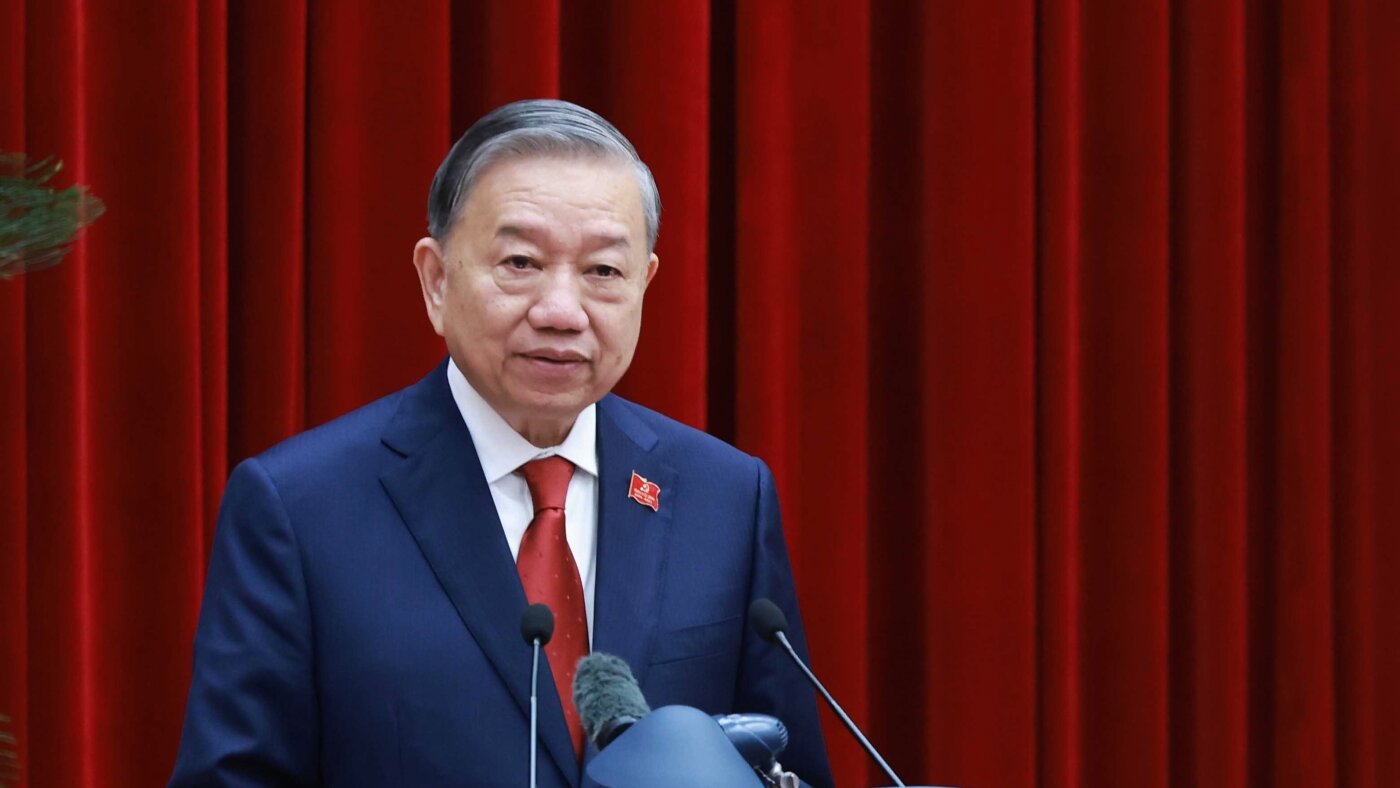
The article details the re-election of To Lam as the General Secretary of Vietnam's Communist Party and his likely consolidation of power, potentially breaking from the country's tradition of collective leadership. At age 68, Lam is positioned to become the most powerful leader in Vietnam in decades, with expectations that he will soon also assume the presidency. Lam's leadership is marked by a focus on accelerating economic growth, targeting an ambitious 10% annual growth rate from 2026 to 2030, and a shift toward empowering the private sector, technological advancement, and higher-value industries. This approach aims to transition Vietnam from an export- and cheap labor-driven economy to a more modern, diversified one. Lam's rise was propelled by a rigorous anti-corruption campaign and significant bureaucratic overhauls. However, his power consolidation and expansion of the state security apparatus raise concerns about weakened checks within the party, increased rivalry with the military, and a crackdown on activists, journalists, and environmental advocates. The article also notes Vietnam's emphasis on environmental protection and integration into global markets while acknowledging the challenges posed by corruption, an aging population, and geopolitical tensions.
Biblical Reflection
From a biblical perspective, the story of power consolidation, ambitious economic goals, and the pursuit of rapid national growth raises important questions about the use of authority, justice, and the well-being of the vulnerable. Scripture consistently warns against unchecked power and the dangers of oppression (Micah 6:8, Proverbs 29:2). While economic development can alleviate poverty and improve lives—a goal in line with biblical justice—the means by which it is pursued matter greatly. An over-concentration of power, lack of accountability, and suppression of dissent are contrary to the scriptural call for servant leadership, humility, and respect for human dignity (Mark 10:42-45; Isaiah 1:17). Furthermore, the tension between economic growth and environmental stewardship is significant. The Bible calls humanity to steward creation responsibly (Genesis 2:15), not exploit it for short-term gain. Lastly, the reported crackdowns on activists and journalists run counter to the biblical virtues of truthfulness and justice, reminding us that societies are to defend the rights of the oppressed and speak up for those who have no voice (Proverbs 31:8-9). Christians should pray for Vietnam's leaders to seek justice, mercy, and humility before God, and for economic growth to be balanced with compassion, accountability, and care for the environment and the vulnerable.
Scripture in context
This outlook does not yet include contextual Scripture citations. Do not treat a general biblical theme as an exegetical conclusion.
Faithful Response
No prescribed response is offered. Consider the reflection prompts below in your own church context.
Reflection and Discussion
- 1How might unchecked political power affect justice and the protection of human rights in a nation?
- 2In what ways should Christians balance the pursuit of prosperity with the call to care for the vulnerable and for creation?
- 3How can we pray for and support integrity, accountability, and compassion in global leadership?
Sources
Reporting links are evidence inputs; Sanctuary News' biblical reflection is commentary.
This outlook currently relies on fewer than two linked sources. Broaden verification before teaching from it.
- 1.Original reportprimary