News Summary
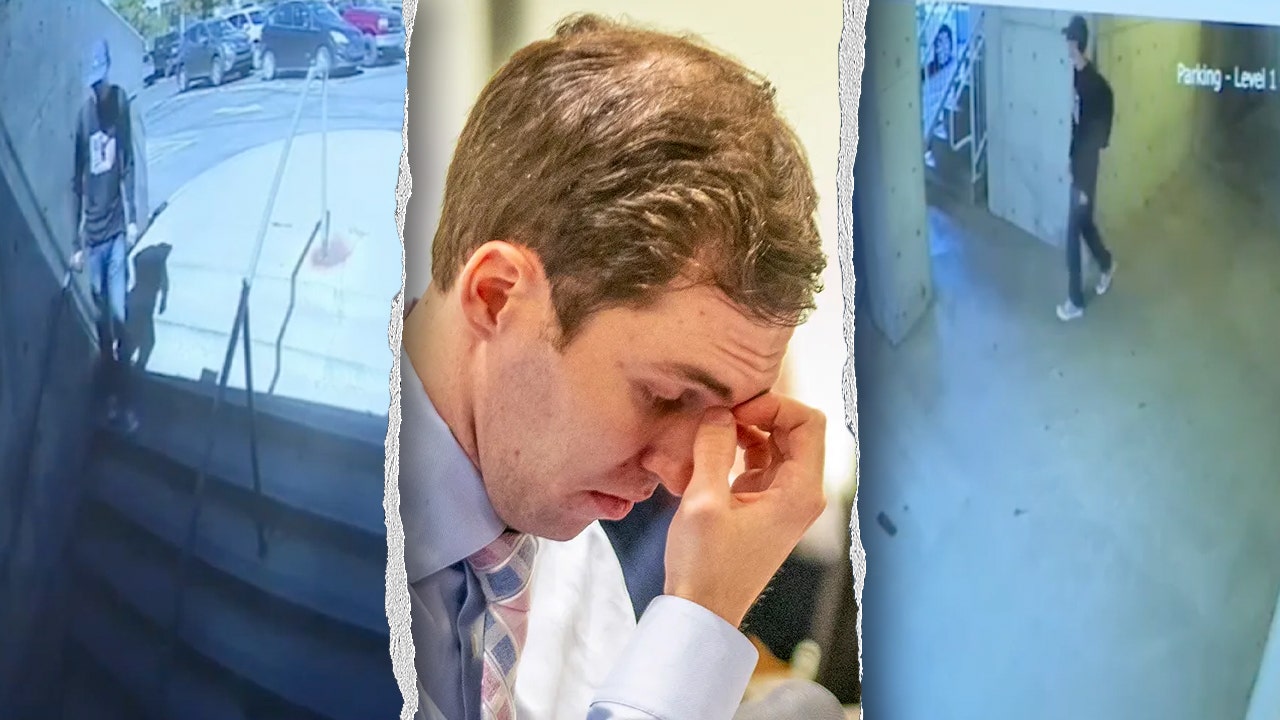
During a preliminary hearing in Provo, Utah, investigators presented a compilation of Utah Valley University (UVU) security-camera footage they say tracks a figure identified as Tyler Robinson on campus on Sept. 10, 2025, the day Charlie Kirk was shot and killed. The footage, assembled by agents who worked forward and backward from images of a person on the Losee Center roof, allegedly shows the person arriving at a campus garage in the morning, moving around campus multiple times, accessing exterior stairways and a rooftop area, lying prone near the roof edge shortly before the reported 12:23 p.m. shot, and leaving the roof immediately afterward. The video does not show the actual moment of the shooting or a visible gun. Investigators testified they observed the figure carrying something long or concealed after leaving the roof; a rifle was later reported found in a wooded area investigators had identified from the footage. Additional testimony described a vehicle tied to Robinson, an interaction with a security officer after the shooting, and changes in clothing and gait across visits. Robinson is charged with aggravated murder, prosecutors are seeking the death penalty, and the preliminary hearing was to determine whether the prosecution has sufficient evidence to proceed to trial. The judge limited some exhibit showings and set future oral arguments; Robinson has not entered a plea. Kirk’s family has urged the court to move the case forward without undue delay.
Biblical Reflection
The article reports prosecutorial evidence offered at a pretrial hearing and largely reflects the state’s narrative built from surveillance and investigative leads. Objectively, it notes important caveats — the video does not record the shooting itself and no firearm is clearly visible — which means much of the account turns on interpretation and inference. From a Christian pastoral perspective, this moment calls for pursuing truth through due process while resisting the rush to public judgment. The piece illustrates how modern surveillance and forensic work shape legal narratives and how media coverage can amplify provisional findings into public conviction before a full trial. Christians should hold both the victim’s family and the accused in prayer: seek justice for a life taken, protect the integrity of the legal process, and guard against dehumanizing the person accused. The broader worldview at play prioritizes evidentiary reconstruction and public accountability, but it can also feed sensationalism, polarizing commentary, and premature certainty. Faithful response combines a commitment to truth (letting evidence speak), mercy (recognizing the accused’s legal rights and humanity), humility (acknowledging limits of available evidence), and courage (calling for thorough, unbiased investigation and a fair trial).
Scripture in context
This outlook does not yet include contextual Scripture citations. Do not treat a general biblical theme as an exegetical conclusion.
Faithful Response
No prescribed response is offered. Consider the reflection prompts below in your own church context.
Reflection and Discussion
- 1How much weight should we place on reconstructed video timelines and investigative inference before a court of law reaches a verdict?
- 2In what ways can media coverage of preliminary evidence shape public opinion and potentially prejudice a fair trial?
- 3Does the prominence of surveillance technology change how we think about guilt, innocence, and the presumption of fairness in legal processes?
Sources
Reporting links are evidence inputs; Sanctuary News' biblical reflection is commentary.
This outlook currently relies on fewer than two linked sources. Broaden verification before teaching from it.
- 1.Original reportprimary