News Summary
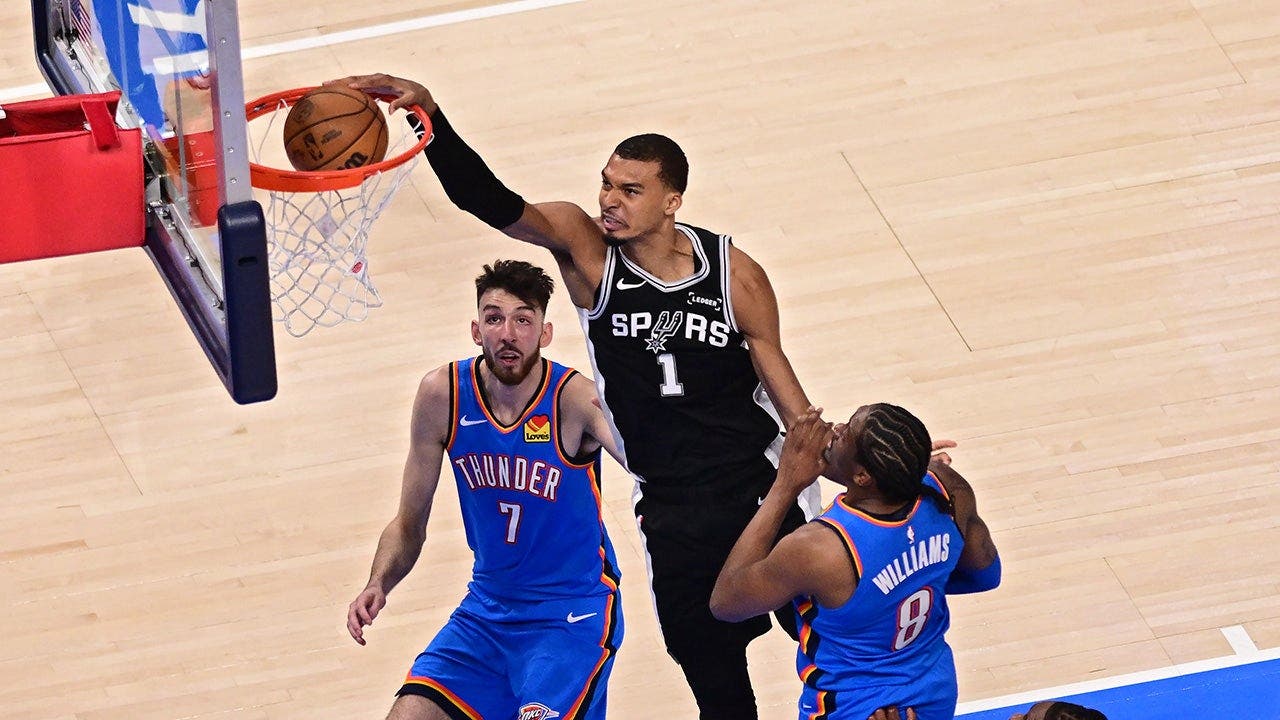
In Game 1 of the 2026 Western Conference Finals at Paycom Center in Oklahoma City, the San Antonio Spurs defeated the Oklahoma City Thunder 122–115 in double overtime. Spurs forward/center Victor Wembanyama scored 41 points and collected 24 rebounds and made several late-game clutch baskets. After the game, Wembanyama said the matchup felt personal to him, explaining that Shai Gilgeous-Alexander winning a second straight MVP award was a motivating factor. The article reporting the game included commentary and opinion about Wembanyama's performance and future expectations.
Biblical Reflection
This article mixes straight reporting about a notable athletic performance with opinionated, sensational language intended to excite readers. The factual core — the result, Wembanyama's statistics, and his postgame remark that he felt motivated by SGA's MVP award — is straightforward. The surrounding commentary, however, leans into hyperbole (GOAT comparisons, memetic predictions, dramatic phrasing) that elevates achievement into celebrity mythology. From a Christian perspective, competitive drive and the pursuit of excellence are not inherently wrong; Scripture honors faithful stewardship of gifts and working wholeheartedly (Colossians 3:23). But Christians should also be alert to two risks in this kind of coverage: 1) the idolization of human achievement, where admiration for talent becomes a form of worship or identity, and 2) the normalization of vindictive or purely self-centered motivation framed as virtue. Journalistic tactics that prioritize clicks often amplify prideful narratives and characterizations (e.g., calling a performance "cold-blooded"), so readers should separate the concrete facts from speculative hero-making. Discernment means celebrating skill and perseverance while holding public figures accountable to humility, integrity, and the broader moral goods of community and sportsmanship.
Scripture in context
This outlook does not yet include contextual Scripture citations. Do not treat a general biblical theme as an exegetical conclusion.
Faithful Response
No prescribed response is offered. Consider the reflection prompts below in your own church context.
Reflection and Discussion
- 1How does the article's language (hyperbole, memes, hero narratives) shape your perception of the players beyond the factual play-by-play?
- 2Where is the line between healthy competitiveness and motivation rooted in resentment or self-aggrandizement, and how should Christians evaluate athletes' stated motivations?
- 3Are we tempted to make sports figures idols of excellence, and how might we reframe our admiration so it honors character and community as well as talent?
Sources
Reporting links are evidence inputs; Sanctuary News' biblical reflection is commentary.
This outlook currently relies on fewer than two linked sources. Broaden verification before teaching from it.
- 1.Original reportprimary