News Summary
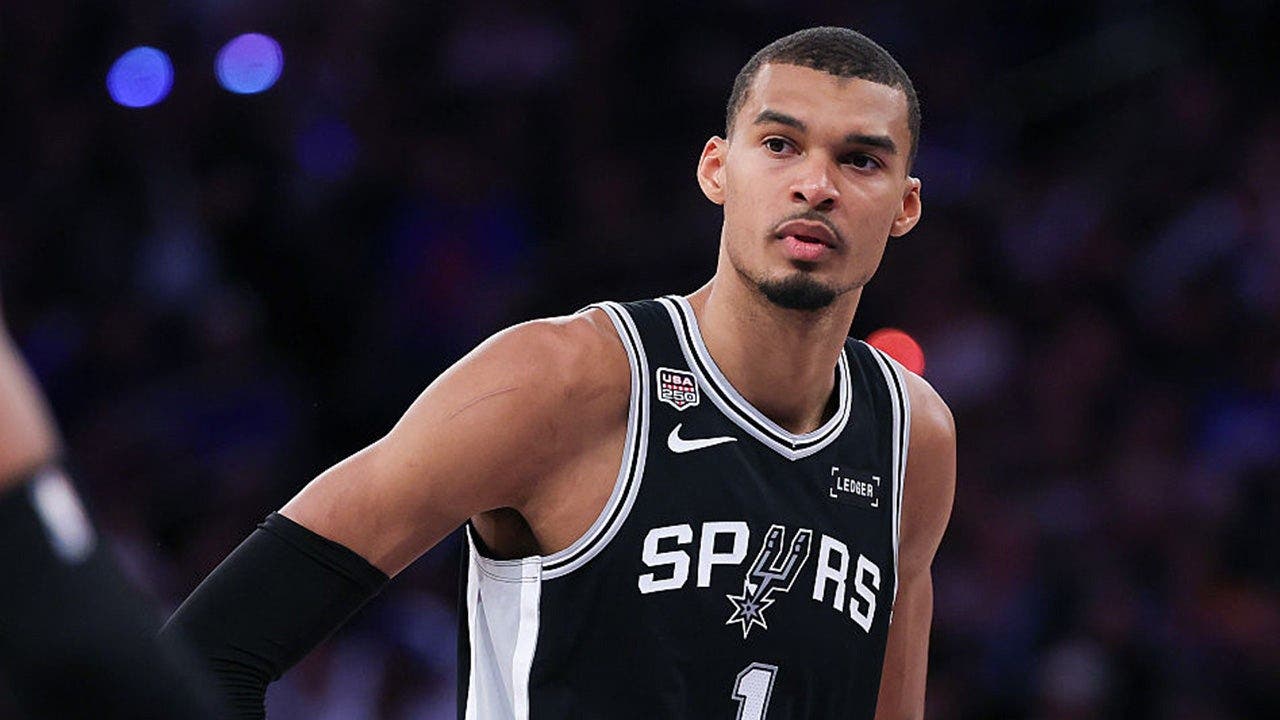
Before Game 1 of the 2026 NBA Finals between the San Antonio Spurs and New York Knicks, television cameras showed Spurs forward Victor Wembanyama standing with his arms crossed during the U.S. national anthem; the image circulated widely on social media and prompted debate. Some observers suggested he was being disrespectful, while others noted he is from France and questioned whether there was intent. OutKick reported that Wembanyama was reportedly not on the court for the anthem before Games 3 and 4 at Madison Square Garden, while most Spurs players were present. OutKick also reviewed ESPN broadcasts and noted a change in camera presentation: wider down-the-line shots in earlier games versus tighter solo shots in Game 4, which they say may have reduced the likelihood of showing Wembanyama. OutKick and other outlets say they asked the NBA, the Spurs and ESPN for comment and received no immediate response; Wembanyama has not publicly explained the Game 1 posture or reported anthem absences. The article notes that Wembanyama has previously made public comments criticizing U.S. government actions in an unrelated incident earlier in the year. OutKick states it will seek to ask Wembanyama directly at a future game to clarify intent.
Biblical Reflection
This story shows how quickly public interpretation fills gaps when facts are missing. Christian discernment calls us to pursue truth directly rather than amplify speculation. The article reasonably asks for an answer from the athlete, team, or league, but also risks encouraging partisan framing by emphasizing political figures and media omissions. Silence from institutions and reporters can invite mistrust, yet immediate conclusions about motive without hearing from the person involved undermine mercy and humility. Christians should press for transparent communication and fair journalistic practice—asking clear, respectful questions of those involved—while resisting the impulse to treat public figures as symbols rather than neighbors in need of truth and grace. The piece highlights the responsibility of media and leaders to provide facts, and the responsibility of audiences to avoid rushing to condemnation or weaponizing a posture for political gain.
Scripture in context
This outlook does not yet include contextual Scripture citations. Do not treat a general biblical theme as an exegetical conclusion.
Faithful Response
No prescribed response is offered. Consider the reflection prompts below in your own church context.
Reflection and Discussion
- 1Who benefits when a public silence goes unchallenged—media outlets, political actors, or audiences—and how does that shape the story we hear?
- 2Are we treating an individual as a symbol to be praised or condemned instead of as a person whose intent should be sought and respected?
- 3How should Christians balance a demand for transparency with mercy when public figures' actions are ambiguous?
Sources
Reporting links are evidence inputs; Sanctuary News' biblical reflection is commentary.
This outlook currently relies on fewer than two linked sources. Broaden verification before teaching from it.
- 1.Original reportprimary