News Summary
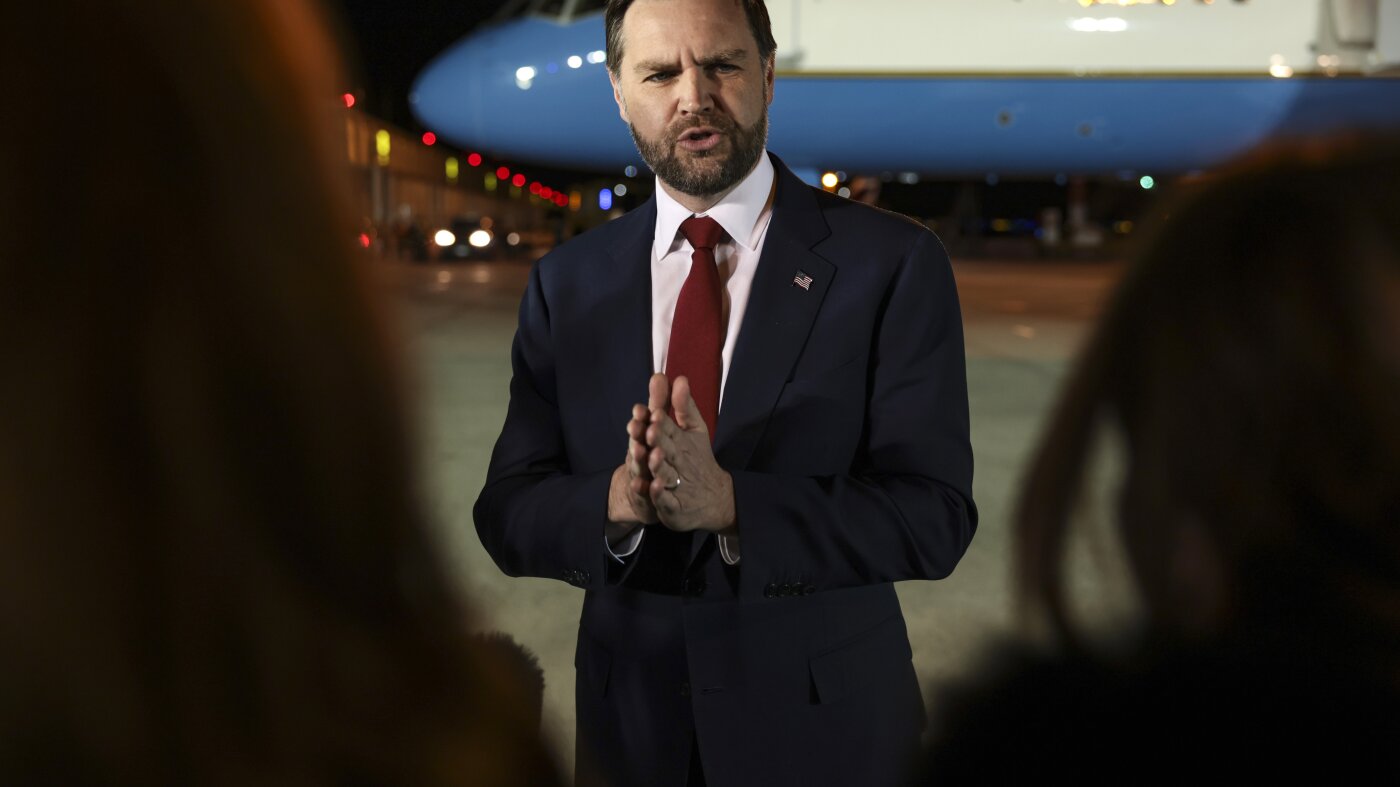
Vice President JD Vance will lead a U.S. delegation for peace talks in Islamabad, Pakistan, this weekend. Negotiators will meet to discuss efforts aimed at resolving the ongoing conflict that involves the United States, Israel and Iran. The assignment is a notable diplomatic responsibility for Vance, who previously stated a preference to keep the U.S. out of foreign wars. Separately, the four astronauts of NASA's Artemis II mission are scheduled to return to Earth: the Orion capsule is set to enter the atmosphere southeast of Hawaii at 7:53 p.m. ET and is expected to splash down in the Pacific off San Diego about 13 minutes later, after reentry at roughly 25,000 miles per hour and peak heating near 5,000°F. The newsletter also summarizes other items: First Lady Melania Trump issued a public denial of close ties to Jeffrey Epstein and urged congressional hearings for victims; internal FEMA documents show the agency owes nearly $10 billion to communities for disaster reimbursements, creating local budget strain; and the expiration of enhanced federal insurance subsidies led many exchange buyers to shift to high-deductible health plans, increasing out-of-pocket exposure for patients. The edition includes weekend entertainment and reading recommendations.
Biblical Reflection
Diplomatic efforts deserve sober Christian attention. Scripture commends peacemaking, but peacemaking in geopolitics is complex and often imperfect; it requires wisdom, humility, and sustained care for the vulnerable consequences of conflict. The decision to send a vice president who has spoken against foreign entanglements signals a political balancing act — seeking to lead while managing domestic expectations. Christians should watch for rhetoric that simplifies deep historical grievances or treats diplomacy as mere political theater. The Artemis II return invites awe at human creativity and scientific stewardship; our wonder at exploration can and should lead to praise for the Creator and ethical reflection on how technology is used. The FEMA funding backlog and health-insurance shifts highlight a biblical concern: policy and administrative failures disproportionately harm the poor and those recovering from trauma. As consumers of news, we must notice what the newsletter compresses together—headline diplomacy, space achievement, and domestic hardships—so we do not let spectacle displace advocacy for justice, care for the suffering, and prayerful pursuit of peace. Evaluate claims against facts (who is at the table, what are the aims and limits of talks) and pray for discernment about motives and likely impacts.
Scripture in context
This outlook does not yet include contextual Scripture citations. Do not treat a general biblical theme as an exegetical conclusion.
Faithful Response
No prescribed response is offered. Consider the reflection prompts below in your own church context.
Reflection and Discussion
- 1What assumptions about America's role and moral responsibility in foreign conflicts shape how this diplomacy is reported and received?
- 2How does the juxtaposition of high-profile achievements (spaceflight) with administrative or humanitarian shortfalls (FEMA backlog, rising health costs) influence which problems we prioritize and how we pray?
- 3Are the narratives presented focusing on personalities and headlines rather than the long-term needs of victims and communities affected by conflict and disaster?
Sources
Reporting links are evidence inputs; Sanctuary News' biblical reflection is commentary.
This outlook currently relies on fewer than two linked sources. Broaden verification before teaching from it.
- 1.Original reportprimary