News Summary
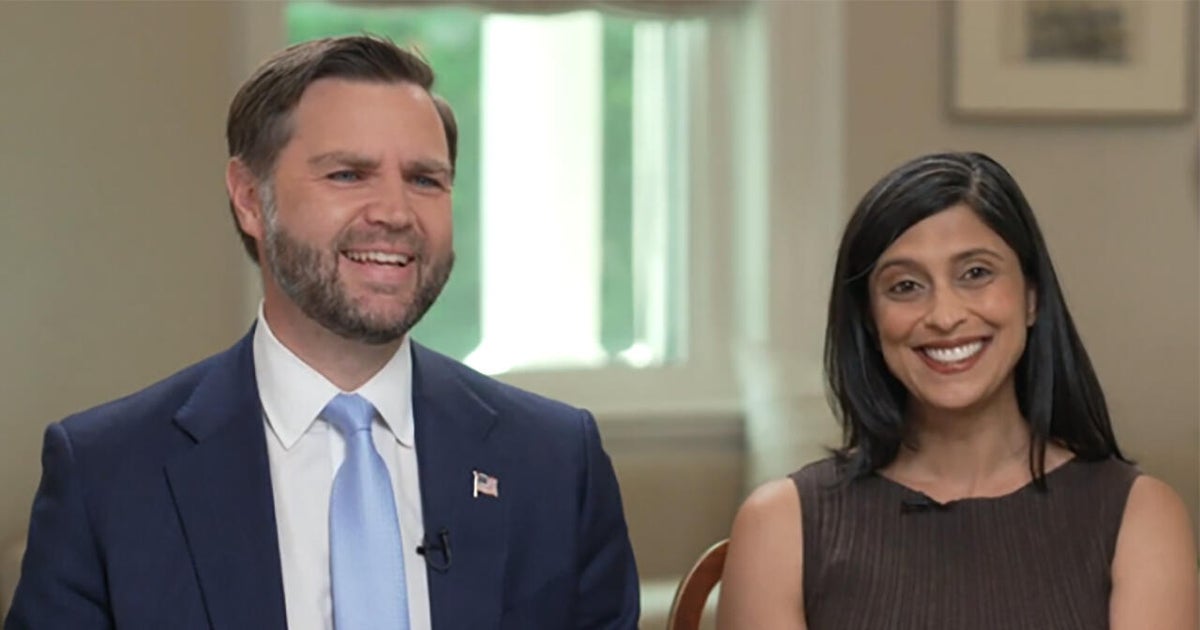
CBS News' 'Sunday Morning' interviewed Vice President JD Vance and his wife Usha at the vice president's residence. The couple are expecting a fourth child; they already have three children ages four, six and nine. The interview focused on Vance's new book, 'Communion: Finding My Way Back to Faith,' which recounts his 2019 conversion to Catholicism and describes how faith has affected his life, marriage and politics. Usha said church, rather than therapy, helped JD find rootedness; she noted that he is not daily proselytizing to her. The story describes Vance's search for stability after a chaotic youth and references his earlier book 'Hillbilly Elegy.' It says a conversation with the widow of conservative organizer Charlie Kirk contributed to the couple's decision to have another child. The interview also covers policy: Vance affirmed the administration's goal to prevent Iran from acquiring a nuclear weapon, described general skepticism about foreign military entanglements formed in part by his Marine Corps service, and defended the role of Christian leaders (including the pope) in speaking about moral issues even when he disagrees with them. He acknowledged diverse views among Catholics and Christians about administration policies and said listening is part of political leadership. The piece notes his age and the occasional public discussion with President Trump about Vance’s potential future political ambitions.
Biblical Reflection
This profile highlights how personal faith and family life shape a public leader’s identity and public posture. The article is largely descriptive and centers Vance’s conversion as a source of personal stability and moral guidance; it also signals that his faith informs but does not fully determine his policy choices. From a Christian vantage point, it is appropriate and healthy that faith bears on character, family decisions, and moral reflection. At the same time, Christians should be careful not to conflate personal piety with automatic moral authority on complex public issues. The piece underplays theological substance and communal accountability—conversion is deepened and tested within a church community, not only as private comfort. Where Vance affirms use of military force to prevent nuclear proliferation, Christians rightly press for rigorous moral discernment, prioritizing peace, protection of the vulnerable, and honest engagement with church teaching. Readers should note the article’s sympathetic framing of Vance’s faith journey and the tendency of profiles to humanize political actors; that humanization can be valuable, but it should not substitute for critical evaluation of policy consequences or for listening to a range of faithful voices, including ecclesial leaders and those most affected by the policies in question.
Scripture in context
This outlook does not yet include contextual Scripture citations. Do not treat a general biblical theme as an exegetical conclusion.
Faithful Response
No prescribed response is offered. Consider the reflection prompts below in your own church context.
Reflection and Discussion
- 1When a political leader frames a policy stance in terms of personal faith, are they appealing to theological conviction, cultural identity, or political calculation?
- 2How should Christians weigh the moral guidance of church leaders against politicians’ claims that their faith grounds a particular policy?
- 3Does a personal conversion and family piety guarantee policies that reflect the Gospel’s call to peace and care for neighbors?
Sources
Reporting links are evidence inputs; Sanctuary News' biblical reflection is commentary.
This outlook currently relies on fewer than two linked sources. Broaden verification before teaching from it.
- 1.Original reportprimary