News Summary
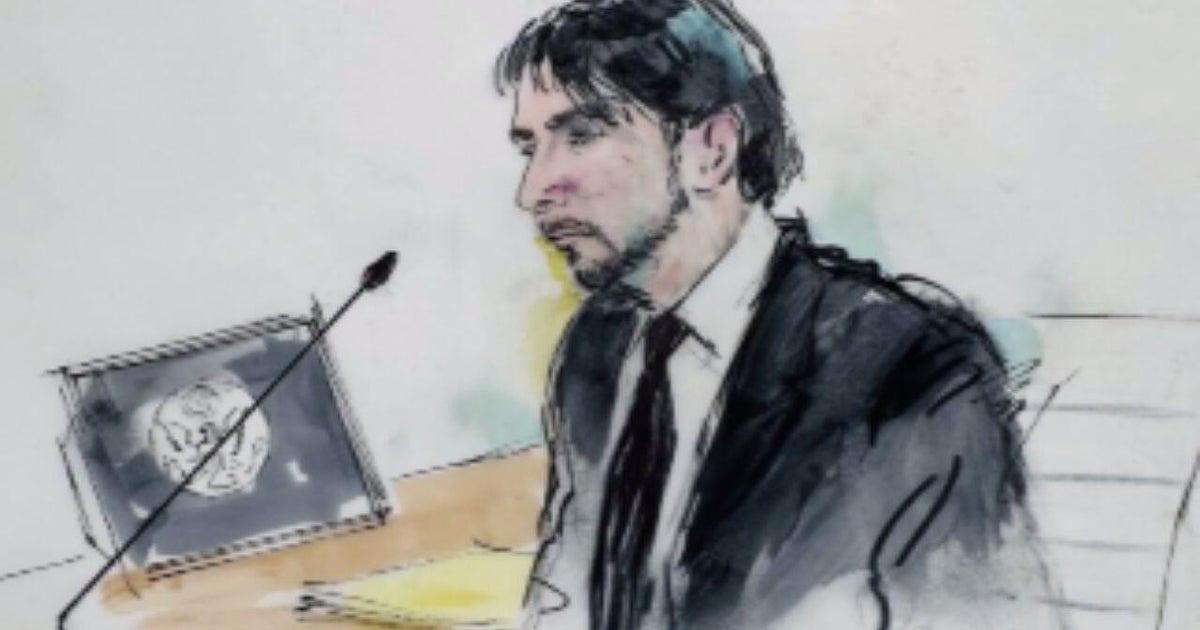
A jury has reached a verdict in the federal case against Jonathan Rinderknecht, accused of starting the Lachman Fire on Jan. 1, 2025, which investigators say continued as the deadly Palisades Fire. Prosecutors allege Rinderknecht maliciously started the brushfire after finishing an Uber shift, initially fled the scene, then returned; they say geolocation data placed him about 30 feet from the flames when they began and that he lied to investigators about his location. The defense says Rinderknecht was a witness who called 911 multiple times. The Palisades Fire burned more than 23,000 acres across Pacific Palisades, Malibu and the Santa Monica Mountains, killing 12 people and destroying over 6,800 structures; it was fully contained on Jan. 31, 2025. Rinderknecht faces a federal mandatory minimum sentence of five years and a statutory maximum of 45 years if convicted. The verdict announcement was pending at the time of the report and the story is developing.
Biblical Reflection
This report centers on a criminal trial tied to a catastrophic wildfire with heavy loss of life and property. The article relays prosecutorial claims (geolocation, alleged deception, and purported motive) alongside the defense claim that the defendant was a witness; readers should note the difference between allegation and conviction until the court's formal verdict is announced. From a Christian perspective, the story raises at least three moral concerns: the pursuit of truthful accountability for actions that harmed many, compassionate care for victims and survivors whose loss is profound, and humility about assigning motives before a full legal process concludes. The coverage leans toward presenting the prosecution's evidence in detail, which can shape public sentiment; Christians should seek both justice and mercy, avoid feeding rush-to-judgment narratives, and advocate for tangible support for those displaced or grieving. At the same time, stewardship of creation and community safeguards matter: deliberate harm to land and neighbors, if proven, demands legal consequence and communal reflection on prevention and care for vulnerable places and people.
Scripture in context
This outlook does not yet include contextual Scripture citations. Do not treat a general biblical theme as an exegetical conclusion.
Faithful Response
No prescribed response is offered. Consider the reflection prompts below in your own church context.
Reflection and Discussion
- 1Does the reporting clearly separate allegation from conviction, and are you giving the court's process the weight it requires before forming a final judgment?
- 2How does our desire for swift blame or closure obscure longer-term responsibilities to victims, prevention, and environmental stewardship?
- 3In what ways can Christians hold both offenders and survivors in prayerful concern—pursuing justice while refusing to dehumanize anyone involved?
Sources
Reporting links are evidence inputs; Sanctuary News' biblical reflection is commentary.
This outlook currently relies on fewer than two linked sources. Broaden verification before teaching from it.
- 1.Original reportprimary