News Summary
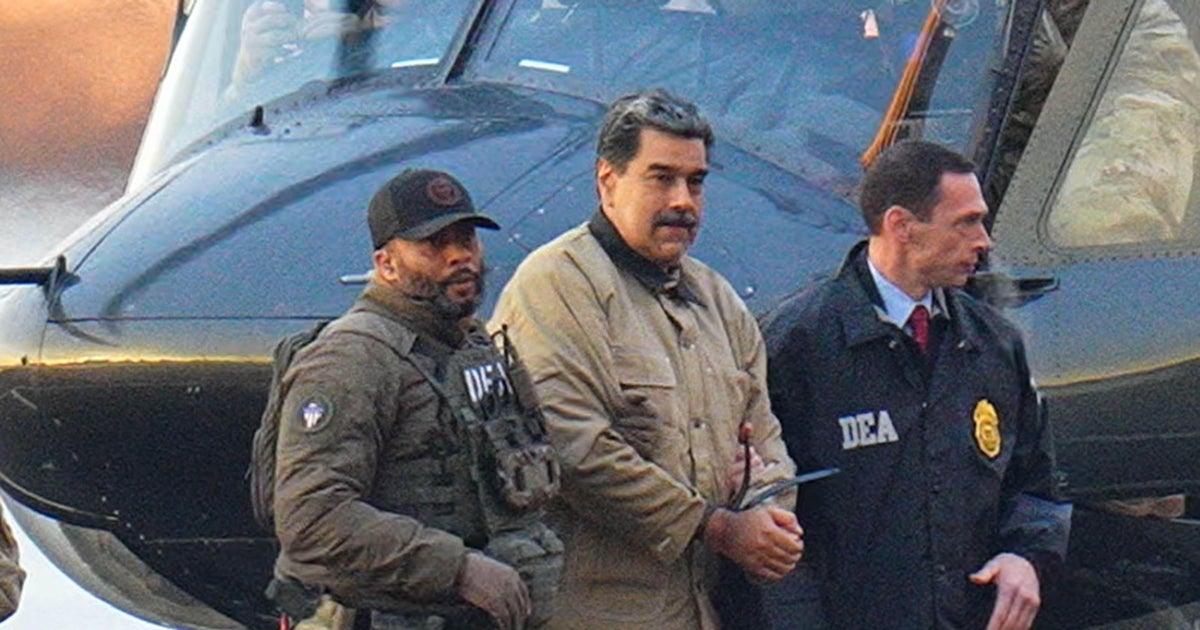
The article reports on the aftermath of a U.S. military operation that resulted in the capture and extradition of former Venezuelan President Nicolás Maduro and his wife, Cilia Flores, to the United States, where they appeared in court. The Trump administration, which orchestrated the operation, faced criticism from Senate Minority Leader Chuck Schumer and other lawmakers for lacking a clear plan for Venezuela's future. Delcy Rodríguez, Maduro's vice president, has been sworn in as interim president in Venezuela, with the military's backing. The operation caused dozens of deaths, including Venezuelan and Cuban personnel, and has drawn condemnation from several countries and the United Nations for violating international law. U.S. officials claim the action was necessary to hold Maduro accountable and to promote democracy, while critics warn of the dangers of regime change, lack of congressional authorization, and the potential for further U.S. interventions in other countries. There are also implications for oil interests, regional diplomacy, and the future governance of Venezuela, as opposition leader María Corina Machado remains outside the country.
Biblical Reflection
From a biblical perspective, this story raises weighty questions about the use of power, justice, and the pursuit of peace among nations. The forcible removal of a national leader and foreign military intervention—especially outside clear international consensus—contrasts with scriptural teachings on humility, peacemaking, and the sovereignty of nations (Acts 17:26, Romans 13:1). While justice and opposition to tyranny are values found in scripture, Jesus warns against responding to evil with evil (Matthew 5:39), and Paul urges that 'as far as it depends on you, live at peace with everyone' (Romans 12:18). The deaths of dozens, the risk of escalating violence, and the uncertainty for ordinary Venezuelans all call for compassion and prudence. Justice must not be separated from mercy, and the temptation for nations to act in pride or for self-interest—rather than genuine concern for the oppressed—must be carefully examined (Micah 6:8). Christians are called to pray for leaders, seek peace, and advocate for justice that heals rather than conquers. The lack of a transparent, just path forward for Venezuela, and the celebration of military might, stand in tension with biblical ideals of servant leadership, humility, and reconciliation.
Scripture in context
This outlook does not yet include contextual Scripture citations. Do not treat a general biblical theme as an exegetical conclusion.
Faithful Response
No prescribed response is offered. Consider the reflection prompts below in your own church context.
Reflection and Discussion
- 1How can Christians distinguish between justice and vengeance when considering global events like regime changes or foreign interventions?
- 2In what ways can we advocate for peace and justice in our communities and in the world, especially when powerful nations act unilaterally?
- 3Are we, as individuals and as a society, more concerned with asserting power or with promoting healing and reconciliation?
Sources
Reporting links are evidence inputs; Sanctuary News' biblical reflection is commentary.
This outlook currently relies on fewer than two linked sources. Broaden verification before teaching from it.
- 1.Original reportprimary