News Summary
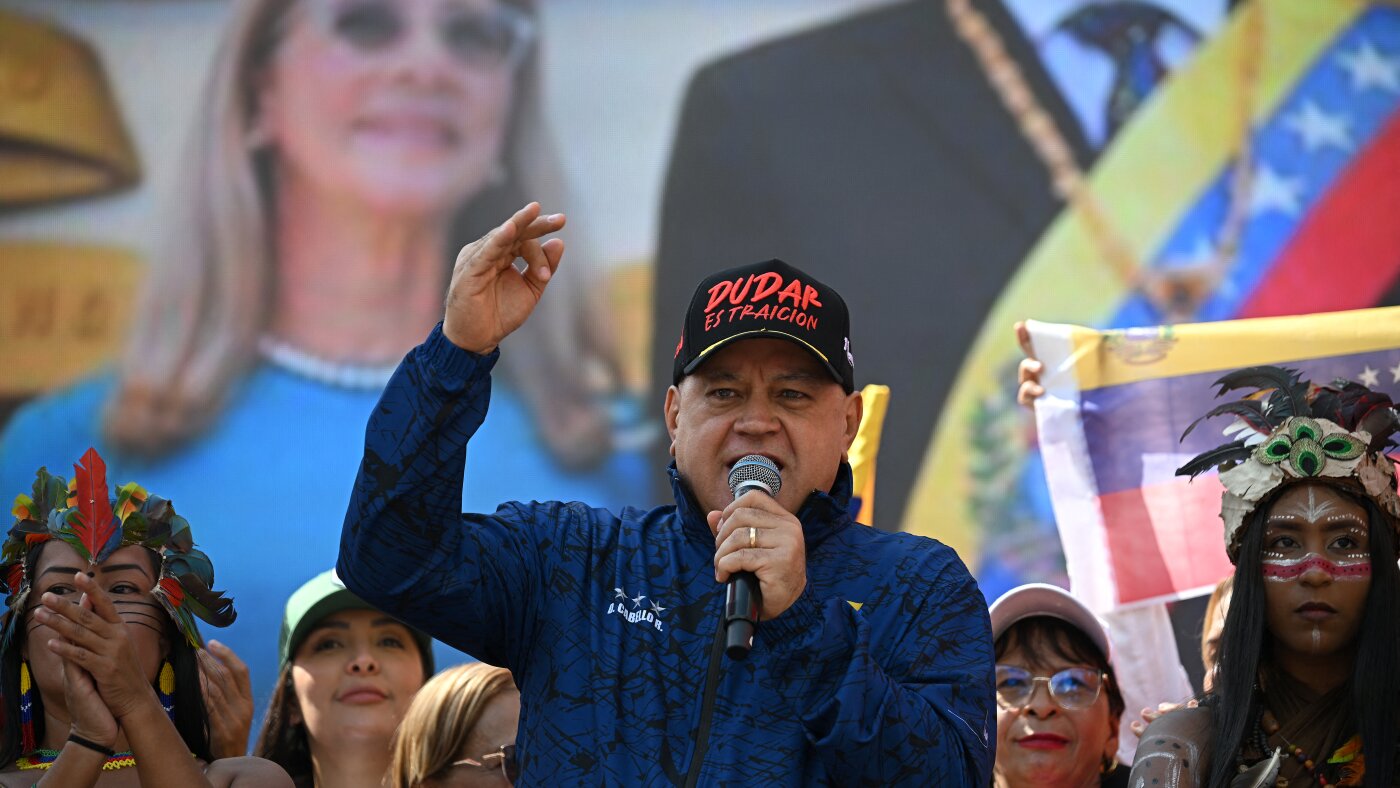
The article details the situation in Venezuela following the capture of President Nicolás Maduro by U.S. special forces, which initially sparked hope for democratic transition. However, these hopes have been dashed as Diosdado Cabello, a powerful and hardline figure within the government, remains in control. Cabello, who has been indicted by the U.S. on drug trafficking and terrorism charges, continues to serve as Interior Minister under interim President Delcy Rodríguez. He is known for his repressive tactics, including violent crackdowns on protests and alleged use of armed gangs to maintain order. Despite international and internal pressure for change, Cabello's grip on the police and security forces, as well as his attacks on dissidents and delays in releasing political prisoners, have kept the status quo intact. The U.S. and opposition figures remain wary, as the risk of further unrest and authoritarian control persists while Cabello and other hardliners retain power.
Biblical Reflection
Through the lens of Scripture, the situation in Venezuela reveals the dangers of power concentrated in the hands of those who govern through fear, oppression, and violence. The Bible repeatedly condemns rulers who exploit their positions for personal gain and who oppress the vulnerable (Isaiah 10:1-2; Micah 3:1-3). While the removal of Maduro momentarily raised hopes for justice, true transformation rooted in righteousness, mercy, and humility has not yet occurred. Instead, the continued rule of Cabello, marked by intimidation and disregard for human rights, stands in direct opposition to the biblical call for leaders to serve selflessly and uphold justice (Proverbs 29:2). Followers of Christ are reminded that real peace and justice will not be realized through mere changes in leadership or political maneuvering, but through hearts transformed by God’s truth and a commitment to protecting the dignity and freedom of all people. The situation calls for prayer for Venezuela, for the courage of the oppressed, and for leaders to turn from injustice to genuine service.
Scripture in context
This outlook does not yet include contextual Scripture citations. Do not treat a general biblical theme as an exegetical conclusion.
Faithful Response
No prescribed response is offered. Consider the reflection prompts below in your own church context.
Reflection and Discussion
- 1How does the exercise of power in this situation compare to the biblical standard for leadership and justice?
- 2What can we learn about the dangers of putting our hope solely in political change rather than in God's justice?
- 3How might Christians support those suffering under oppressive regimes, both in prayer and action?
Sources
Reporting links are evidence inputs; Sanctuary News' biblical reflection is commentary.
This outlook currently relies on fewer than two linked sources. Broaden verification before teaching from it.
- 1.Original reportprimary