News Summary
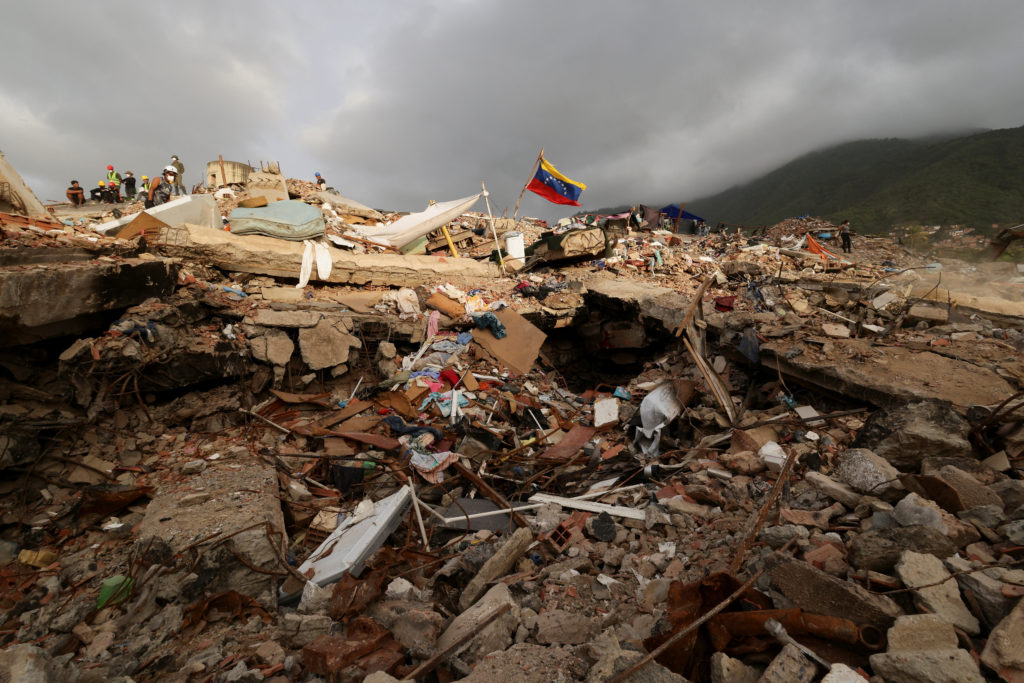
Reported facts: Powerful earthquakes struck parts of Venezuela about one month before this report; damage to schools, health facilities, and water systems has left communities without essential services. The situation is described as an ongoing humanitarian crisis. Attributed claims: Aid worker Nate Mook of All Hands and Hearts (interviewed by Amna Nawaz) reports on conditions observed during his recent return from Venezuela. Uncertainties: The article does not provide casualty or displacement figures, specifics on locations or numbers of facilities damaged, timelines for recovery, or detailed information on government or international relief coordination.
Source and Framing Analysis
The report is framed around an aid-worker interview, foregrounding humanitarian need and broken infrastructure. This perspective is valuable for understanding on-the-ground needs but introduces selection effects: the piece emphasizes immediate human impacts and NGO activity while omitting detailed quantitative data (casualties, number of damaged facilities) and official responses. Those missing elements materially affect how readers should judge the scale, duration, and appropriate policy or relief responses.
Biblical Reflection
This report centers the immediate human consequences of natural disaster and highlights the calling Christians have toward compassion and practical aid. The article presents an aid-worker perspective: emphasizing broken infrastructure (schools, clinics, water systems) and ongoing needs, which rightly focuses attention on vulnerable neighbors who depend on basic services.
At the same time, the piece leaves several factual gaps about scale and responsibility: it does not provide casualty or displacement figures, exact locations or numbers of facilities affected, nor details about government or international response and coordination. Christians should receive the human story with compassion while seeking fuller facts before forming policy conclusions. Our response should couple prayer and grief with practical help, measured advocacy for access and accountability, and humility about what we do not yet know.
In evaluating the article’s worldview, it leans toward humanitarian urgency and the competence of civic and nongovernmental relief actors; it does not promote partisan narratives. The gospel call in such times is to tenderness for the suffering, courageous truth-seeking about needs and causes, and patience in long-term rebuilding that restores dignity, not just immediate visibility.
Scripture in context
- 1Matthew 25:31-46 — A teaching of Jesus within a judgment discourse that uses concrete acts of care toward 'the least' (feeding the hungry, visiting the sick) as the basis for righteous living; historically situated as pastoral instruction to communities about neighborly obligations. — This passage calls Christians to see disaster response as central to discipleship: attending to tangible needs (food, shelter, medical care) is a form of faithful witness and responsibility toward vulnerable neighbors.
Faithful Response
Pray regularly for victims, relief workers, and local leaders; intercede for wisdom and for basic needs to be met.
Support vetted humanitarian organizations providing material relief and long-term recovery—prefer organizations with transparent coordination and accountability.
Seek accurate information before acting: ask for needs assessments, verified lists of missing or displaced people, and clear channels for donations or volunteer deployment.
Advocate respectfully for access, resources, and attention to vulnerable groups (children, elderly, disabled) with local authorities or international bodies when appropriate.
Reflection and Discussion
- 1What assumptions am I making about who is responsible for recovery (government, NGOs, churches), and how do those assumptions affect my willingness to act?
- 2How does Jesus’ care for the vulnerable reframe news of distant suffering into a personal call to prayerful, practical involvement?
- 3Am I seeking fuller facts before supporting relief efforts, and what sources will I require to trust a relief organization or appeal?
Sources
Reporting links are evidence inputs; Sanctuary News' biblical reflection is commentary.
This outlook currently relies on fewer than two linked sources. Broaden verification before teaching from it.
- 1.Aid worker describes crisis in Venezuela, one month after devastating earthquakesprimary_reporting