News Summary
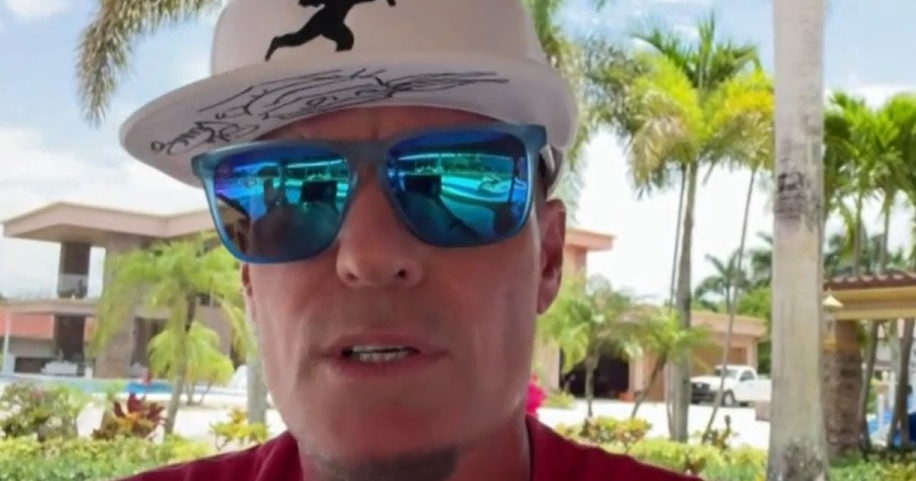
After the lineup for a Freedom 250 concert series in Washington, D.C. was announced, several artists — including Morris Day and the Time, Young MC, The Commodores, Bret Michaels, and Martina McBride — said they would drop out, with some saying they were misled about the event’s organizers and citing reporting that it is backed by former President Trump. Freedom 250 says it is nonpartisan and that Task Force 250, created by a Trump executive order for the 250th anniversary celebrations, is separate from a 2016 bipartisan commission. The Great American State Fair, run by Freedom 250, is scheduled for June 25–July 10 on the National Mall and will include state pavilions, exhibits and live performances. In an interview with CBS News, rapper Robert Van Winkle (Vanilla Ice) said he would remain on the bill, described the event as apolitical, said he has never voted, and stated he would perform “for anybody,” explicitly mentioning Vladimir Putin and Iran. He also said he has performed at former President Trump’s Mar-a-Lago club and that he does not ask about event organizers when he accepts bookings. Several artists cited concern about political associations and social media backlash as reasons for withdrawing.
Biblical Reflection
The reporting is straightforward: it records who is participating, who has withdrawn, and the statements from both artists and the event organizers. From a Christian pastoral perspective, this story highlights tensions between artistic work, political affiliation, and public witness. Vanilla Ice’s insistence that entertainment can be entirely separated from politics reflects a common desire to keep craft distinct from ideology, but the reactions of other artists show how public events are perceived and used as signals in the political marketplace. Christians should evaluate both the factual claims (who organizes and funds an event) and the ethical implications (whether participation implicitly endorses or legitimizes particular actors or agendas). We should be careful not to rush to condemnation of individuals for pragmatic choices, but neither should we ignore how public acts can be co-opted for political purposes. The posture Scripture commends is one of truth-seeking, humility, and love of neighbor: ask clarifying questions, speak honestly about convictions, and consider whether our actions build up or harm the common good. Finally, musicians or public figures who say they will perform for any leader — including authoritarian regimes — raise legitimate ethical concerns about complicity and the possible use of an appearance as propaganda; Christians should weigh freedom to serve and the responsibility to resist enabling injustice.
Scripture in context
This outlook does not yet include contextual Scripture citations. Do not treat a general biblical theme as an exegetical conclusion.
Faithful Response
No prescribed response is offered. Consider the reflection prompts below in your own church context.
Reflection and Discussion
- 1When public events are tied to political figures or agendas, how can Christians honestly assess whether participation advances the common good or silently endorses harmful powers?
- 2Is it possible in practice to separate artistic work from politics, and what responsibilities do artists have when their appearances may be used for political messaging?
- 3How do we balance grace toward individuals making career decisions with prophetic concern about complicity in systems that harm others?
Sources
Reporting links are evidence inputs; Sanctuary News' biblical reflection is commentary.
This outlook currently relies on fewer than two linked sources. Broaden verification before teaching from it.
- 1.Original reportprimary