News Summary
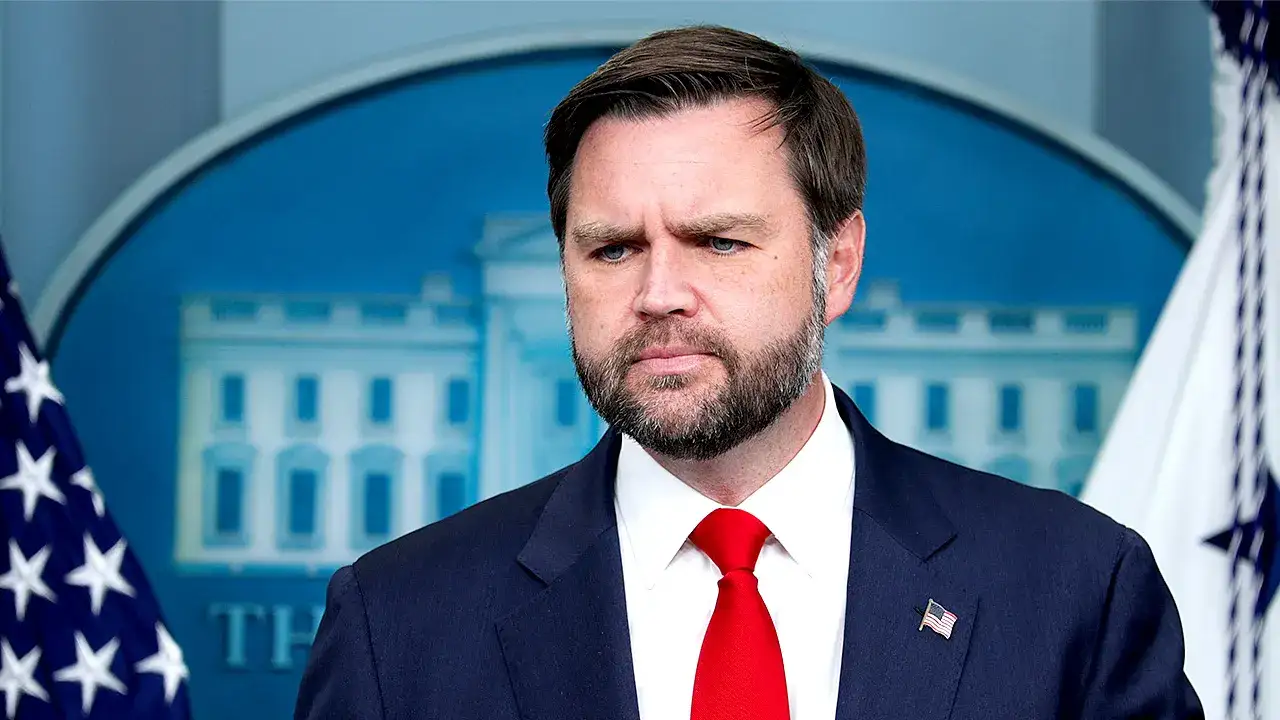
Vice President JD Vance traveled to Switzerland to publicly defend a recently signed U.S.-Iran Memorandum of Understanding (MOU). The MOU establishes a 60-day negotiating window to convert broad commitments by Tehran into enforceable terms and does not by itself resolve core disputes over Iran’s nuclear program. The White House portrays administration officials as aligned behind the MOU and says the president will only sign a "good deal." Reporting cited unnamed senior officials and Axios claiming there is an internal split, with some national security figures (reportedly including CIA Director John Ratcliffe, and others like Marco Rubio and Pete Hegseth) expressing reservations while Vance and other advocates pushed the framework. Administration spokespeople from the Pentagon and State publicly expressed support. Vance has been a visible public advocate during media appearances and a book tour; other senior officials have been more restrained in public commentary. The article notes comparisons to the earlier JCPOA and records both supporters’ view that the MOU is a diplomatic opening and skeptics’ fear it could allow Iran to stall. The administration has been attempting to begin nuclear inspections and continue negotiations; officials say inspections could begin imminently.
Biblical Reflection
This article reports on a delicate diplomatic effort that sits at the intersection of national security, political theater, and the deep human longing for peace. Christians should notice two realities: first, diplomacy requires prudence, patience, and verification — virtues that guard against both naïve trust and reflexive hostility. Second, political interests, credit-seeking, and media positioning often shape how deals are presented to the public. The piece relies on unnamed sources and competing official statements, so readers should be cautious about accepting claims of an intra‑administration split as settled fact. From a biblical perspective, seeking peace and preventing proliferation are goods to pursue, but they must be pursued in truth and with justice for those most at risk. Healthy Christian discernment will press for transparent intelligence, measurable safeguards, and accountability rather than partisan spin. Pray for wisdom for negotiators, humility for leaders who seek praise, and protection for vulnerable peoples who bear the consequences if diplomacy fails or is mishandled.
Scripture in context
This outlook does not yet include contextual Scripture citations. Do not treat a general biblical theme as an exegetical conclusion.
Faithful Response
No prescribed response is offered. Consider the reflection prompts below in your own church context.
Reflection and Discussion
- 1Whose interests and reputations might shape how this agreement is promoted or criticized, and how does that affect public trust?
- 2Are intelligence assessments and verification mechanisms being made sufficiently transparent to separate genuine security judgment from political messaging?
- 3How should Christians weigh the urgency to avoid war against the moral necessity of protecting populations from nuclear proliferation?
Sources
Reporting links are evidence inputs; Sanctuary News' biblical reflection is commentary.
This outlook currently relies on fewer than two linked sources. Broaden verification before teaching from it.
- 1.Original reportprimary