News Summary
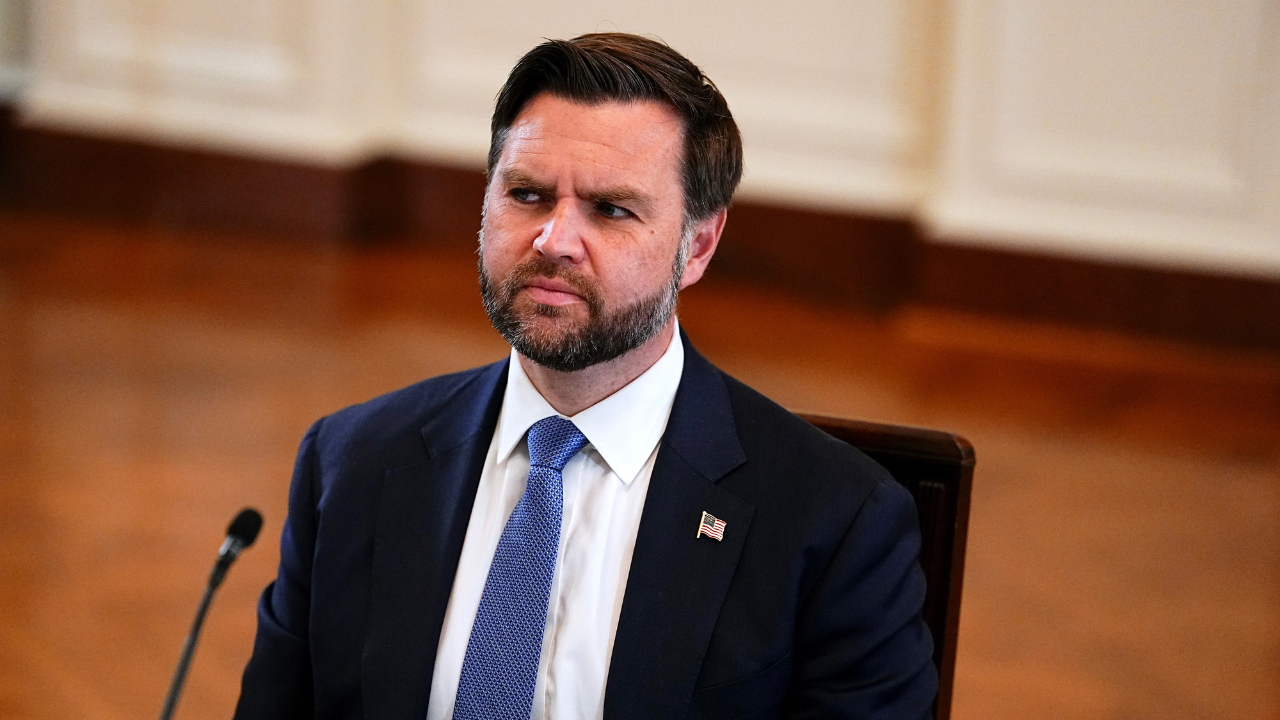
Vice President JD Vance told Fox News host Sean Hannity that the proposed U.S.-Iran memorandum of understanding is performance-based, would not provide American taxpayer funds to Iran, and would only allow Iran access to a proposed $300 billion reconstruction fund if Iran meets its obligations. Vance said the fund would be financed by private companies and other countries, not U.S. taxpayer dollars, and that Iran must demonstrate verifiable changes, including a robust inspections regime and elimination of highly enriched uranium stockpiles, to receive benefits. U.S. and Iranian officials reportedly reached an agreement to reopen the Strait of Hormuz, cease hostilities, and address Tehran’s nuclear program; the memorandum was set to be signed in Switzerland. Iranian officials described the memorandum as negotiated with distrust. Vance stated that if Iran fails to comply, relations would revert to their prior state and the U.S. would retain leverage.
Biblical Reflection
From a Christian pastoral perspective, the pursuit of peace and the prevention of nuclear proliferation are worthy goals that align with protecting human life and neighbor-love. The article is primarily a political communication: administration officials are reassuring the public that taxpayer money will not directly finance Iran and emphasizing conditionality and inspections. Readers should note the political context and media framing—claims of 'no American money' and 'performance-based' access to benefits are contingent on verification, oversight, and enforceable mechanisms that are not detailed in the report. Historically, diplomatic agreements with adversarial states have required long, patient verification and independent oversight; trusting rhetoric alone risks either false security or renewed conflict. Christian discernment calls for both hope for reconciliation and sober prudence: seek transparency, insist on honest verification, and care for those harmed by conflict while pursuing durable, just peace.
Scripture in context
This outlook does not yet include contextual Scripture citations. Do not treat a general biblical theme as an exegetical conclusion.
Faithful Response
No prescribed response is offered. Consider the reflection prompts below in your own church context.
Reflection and Discussion
- 1What independent verification and oversight mechanisms are in place to ensure that conditional promises (including the claim that no U.S. taxpayer money will fund Iran) are honored in practice?
- 2Who stands to gain or lose financially and politically from private investment in Iran, and how might that shape the implementation of the agreement?
- 3Does the public communication prioritize national security and justice, or does it reflect political messaging that could obscure unresolved risks?
Sources
Reporting links are evidence inputs; Sanctuary News' biblical reflection is commentary.
This outlook currently relies on fewer than two linked sources. Broaden verification before teaching from it.
- 1.Original reportprimary