News Summary
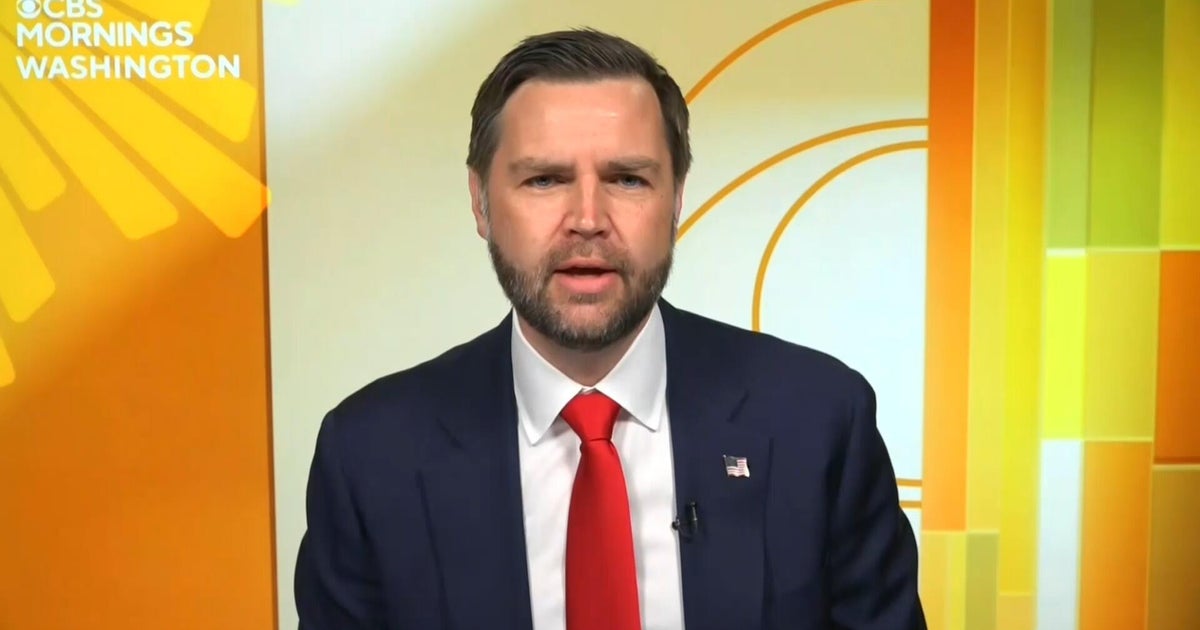
Vice President JD Vance told CBS Mornings that claims Iran will receive "billions of dollars of assets" as part of a recently announced U.S.–Iran deal are not true. Vance said the administration intends to release the full text of the agreement this week and that while the U.S. is open to discussing unfreezing assets, the reported $24 billion figure did not appear in texts he had seen. Iran's Revolutionary Guard publicly stated the deal provides $24 billion in frozen funds during a 60-day negotiation period, with half available before final negotiations begin. Vance described the deal as preventing Iran from obtaining a nuclear weapon, potentially reintroducing Iran to the world economy if it meets inspection and nuclear commitments, and opening the Strait of Hormuz. He said the U.S. will work with the IAEA and Iran to destroy enriched nuclear material and did not rule out some U.S. military role in enforcing compliance, though he said he did not expect military forces to be necessary.
Biblical Reflection
From a Christian discernment perspective, this story highlights the tension between truthfulness, prudence, and the pursuit of peace. Public leaders on both sides are still shaping the narrative while key documents remain unreleased, so definitive claims about asset transfers or guarantees are premature. The administration’s emphasis on transparency (promising to publish the agreement text) and on verification and enforcement of nuclear commitments aligns with responsible stewardship of national security and concern for global safety. At the same time, political rhetoric and differing accounts from Iranian officials suggest incentives to spin terms for domestic audiences. Christians should value truth-telling and accountability—pressing for full, verifiable disclosure rather than partisan assurances—while also praying for prudent diplomacy that seeks to prevent nuclear proliferation and protect civilians. The possibility of unfreezing funds or resuming economic ties raises moral and practical questions about justice for victims of state violence, the relief of ordinary people suffering under sanctions, and the broader consequences for regional peace. Wisdom requires holding multiple goods in tension: a desire for peace and economic opening, the need for stringent verification to prevent harm, and compassion for people affected by sanctions and conflict.
Scripture in context
This outlook does not yet include contextual Scripture citations. Do not treat a general biblical theme as an exegetical conclusion.
Faithful Response
No prescribed response is offered. Consider the reflection prompts below in your own church context.
Reflection and Discussion
- 1Who gains and who loses if frozen assets are released before verifiable nuclear dismantlement is complete?
- 2How might political incentives on both sides shape public statements about the deal, and what standards of evidence should Christians demand before accepting those claims?
- 3Does the pursuit of reopening economic ties justify risks to regional security, and how should concern for ordinary citizens under sanctions factor into our moral evaluation?
Sources
Reporting links are evidence inputs; Sanctuary News' biblical reflection is commentary.
This outlook currently relies on fewer than two linked sources. Broaden verification before teaching from it.
- 1.Original reportprimary