News Summary
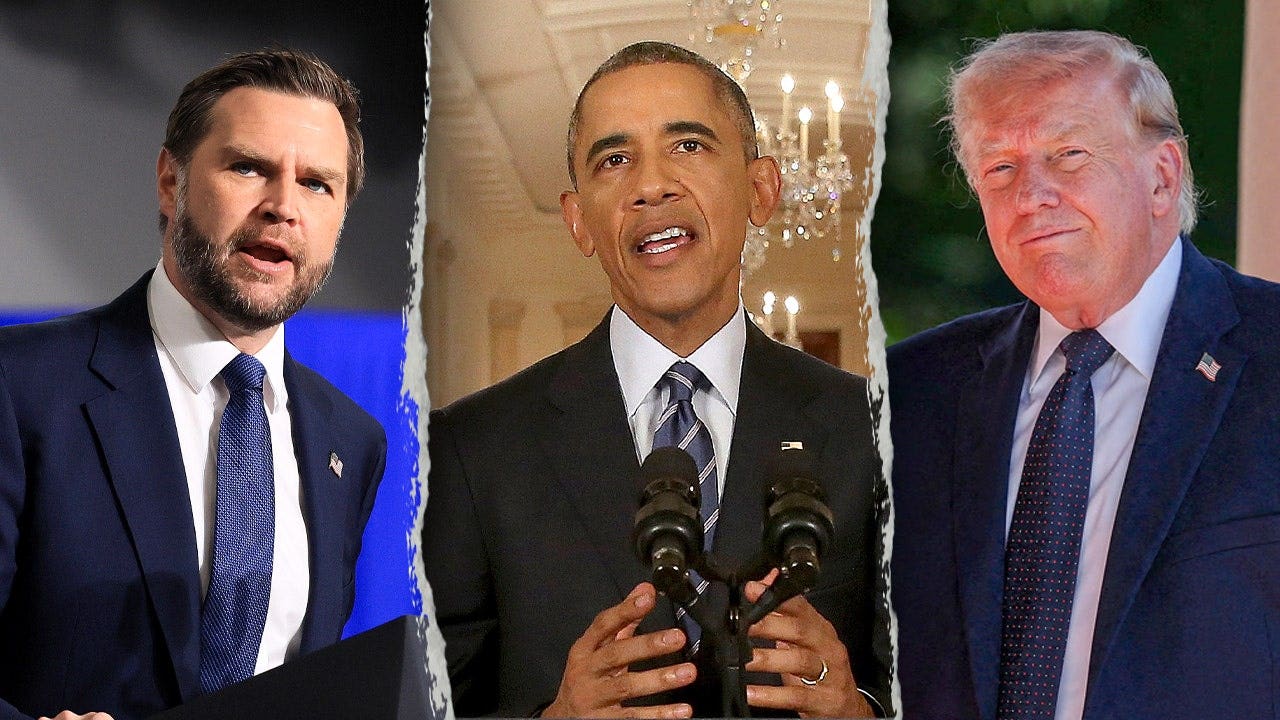
At the G7 summit President Donald Trump unveiled details of a memorandum of understanding with Iran intended to restrict Tehran's nuclear program and reopen the Strait of Hormuz. Vice President J.D. Vance publicly rejected comparisons between the new agreement and the 2015 JCPOA, arguing that economic benefits for Iran are conditional and that the administration has degraded Iran's military and nuclear capacity through prior strikes. The memorandum reportedly includes immediate oil waivers and a framework for as much as $300 billion in economic development, but officials say most benefits would only follow Iran’s verifiable compliance after a 60-day period. Critics and some experts say leaked elements resemble past Obama-era deals and caution the pact could provide a lifeline to the regime; they call for full text disclosure. Administration officials counter that no U.S. funds will be provided and that negotiations would end if Iran stalls or acts in bad faith. U.S. lawmakers and foreign-policy analysts remain split, with some warning of political and economic consequences at home if the public is not persuaded.
Biblical Reflection
This report highlights a tension common to diplomacy: the tradeoff between offering incentives to reduce threats and the risk of appearing to reward or normalize a hostile regime. The article largely reports competing claims—administration assurances that benefits are conditional and critics’ worries that the deal mirrors past concessions—without independent verification of key assertions (for example, the degree of destruction to Iran’s nuclear or military capabilities). Christians should read this with healthy skepticism about political spin from all sides. Seek the truth behind slogans: transparency and verifiable safeguards matter for accountability, while the pursuit of peace and the prevention of further bloodshed are moral goods. From a pastoral perspective, favor policies that protect innocent lives, restrain aggression, and pursue justice; at the same time, be wary of narratives that demonize entire peoples or simplify complex strategic realities. Pray for wise, humble leadership that values truth and the flourishing of neighbors both near and far.
Scripture in context
This outlook does not yet include contextual Scripture citations. Do not treat a general biblical theme as an exegetical conclusion.
Faithful Response
No prescribed response is offered. Consider the reflection prompts below in your own church context.
Reflection and Discussion
- 1What evidence is publicly available to substantiate claims that Iran’s nuclear and military capabilities have been decisively degraded, and how would that affect the deal’s risks?
- 2Are the conditional economic incentives tied to clear, verifiable benchmarks and independent inspection, or do they rely mainly on political promises?
- 3How does the reporting balance administration statements with independent verification, and what assumptions or biases might shape the narrative?
Sources
Reporting links are evidence inputs; Sanctuary News' biblical reflection is commentary.
This outlook currently relies on fewer than two linked sources. Broaden verification before teaching from it.
- 1.Original reportprimary