News Summary
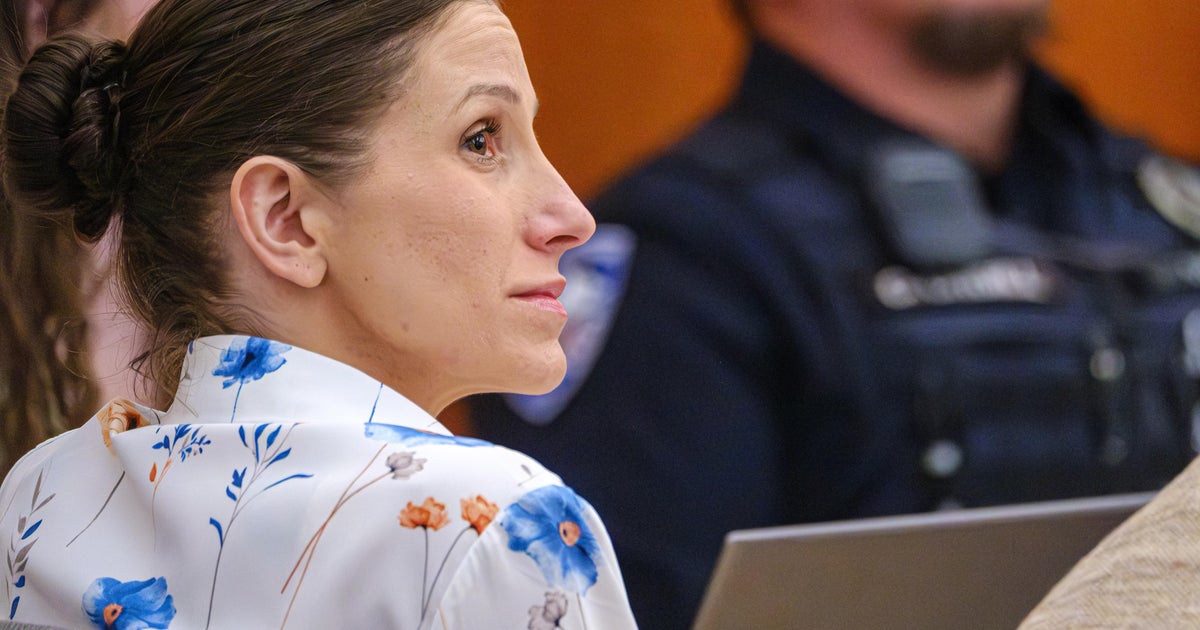
Kouri Richins, 35, was found guilty in March (2026) on five felony counts, including aggravated murder, for the 2022 death of her husband, Eric Richins. Prosecutors say she laced his cocktail with an amount of fentanyl they describe as five times the lethal dose at their home near Park City, Utah. Jurors also convicted her on additional felonies including insurance fraud, forgery, and attempted murder related to an earlier alleged fentanyl-laced sandwich on Valentine’s Day that caused Eric to black out. Prosecutors say Richins opened multiple life-insurance policies on her husband without his knowledge, was millions in debt, and was planning a future with another man; they did not seek the death penalty and are asking the judge for life without parole. Richins self-published a children’s book about a boy coping with his father’s death and promoted it locally before her 2023 arrest. A prosecutorial memo to the court (filed ahead of sentencing) included statements from the Richins' three young sons — ages 13, 11 and younger — who said they would feel unsafe if their mother were released and recounted allegations of emotional and physical abuse after their father’s death; the Utah Division of Child and Family Services findings referenced in the memo are contained in a sealed court document. Prosecutors allege a housekeeper procured fentanyl for Richins; the housekeeper told investigators she had sold fentanyl to her, according to court documents and reporting. Richins faces additional, separate money-related criminal charges that have not yet gone to trial. Her aggravated murder conviction carries either 25 years to life or life without parole; sentencing was set for the date her husband would have turned 44.
Biblical Reflection
From a Christian perspective this story raises clear and painful themes: the real human cost of sin, the need for justice, and the vulnerability of children. The article reports the state’s case, the guilty verdict, and the sons’ fear — facts that legitimately focus concern on protection of the vulnerable and accountability for wrongdoing. The reporting also highlights sensational elements (the self-published children’s book, details of the alleged scheme) that can provoke shock and righteous anger; Christians should be careful not to reduce sufferers to spectacle. Scripture affirms both justice and mercy: the community must protect children and seek just consequences for deliberate harm, while also remembering that even convicted sinners are image-bearers in need of repentance and God’s grace (Romans 3:23; Micah 6:8). Note possible informational imbalance in the article: much of the quoted material is from prosecutors, sealed documents are referenced, and defense comments were declined, so public readers are largely receiving the prosecution’s framing. That does not negate the jury verdict, but it does remind us to weigh what is reported versus what remains sealed or unspoken. As Christians our response should include sober lament for the victims and their children, support for effective protection and care for those children, prayer for truth to be known and justice to be rightly administered, and avoidance of voyeuristic celebration. Finally, the case underscores the spiritual realities beneath criminal acts: greed, deception, and destructive choices that harm families — and the gospel call to pursue justice, protect the weak, and extend transformed lives where repentance and restitution are possible.
Scripture in context
This outlook does not yet include contextual Scripture citations. Do not treat a general biblical theme as an exegetical conclusion.
Faithful Response
No prescribed response is offered. Consider the reflection prompts below in your own church context.
Reflection and Discussion
- 1How does the article’s reliance on prosecutorial claims and sealed documents shape your perception of guilt, and what further information would you need before forming a full judgment beyond the jury verdict?
- 2Are you allowing righteous anger and shock at the alleged crimes to crowd out compassion for the real, long-term needs of the children involved — safety, counseling, and stable care?
- 3How can Christians hold together a demand for justice and protection for victims while avoiding sensationalism or schadenfreude toward someone already convicted?
Sources
Reporting links are evidence inputs; Sanctuary News' biblical reflection is commentary.
This outlook currently relies on fewer than two linked sources. Broaden verification before teaching from it.
- 1.Original reportprimary