News Summary
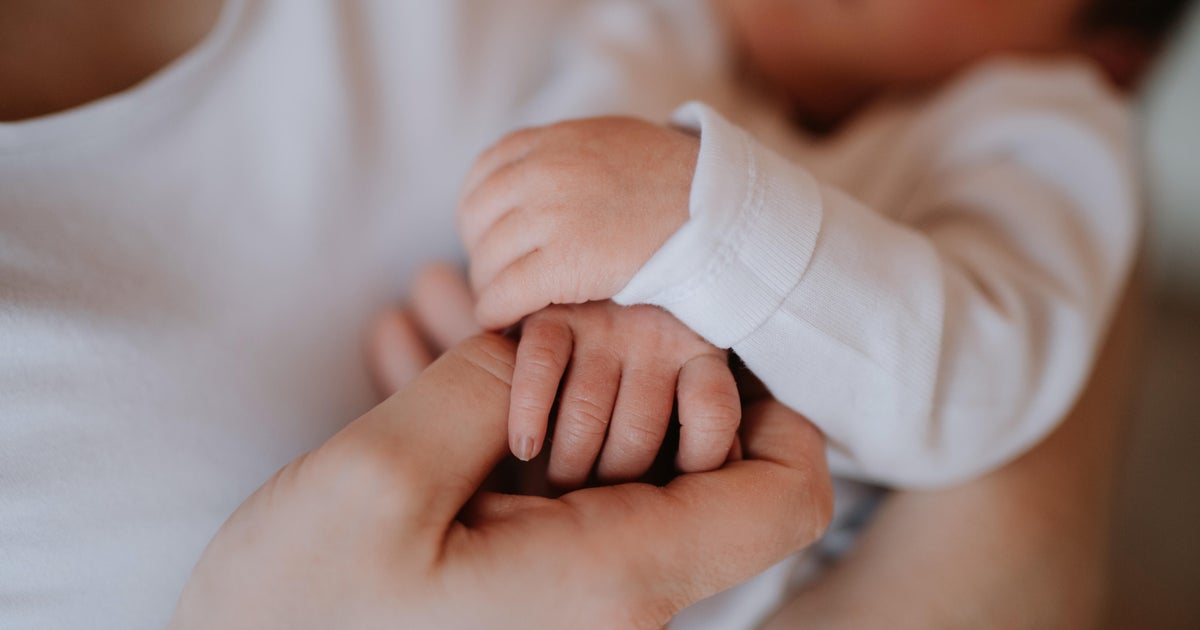
Reported facts: CBS News reports Utah’s weekly measles case count has declined while the national measles tally has not, and it describes a newborn too young for vaccination whose family has not been able to meet her. Attributions: the article attributes case-count trends to health reporting (source: CBS News). Uncertainties: the article does not supply specific case numbers, dates, regional vaccination rates, or detailed public-health guidance, leaving the scale and timing of the trends unclear.
Source and Framing Analysis
The original CBS News piece frames the story around a human-interest angle (a newborn and her family) to illustrate the public-health issue. That framing is emotionally effective but amplifies the personal hardship without supplying supporting epidemiological detail (exact case counts, timeframe for the reported weekly decline, or comparative national data). The story raises urgent pastoral and practical concerns but leaves material gaps that affect how readers should assess the scope and immediate risk.
Biblical Reflection
This report spotlights a tension between improving local case counts and continuing national transmission, centered on the vulnerability of an infant who cannot yet be vaccinated. From a Christian perspective, the situation calls us to prioritize care for the most vulnerable — infants, the elderly, and immunocompromised people — and to weigh personal freedoms against communal responsibility.
The article’s focus on a single family’s hardship invites compassion without offering extensive data; Christians should respond first with mercy and practical help for families affected by infectious disease, while also seeking trustworthy information from public health authorities. We must resist fear-driven responses and rumor, instead practicing truth-telling, humility about what we do not know, and love for neighbors that leads to tangible protection for those at risk.
Finally, this story raises ethical questions about how communities balance individual choice with public health. The gospel calls us to bear one another’s burdens; in this context that may mean supporting vaccination efforts, offering aid to quarantined families, and advocating policies that protect children who cannot yet be immunized.
Scripture in context
- 1Luke 10:25–37 (Good Samaritan) — In a dialogue about who qualifies as a 'neighbor,' Jesus tells a parable in which a Samaritan shows compassion and care for a wounded stranger when others passed by. Historically this teaching counters tribal or religious exclusivism and instructs mercy-based action toward anyone in need. — The passage calls Christians to cross social barriers to provide practical care — medical, material, and emotional — for those harmed or endangered, especially those who cannot protect themselves.
Faithful Response
Pray for families affected by the outbreak and for public-health workers.
Follow and share guidance from trusted public-health authorities to protect infants and other vulnerable people.
Offer practical support to quarantined or isolated families (meals, childcare for other children, errands, financial assistance, virtual visits) while respecting safety protocols.
Avoid spreading unverified information; encourage community vaccination where medically appropriate and lawful.
Reflection and Discussion
- 1How are we concretely prioritizing the safety of those who cannot yet protect themselves (infants, the immunocompromised) in our communities?
- 2In what ways might fear or anecdote be shaping our responses more than careful information and Christian compassion?
- 3What practical sacrifices is loving our neighbor asking of us in the face of contagious disease?
Sources
Reporting links are evidence inputs; Sanctuary News' biblical reflection is commentary.
This outlook currently relies on fewer than two linked sources. Broaden verification before teaching from it.
- 1.Measles outbreak "slowing," but newborn's family still can't meet herprimary_reporting