News Summary
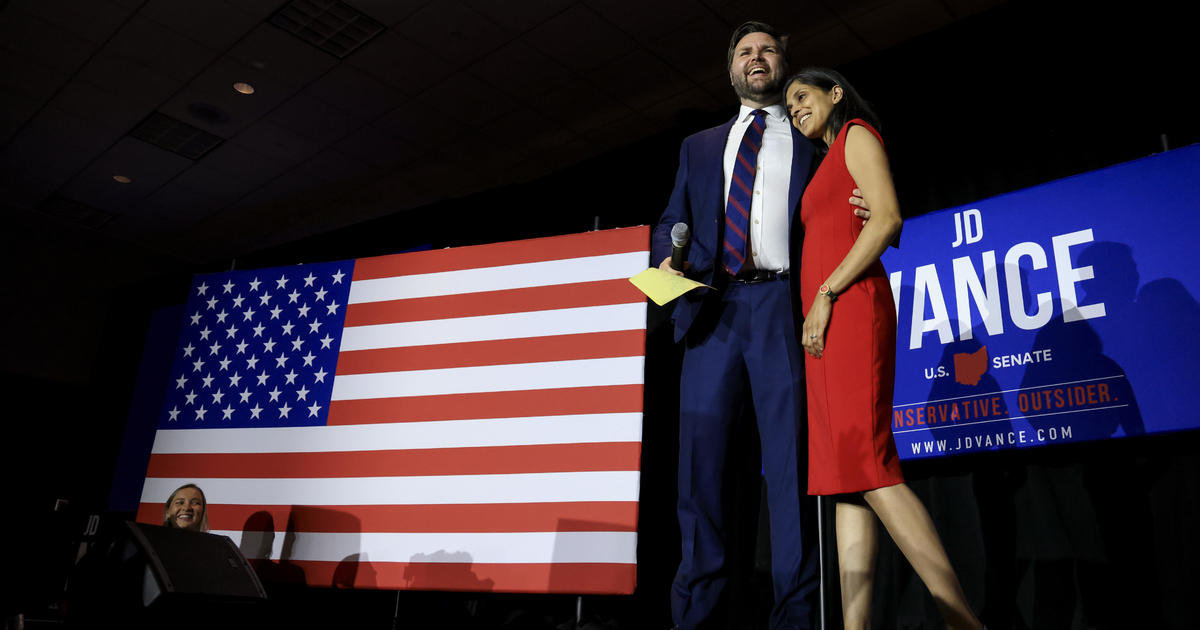
The CBS profile summarizes Usha Chilukuri Vance’s background and role in JD Vance’s life and career. Usha and JD Vance met as students at Yale Law School; she is the daughter of Indian immigrant professors, was born in San Diego, attended Yale as an undergraduate, and later clerked for Supreme Court Chief Justice John Roberts and for Judge Brett Kavanaugh. JD Vance credits her in his memoir Hillbilly Elegy with helping him navigate Yale culture, manage his temper, and provide substantive feedback on his book manuscript. They married in 2014, have three children, and lived in Washington, D.C., where Usha was a member of the D.C. Bar and worked as an attorney at Munger, Tolles & Olson until she left the firm after JD Vance’s vice presidential nomination. The article notes JD Vance’s upbringing in poverty and family instability and contrasts that with Usha’s stable family background; it also mentions the couple’s different religious backgrounds (he is Roman Catholic; she was raised Hindu). The piece frames Usha as a significant influence on Vance and notes she could become second lady if the ticket wins.
Biblical Reflection
This piece is a human-interest political profile that highlights a spouse’s formative influence on a candidate. Factually it reports verifiable biographical details (education, clerkships, employment, familial background, and claims from Vance’s memoir). Read with discernment: the article privileges JD Vance’s perspective and uses personal anecdotes to build a sympathetic portrait, which can humanize a candidate but does not substitute for analysis of policy or public record. There is a subtle framing risk of reducing Usha to her role in shaping her husband rather than portraying her as an independent legal professional; at the same time, her credentials are stated and merit respect. From a Christian pastoral perspective, the story invites gratitude for faithful companionship, respect for immigrant-rooted achievement, and caution against idolizing political figures. It also raises questions about privacy and the ways campaigns use family narratives to shape public perception. Christians should weigh such profiles with both charity (recognizing real human formation and sacrifice) and wisdom (prioritizing truth about public positions and justice-related consequences).
Scripture in context
This outlook does not yet include contextual Scripture citations. Do not treat a general biblical theme as an exegetical conclusion.
Faithful Response
No prescribed response is offered. Consider the reflection prompts below in your own church context.
Reflection and Discussion
- 1Does this profile present Usha primarily as an independent professional or mainly as the person who shaped JD Vance; what is left unsaid by that emphasis?
- 2How might humanizing family stories influence voters’ judgments compared with concrete policy and public actions?
- 3What does this couple’s interfaith and socio-economic contrast teach us about grace, humility, and how we listen to one another across difference?
Sources
Reporting links are evidence inputs; Sanctuary News' biblical reflection is commentary.
This outlook currently relies on fewer than two linked sources. Broaden verification before teaching from it.
- 1.Original reportprimary