News Summary
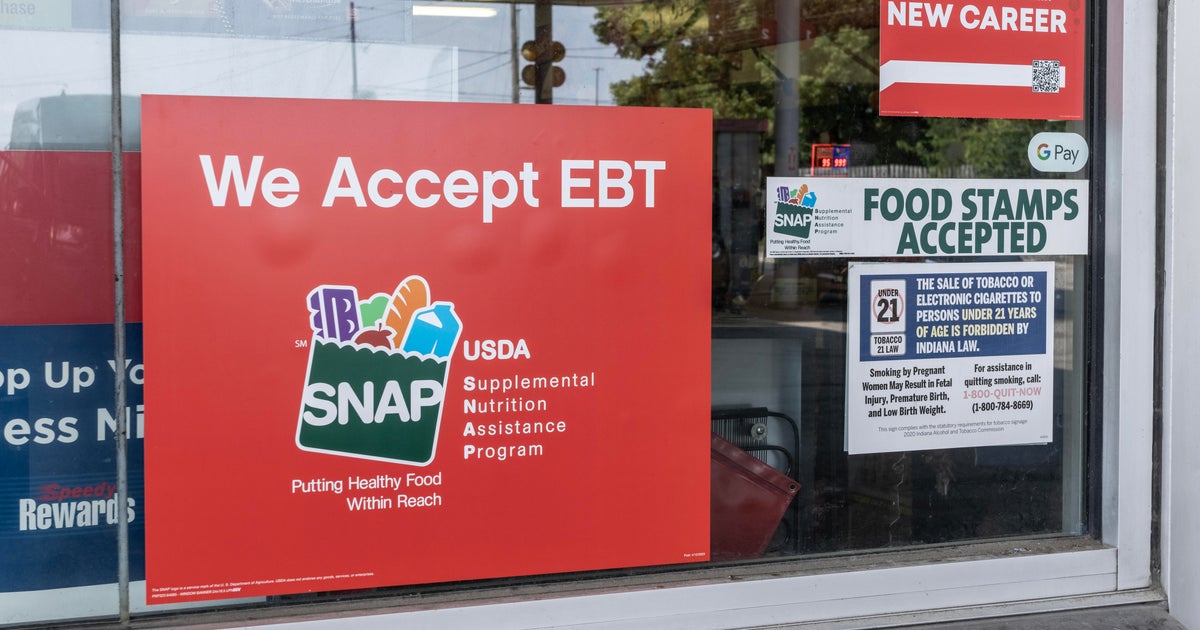
The USDA reported a SNAP payment error rate of 10.6% for fiscal year 2025, which the agency equates to more than $10 billion in improper payments out of $95.7 billion in benefits distributed that year. The payment error rate measures over‑ and under‑payments regardless of intent; experts and a GAO report say most errors are unintentional and stem from complex rules, reporting requirements, changing household circumstances, paperwork problems, or agency mistakes. Fraud — deliberate deception such as trafficking benefits or using stolen EBT information — is measured separately and historically accounted for roughly $1 billion a year, with some USDA findings flagged as potential (not confirmed) issues that could amount to additional billions. The Trump administration has used the error-rate figure to characterize SNAP as rife with fraud, while anti‑hunger groups and state agencies argue that conflating errors with fraud misleads the public and risks harming beneficiaries. Under the 2025 OBBBA law, states must keep SNAP error rates below 6% or face escalating cost‑sharing starting in October 2027; only 10 states met the 6% threshold based on the USDA data, and estimates suggest states could face about $9 billion in additional costs. SNAP enrollment has fallen by nearly 5 million people over the past year after OBBBA changes (including expanded work requirements). State officials warn the cost‑sharing penalties could force budget choices (raising taxes, cutting services, or reducing program participation), potentially leading some states to consider withdrawing from the program.
Biblical Reflection
The article surfaces a real administrative problem—significant payment errors—but shows how measurement and rhetoric matter. Labeling the program as 'rife with fraud' because of a payment‑error statistic conflates unintentional administrative mistakes with intentional criminality. That framing risks producing policies that prioritize headline reductions in a metric over the pastoral priority of feeding hungry neighbors. Christians should insist on truthful reporting: accountability and fraud prevention are important, but so is understanding root causes, investing in modernized systems, and protecting vulnerable people from inadvertent harm. The likely effect of strict cost‑sharing penalties is to shift financial burdens onto state budgets and potentially reduce access to food aid for millions; a worldview shaped by mercy and justice would press for solutions that pair improved program integrity with adequate resources and procedural fairness rather than punitive measures that fall hardest on those already struggling. Be alert to political incentives that amplify one metric to justify broader policy changes; seek careful, compassionate reforms that honor both stewardship of public funds and the dignity of the poor.
Scripture in context
This outlook does not yet include contextual Scripture citations. Do not treat a general biblical theme as an exegetical conclusion.
Faithful Response
No prescribed response is offered. Consider the reflection prompts below in your own church context.
Reflection and Discussion
- 1Does the public language used here distinguish clearly between unintentional payment errors and intentional fraud, and how does that choice shape policy options?
- 2Who will bear the costs if states are forced to share SNAP expenses—families, other public services, or taxpayers—and which of those outcomes best reflects care for neighbors?
- 3Are proposed fixes focused mainly on punishment and metrics, or do they include the administrative investment and procedural supports that reduce errors without harming beneficiaries?
Sources
Reporting links are evidence inputs; Sanctuary News' biblical reflection is commentary.
This outlook currently relies on fewer than two linked sources. Broaden verification before teaching from it.
- 1.Original reportprimary