News Summary
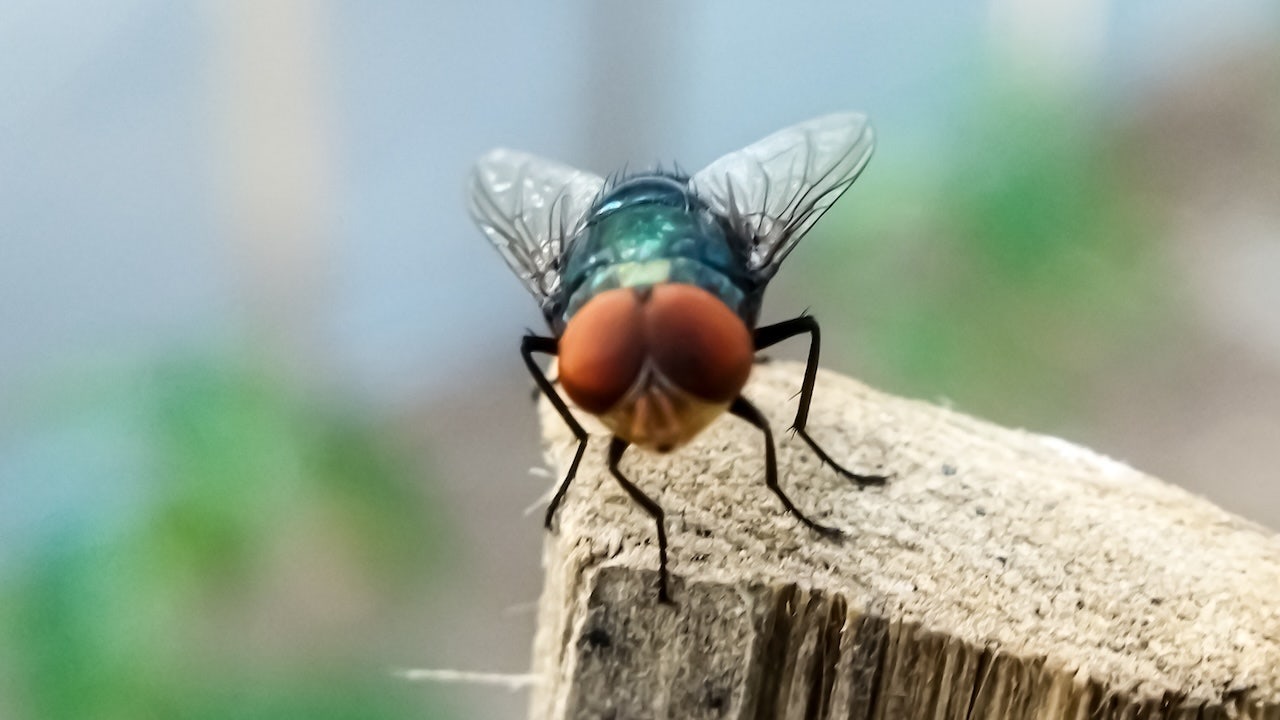
U.S. officials have confirmed multiple detections of New World screwworm infections in livestock in Texas and New Mexico after the parasite migrated north from outbreaks in Central America. Screwworms, a fly species whose larvae feed on live animal tissue, were eradicated in the U.S. in the 1960s but have reappeared; since early June the USDA reported 33 infections in cattle, goats and a pet dog. Public health and veterinary experts told reporters the parasite is an animal-health problem, not a foodborne pathogen: meat, milk and produce are not considered contaminated by screwworms, and standard slaughter inspection, processing and cooking kill larvae and prevent infected animals from entering the food supply. The USDA is responding with quarantine and treatment of infected animals and deploying the sterile insect technique (releasing sterile males) to reduce fly populations; it announced investments to expand sterile fly production facilities in Mexico and Texas. Health agencies say human infection is rare, recommend protective clothing and repellents, and advise seeking medical care for non-healing or larva-containing wounds.
Biblical Reflection
The article provides useful factual reassurance that screwworms directly threaten animal health and farm livelihoods more than consumer food safety. Its use of dramatic language ('flesh-eating') can trigger fear, but expert quotes and descriptions of inspection and eradication measures temper alarm. The coverage centers on technical responses (quarantine, insect-control programs, USDA investments), which is appropriate for public information; it underemphasizes the economic and emotional burdens on ranchers and rural communities and the longer-term questions about invasive species and climate-driven range shifts. From a Christian perspective, truth-telling matters: accurate, calm reporting helps prevent hysteria while prompting practical care for affected neighbors. The public and officials should pursue both compassion for farmers facing losses and wise stewardship of creation—supporting measures that protect animals, livelihoods, and ecosystems without trading in sensational fear.
Scripture in context
This outlook does not yet include contextual Scripture citations. Do not treat a general biblical theme as an exegetical conclusion.
Faithful Response
No prescribed response is offered. Consider the reflection prompts below in your own church context.
Reflection and Discussion
- 1How does dramatic wording (e.g., 'flesh-eating') shape public fear compared with the scientific facts presented?
- 2Whose needs—ranchers, consumers, public health agencies—are most affected by this outbreak, and how should limited resources be prioritized?
- 3What long-term factors (trade, border pathways, climate change, biosecurity) should Christians notice when evaluating responses to invasive animal pests?
Sources
Reporting links are evidence inputs; Sanctuary News' biblical reflection is commentary.
This outlook currently relies on fewer than two linked sources. Broaden verification before teaching from it.
- 1.Original reportprimary