News Summary
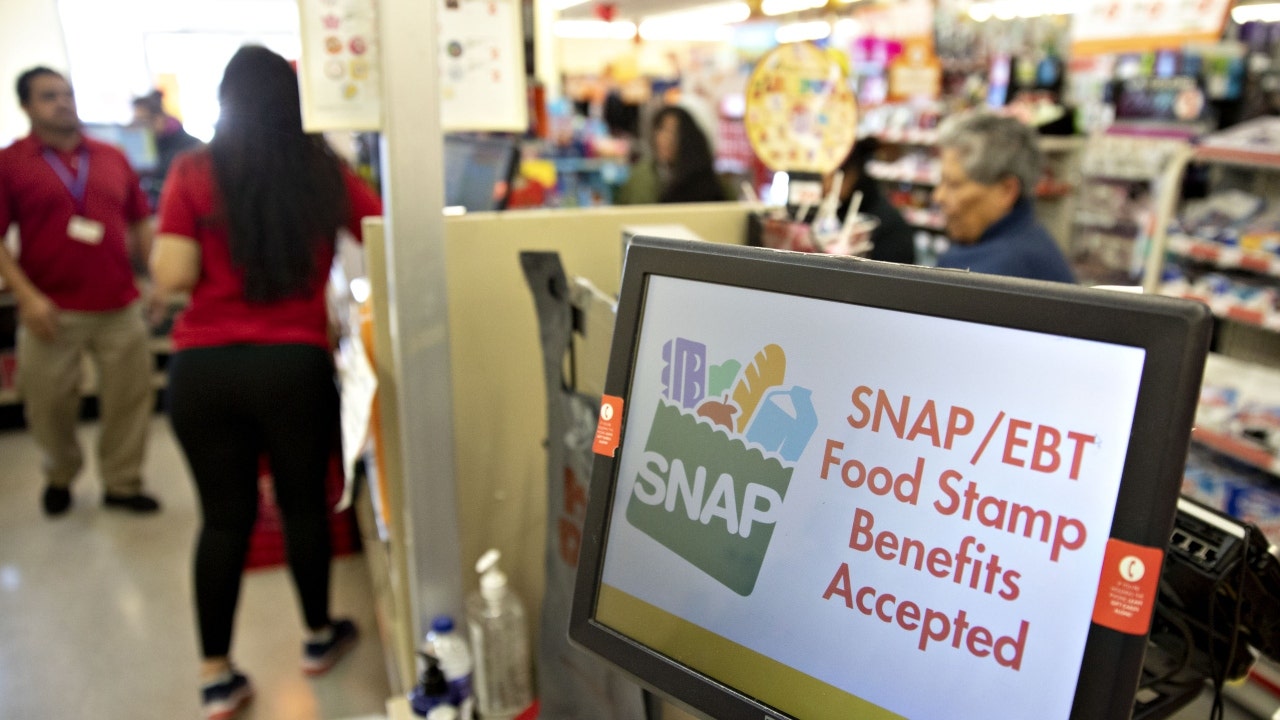
At a House Oversight subcommittee hearing, USDA Inspector General John Walk testified that fraud in the Supplemental Nutrition Assistance Program (SNAP) has allowed proceeds to reach individuals linked to terrorist groups, foreign adversaries and transnational criminal organizations. Walk described schemes including EBT card skimming, trafficking operations and identity fraud that drain benefits from legitimate recipients; he gave examples including a New York case of stolen benefits and a Southern California investigation alleging benefits exchanged for cash and crack cocaine with proceeds used to buy firearms. House Republicans argued that better state-federal data sharing could uncover billions in improper payments and cited USDA-identified potential fraud and waste of roughly $3 billion, plus instances of benefits sent to deceased individuals, fraudulent Social Security numbers and duplicate recipients. Republicans criticized 21 states for declining to provide requested SNAP data; Walk said limited access to state data hinders prevention. Democrats and a SNAP advocate warned against conflating administrative errors with intentional fraud and stressed protecting access for eligible, vulnerable households. The hearing aligns with the current administration and GOP efforts to tighten oversight across federal benefit programs.
Biblical Reflection
The article reports a watchdog's alarming testimony and legitimate concerns about criminal schemes that harm both national security and vulnerable people who rely on SNAP. The claims come from the USDA Inspector General and were presented in a highly partisan oversight setting, so readers should note both the factual basis of the testimony and the political context shaping how the issue is framed. Christian discernment calls for holding wrongdoing to account and stewarding public resources responsibly, while resisting narratives that stigmatize the poor or rush to policy changes that would reduce access for those in need. Truth-seeking requires asking for clear evidence of scale before endorsing sweeping solutions, insisting on due process for accused actors, and supporting reforms that increase transparency and prevention without punishing eligible recipients. The virtues of justice, mercy, and prudence point toward balanced reforms: protect beneficiaries, pursue criminals rigorously, and ensure oversight measures do not undermine the program’s purpose to feed the needy.
Scripture in context
This outlook does not yet include contextual Scripture citations. Do not treat a general biblical theme as an exegetical conclusion.
Faithful Response
No prescribed response is offered. Consider the reflection prompts below in your own church context.
Reflection and Discussion
- 1Are claims about terrorism links supported by documented evidence of scale, or are they being used to justify broader policy changes?
- 2How can policy responses prevent criminal abuse of benefits while preserving timely access for eligible, low-income families?
- 3Whose voices are centered in this conversation—the victims of fraud or those at risk of losing essential assistance—and what does that reveal about underlying priorities?
Sources
Reporting links are evidence inputs; Sanctuary News' biblical reflection is commentary.
This outlook currently relies on fewer than two linked sources. Broaden verification before teaching from it.
- 1.Original reportprimary