News Summary
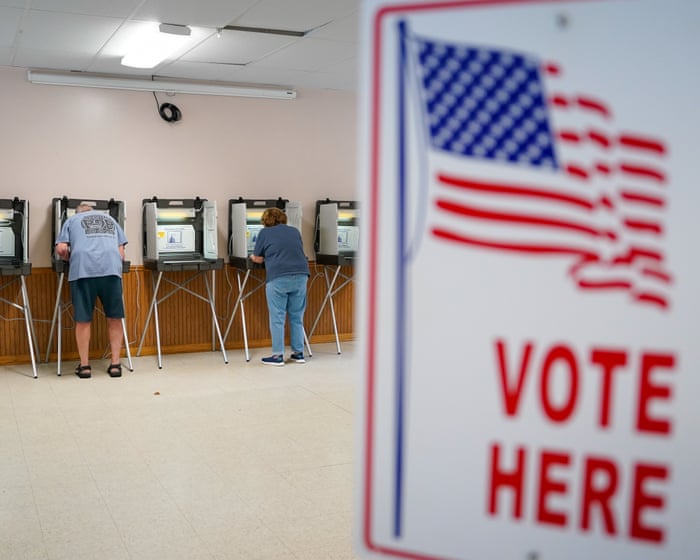
The Guardian reports that internal USCIS correspondence shows officers in the Fraud Detection and National Security Directorate (FDNS) were reassigned full-time to two "high-priority" initiatives: screening South African refugees and searching for alleged "unlawful" voters. The article says this reassignment prevents USCIS from providing FDNS officers to train asylum officers "in the near future." The claims are attributed to internal correspondence seen by The Guardian; the supplied reporting excerpt does not include an official USCIS response, independent corroboration, numbers, a timeframe, or detailed explanation of how "unlawful voters" or the South African refugee screenings are defined or implemented.
Source and Framing Analysis
Primary source: The Guardian (exclusive report based on internal USCIS correspondence). Strengths: article cites internal correspondence as the basis for the claims and names the affected USCIS unit (FDNS), which is a material operational detail. Limitations and uncertainties: the supplied excerpt lacks an official USCIS statement, documentary excerpts, quantification (how many officers or what percentage of the unit), timeframe or duration for the reassignment, legal or policy justification, and independent corroboration from other reporting or government documents. Framing: the piece presents the reassignment as a consequential operational shift and links it to the current administration, using loaded terms (e.g., "unlawful" voters) that reflect contested policy and legal definitions. Readers should treat the reported details as attributable claims requiring verification, and be alert to how selective sourcing and terminology can shape perceptions of motive and impact.
How sources covered this story
Sanctuary separately assesses reporting quality and alignment with Christian virtues. The virtues assessment considers truthfulness, dignity, compassion, justice, peacemaking, humility, and care for vulnerable people. It does not assess a publisher's faith or reward religious language.
Compare 1 reports
Reporting 75/100Virtues 70/100
- Distinctive contribution
- Names the specific FDNS unit (Fraud Detection and National Security Directorate), states officers were shifted full-time onto two specified initiatives (screening South African refugees; pursuing alleged “unlawful” voters), and reports an immediate operational impact (no officers available to train asylum officers “in the near future”), all attributed to internal correspondence seen by the paper.
- Framing
- Exclusive investigative framing that presents an internal-document-based allegation of a deliberate reallocation of anti-fraud immigration staff under the Trump administration to politically sensitive priorities; uses quoted language ("high-priority", "unlawful") that signals subjectivity or contested terminology.
- Omissions or uncertainty
- No date or timeframe for the reassignments; no numbers (how many officers, scale of the unit); no excerpted portions of the internal correspondence or description of its provenance; no direct quotes from USCIS, FDNS, the administration, or affected officers; no explanation why South African refugees were singled out or how "unlawful" voters are defined/identified; no evidence of outcomes or how long training shortfall will persist; limited context on usual FDNS duties to assess impact magnitude.
- Why these scores
- The excerpt responsibly attributes the claim to internal correspondence and avoids definitive assertions beyond that source, which is appropriate for leaked-document reporting. It names the specific unit and operational consequence, which are useful details. However, the excerpt lacks quantification, documentary excerpts, responses from agencies or subjects, and broader context that would strengthen verification and clarity. Given its apparent purpose (breaking an internal reassignment), the quality is solid but not fully comprehensive in the supplied text. The supplied text is not dehumanizing, uses measured attribution, and highlights potential consequences for vulnerable people (refugees, asylum processing), which aligns with concerns for dignity and justice. It does not include explicit compassion-focused sourcing (e.g., voices of affected migrants) nor evidence of corrective reporting or remedies, so it merits a positive but not exceptional score.
Biblical Reflection
As Christians we must hold truth, mercy, and justice together when engaging this report. Truth requires careful attention to what is actually reported (an attribution to internal correspondence) and restraint from drawing conclusions beyond the evidence. Mercy and the mandate to care for vulnerable neighbors call us to consider how administrative reassignments could affect refugees and asylum seekers who depend on fair, well-trained adjudication. Justice and peacemaking demand insistence on transparent procedures, respect for due process, and protections against indiscriminate or stigmatizing targeting of nationalities or groups. Humility and dignity suggest we seek further verified information before assigning motive, and we prioritize pastoral care for those directly affected by administrative changes.
Scripture in context
- 1Matthew 25:35-40 — In a teaching about final judgment, Jesus identifies care for strangers and the vulnerable—feeding the hungry, welcoming the stranger—as service to him, within a pastoral and eschatological narrative about compassion and responsibility. — This passage prompts Christians to evaluate immigration and asylum policies by asking how administrative decisions affect displaced and vulnerable people; reductions in training or oversight that impair fair treatment should be weighed against the call to welcome and protect strangers.
- 2Proverbs 31:8-9 — A wisdom text urging the defense of those who cannot speak for themselves and calling for justice for the poor and needy within societal structures. — Christians are called to speak up for those lacking power or voice; when agency actions reduce access to due process for migrants, faithfulness includes advocating for fair procedures and institutional accountability.
Faithful Response
Pray for those affected—refugees, asylum seekers, USCIS adjudicators, and public servants—asking for wisdom, protection, and justice.
Seek verified information: monitor USCIS statements, congressional oversight releases, or additional reporting to confirm scope, duration, and legal basis of the reassignment before drawing policy conclusions.
Support local organizations that provide legal aid and direct assistance to refugees and asylum seekers, so people have representation and practical help regardless of administrative shifts.
Provide pastoral care: offer counseling, information sessions, and referrals for congregants or neighbors who may be impacted by changes in immigration processing.
Engage civic processes calmly and constructively: contact elected representatives to request transparency, oversight, and safeguards that protect due process while addressing legitimate fraud concerns.
Reflection and Discussion
- 1Who are the most vulnerable people likely to be affected if FDNS capacity is shifted away from training asylum officers, and how can we respond pastorally and practically?
- 2What standards of evidence and oversight should guide agency decisions to target particular nationalities or categories for screening?
- 3How do we balance legitimate efforts to prevent fraud and protect election integrity with the imperative to avoid scapegoating and to preserve fair procedures for asylum seekers?
- 4What additional information would materially change our assessment of the reassignment’s significance (e.g., number of officers, duration, legal authority, measurable impacts on asylum outcomes)?
Sources
Reporting links are evidence inputs; Sanctuary News' biblical reflection is commentary.
This outlook currently relies on fewer than two linked sources. Broaden verification before teaching from it.
- 1.US immigration officers reassigned to screen South African refugees and find ‘unlawful’ votersprimary_reporting