News Summary
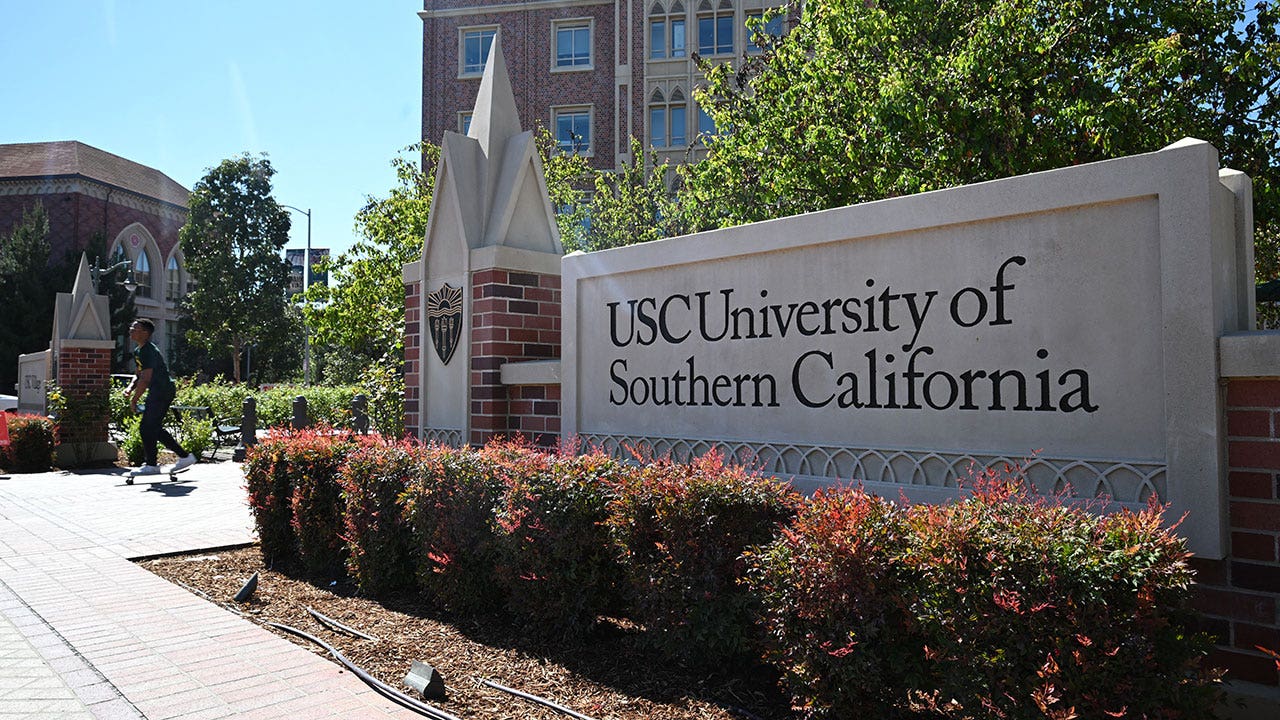
The University of Southern California (USC) will run an experimental "inclusive workout space" in the Robinson Room at the Lyon Center on Mondays and Wednesdays from 10 to 11 a.m. The program, organized by the Student Assembly for Gender Empowerment (SAGE), is intended to create a gym environment where women and non-binary students feel more comfortable exercising. Organizers cited reports of discomfort experienced by women and non-binary students in men‑dominated gym spaces as motivation. USC Student Life said the program is sponsored by the undergraduate student government and, consistent with university policy, must remain open to all students. The trial is framed as a way to test demand; university and federal constraints on DEI programming influenced how the space is described and will be operated.
Biblical Reflection
From a Christian perspective, the initiative reflects a pastoral concern for the vulnerable—students who feel unsafe or uncomfortable—and seeks to provide a place of dignity and rest. Scripture calls us to protect and love our neighbors (Matthew 22:39), and creating environments where people can participate without fear is a legitimate outworking of that care. At the same time, Christians should notice two tensions in the public reporting and in the initiative itself: (1) the tension between creating safe, targeted spaces for groups that feel marginalized and maintaining equal access and fairness for all; and (2) the tendency for media framing to simplify nuanced university policy into sensational claims of exclusion. The article at times frames the space as "excluding men," while the university statement emphasizes that it must remain open to all, which is an important legal and practical distinction. Christians are called to truthfulness and charitable discernment (Ephesians 4:15). That means acknowledging the genuine needs driving the program—people who have felt harassed, objectified, or invisible—while also asking whether creating separate spaces deepens social fragmentation or helps restore individuals so they can engage in communal life. Pray for solutions that uphold dignity, encourage accountability for inappropriate behavior, and foster reconciliation rather than alienation. Be wary of quick judgments based only on headlines; seek primary sources and listen to the experiences of those affected.
Scripture in context
This outlook does not yet include contextual Scripture citations. Do not treat a general biblical theme as an exegetical conclusion.
Faithful Response
No prescribed response is offered. Consider the reflection prompts below in your own church context.
Reflection and Discussion
- 1Does the program primarily seek to protect and restore access for those harmed, or does it risk segregating groups in ways that reduce mutual understanding?
- 2How does the headline and framing of this story simplify the campus policy nuance (open to all vs. signaled space), and what does that teach about checking original sources?
- 3What Christian priorities (dignity, justice, hospitality, truth) should guide how we evaluate campus solutions to safety and comfort concerns?
Sources
Reporting links are evidence inputs; Sanctuary News' biblical reflection is commentary.
This outlook currently relies on fewer than two linked sources. Broaden verification before teaching from it.
- 1.Original reportprimary