News Summary
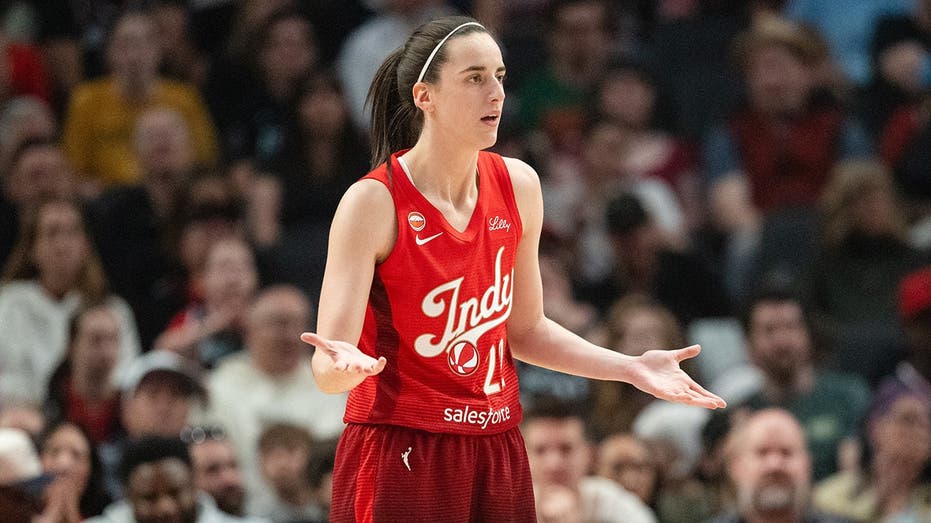
Reported facts: Fox News reported that USA Today columnist Nancy Armour wrote a column arguing that Caitlin Clark’s flopping and public reactions to WNBA officials put Black and queer WNBA players 'in danger.' Attributed claims: The idea that Clark’s actions cause or materially increase danger to specific groups is presented as Armour’s claim. Uncertainty: The supplied reporting does not include the full USA Today column text, evidence of threats tied to Clark’s conduct, statements from affected players, or independent verification of incidents that would establish causation.
Source and Framing Analysis
The story is a secondary report of an opinion column. That framing matters because an opinion piece reflects the columnist’s interpretation and judgment rather than established, independently verified facts. The supplied coverage summarizes Armour’s allegation but offers no primary evidence, quotations from the USA Today column, or responses from those named. Material uncertainty remains about whether documented threats or harm exist and whether any such incidents are causally linked to Clark’s behavior or to officiating disputes.
Biblical Reflection
This coverage sits at the intersection of media critique, sports culture, and identity-based vulnerability. Christians should care about the safety of people who are marginalized — including Black and queer athletes — and should take seriously credible claims that public rhetoric or actions are increasing risk. At the same time, the impulse to protect must be balanced by a commitment to truth and due diligence: opinion and moral interpretation are not the same as demonstrated cause-and-effect.
In practice that means Christians should neither reflexively dismiss concerns raised about potential harm nor amplify accusations without seeking corroboration. We should urge careful investigation, support institutional safeguards that protect vulnerable players, and model discourse that names wrongs while avoiding unnecessary escalation. Where public figures provoke strong reactions, the Christian posture is to pray for peace, pursue evidence-based advocacy for safety, and speak with humility and charity toward all involved.
Finally, remember that media narratives often compress complex social dynamics into sharp claims. Discernment requires listening to those directly affected, assessing the evidence, and advocating for mercy and justice rather than partisan point-scoring.
Scripture in context
- 1Matthew 5:9 — Part of the Beatitudes in the Sermon on the Mount, addressing the character God blesses and the people Jesus calls to embody God’s kingdom ethics. 'Peacemakers' are described positively in a section that contrasts worldly values with the attitudes of God’s people. — The passage invites Christians to seek reconciliation and the safety of neighbors. Applied here, it counsels pursuing peace and protection for vulnerable players while resisting rhetoric that escalates conflict without grounding in verified facts.
Faithful Response
Pray for those named and for all WNBA players, officials, and commentators — ask for safety, wisdom, and restraint.
Seek primary sources before forming firm judgments: read the original USA Today column, statements from players or the WNBA, and any documented reports of threats or incidents.
Listen to voices from the affected communities (Black and LGBTQ+ players) and amplify their expressed needs and perspectives rather than substituting commentary.
Advocate for nonviolent, evidence-based measures to protect players (league safety protocols, clear reporting channels, and measured public statements).
Model speech that names wrongdoing without scapegoating individuals when causal links are unproven.
Reflection and Discussion
- 1Whose voices are absent from this coverage, and how would hearing them change your understanding?
- 2Are we prioritizing being right or protecting the vulnerable in our reactions to media commentary?
- 3How does Scripture shape the way we both confront potential injustice and avoid inflaming further harm?
Sources
Reporting links are evidence inputs; Sanctuary News' biblical reflection is commentary.
This outlook currently relies on fewer than two linked sources. Broaden verification before teaching from it.
- 1.USA Today writer says Caitlin Clark puts Black and queer WNBA players 'in danger' by floppingprimary_reporting