News Summary
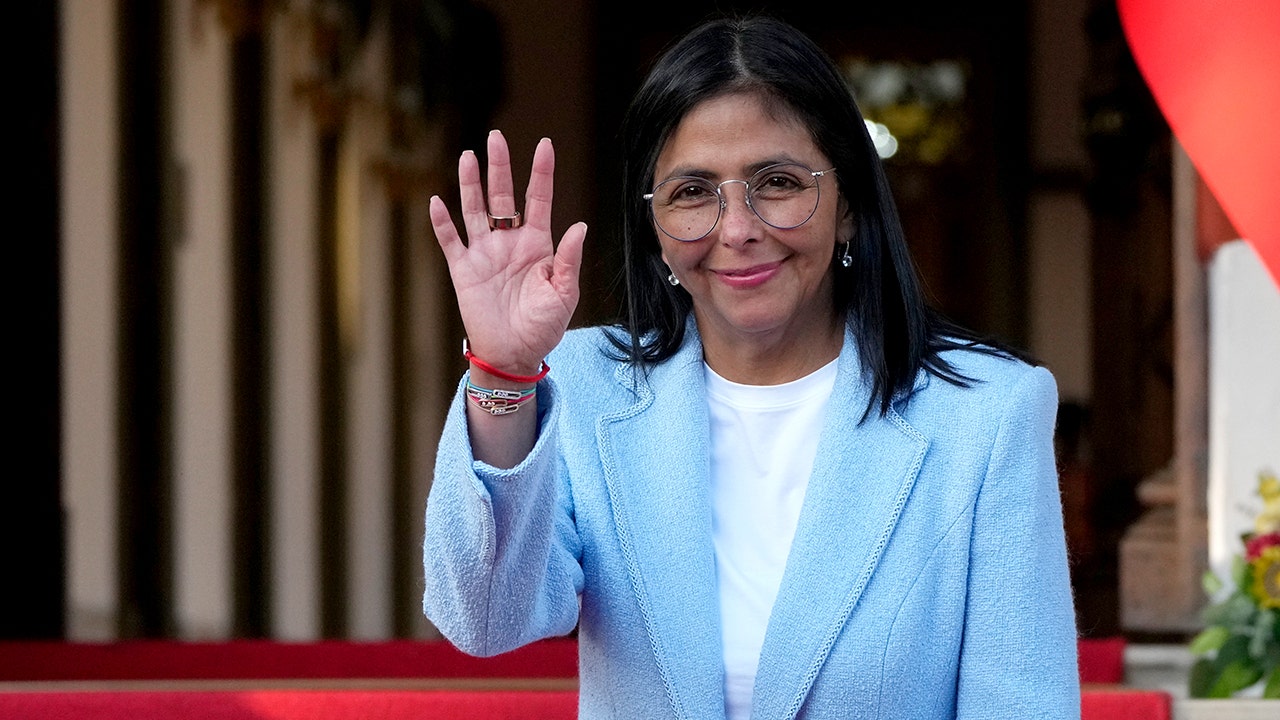
The United States and Venezuela’s interim authorities have agreed to restore diplomatic and consular relations, marking a significant change in their previous strained relationship. The U.S. State Department described the agreement as a step toward promoting stability, supporting economic recovery, and advancing political reconciliation in Venezuela, with the ultimate goal of a peaceful transition to a democratically elected government. The announcement follows a visit by U.S. Interior Secretary Doug Burgum to Caracas, where energy and mining opportunities were discussed. The restoration of ties comes after the U.S. captured former Venezuelan President Nicolás Maduro on charges including narco-terrorism and cocaine importation. The announcement did not specify details regarding embassy operations, sanctions, or migration policy. The U.S. reiterated its commitment to helping the Venezuelan people and fostering regional stability.
Biblical Reflection
From a biblical perspective, the restoration of diplomatic relations can be seen as a step toward peace and reconciliation, virtues highly esteemed in scripture. The pursuit of dialogue over conflict aligns with the call to 'seek peace and pursue it' (Psalm 34:14). However, Christians are urged to weigh political actions against the standards of justice, truth, and genuine care for the oppressed. While efforts for economic recovery and democratic transition are commendable, they must not overshadow the need for integrity and the protection of human dignity—especially in a nation recovering from significant hardship and injustice. Believers are called to pray for leaders and nations, advocating for decisions that reflect mercy, justice, and humility (Micah 6:8). This news invites Christians to support peacemaking while remaining vigilant that such diplomatic moves are grounded in righteousness and not merely in economic or political gain.
Scripture in context
This outlook does not yet include contextual Scripture citations. Do not treat a general biblical theme as an exegetical conclusion.
Faithful Response
No prescribed response is offered. Consider the reflection prompts below in your own church context.
Reflection and Discussion
- 1How can I pray for justice, mercy, and truth to guide the leaders involved in these renewed diplomatic efforts?
- 2In what ways can I advocate for peace and reconciliation in my own relationships and community?
- 3Am I discerning about the motivations behind political decisions, seeking to align my perspective with biblical values?
Sources
Reporting links are evidence inputs; Sanctuary News' biblical reflection is commentary.
This outlook currently relies on fewer than two linked sources. Broaden verification before teaching from it.
- 1.Original reportprimary