News Summary
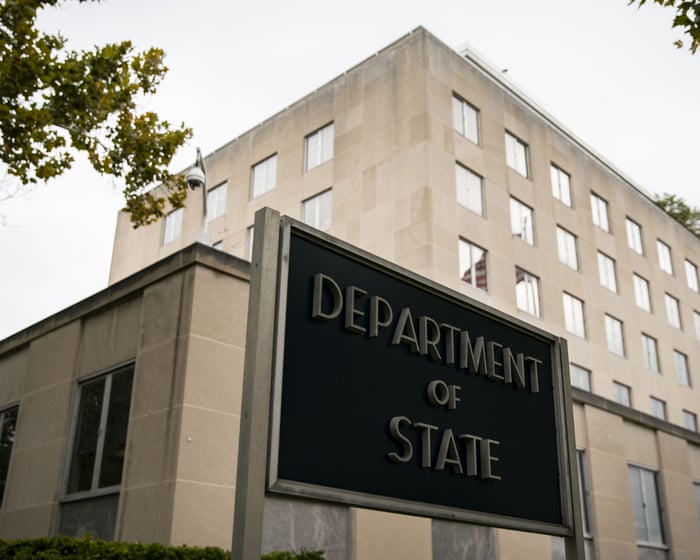
The Guardian reports that the U.S. State Department has paused immigrant visa applications at U.S. embassies and consulates. The article attributes the pause to a State Department official and says the initiative was launched at posts in early August. Visa appointment schedules were adjusted to allow for "in‑depth training." The State Department told the outlet it has been developing updated guidance and training since earlier in the year so consular officers can evaluate applicants "comprehensively and consistently." The Guardian frames the action as part of President Trump’s broader effort to tighten restrictions on lawful and undocumented immigration. The report does not cite a public State Department notice or named spokesperson, and key operational details (duration, exact scope, legal basis, numbers affected, and the content of the new guidance) remain unspecified.
Source and Framing Analysis
Primary source in this cluster: a single Guardian article that relies on an attributed State Department official (anonymous in the excerpt provided). The reporting supplies consequential operational claims (a pause applied at embassies and consulates; adjusted appointment schedules for in‑depth training) but does not include a public document, a named spokesperson, numerical estimates, or cross‑corroborating sources. The article adds interpretive framing by placing the pause within a broader narrative of a presidential "crackdown" on immigration; that characterization goes beyond the direct attribution and is interpretive rather than documentary. Material uncertainties that affect the factual picture include: how long the pause will last; which immigrant‑visa categories or specific posts (if any) are excluded; whether there is formal regulatory or legal authorization or a written State Department directive; what the updated guidance contains; and how many applicants are affected. Those uncertainties mean the core operational claims should be treated as reported and attributed but incompletely documented.
How sources covered this story
Sanctuary separately assesses reporting quality and alignment with Christian virtues. The virtues assessment considers truthfulness, dignity, compassion, justice, peacemaking, humility, and care for vulnerable people. It does not assess a publisher's faith or reward religious language.
Compare 1 reports
Reporting 72/100Virtues 75/100
- Distinctive contribution
- States that all US immigrant visa applications have been paused, that the initiative was launched at all embassies and consulates in early August, and that visa appointments were adjusted to accommodate “in‑depth training”; it also frames the move as intended to limit access to applicants who might rely on US assistance.
- Framing
- Frames the action as part of the Trump administration’s broader crackdown on lawful and undocumented immigration, presenting the pause as a deliberate move to tighten access and limit applicants deemed likely to require US assistance; relies on an attributed state department official for confirmation.
- Omissions or uncertainty
- No named or on‑the‑record State Department spokesperson or official document is cited; duration of the pause, which specific immigrant visa categories are affected, geographic exceptions (if any), legal justification, implementation details, and reactions from affected applicants or advocates are not provided in the excerpt.
- Why these scores
- The excerpt conveys a clear, consequential claim and attributes it to a State Department official, which is appropriate sourcing for breaking policy news. However, it relies on an anonymous official, provides limited specifics (duration, categories, documents), and lacks corroborating documents or responses; those limitations keep it from a higher score. The wording is factual and non‑sensational, does not dehumanize affected people, and attributes the claim. The excerpt lacks explicit attention to the human impact on vulnerable applicants or voices from affected communities, which limits a higher score for compassion and care for the vulnerable.
Biblical Reflection
A Christian pastoral perspective must hold together concern for lawful public order and an active compassion for people made vulnerable by administrative changes. Scripture traditions urging just and hospitable treatment of strangers (e.g., Levitical commands to treat foreigners with dignity) and the call to concrete mercy (e.g., the criteria of care in Matthew 25) press the church to weigh both procedural justice and human impact. Practically, Christians should seek accurate information and transparency from authorities, advocate for fair procedures that minimize harm, offer concrete help to those facing delay or hardship, and resist dehumanizing rhetoric. This outlook calls for truth‑seeking, mercy, peacemaking, humility before complex policy questions, and active care for neighbors whose lives are disrupted.
Scripture in context
- 1Matthew 25:31–46 (Sheep and the Goats) — Jesus’s teaching about final judgment emphasizes concrete acts of mercy toward the hungry, the stranger, the sick, and the imprisoned as central to the community’s identity and moral account. — This passage challenges Christians to consider human consequences of policies: administrative pauses that delay family reunification or essential care raise moral questions about compassion and practical service. It invites the church to prioritize concrete help and to judge policies in light of their effects on vulnerable people.
- 2Leviticus 19:33–34 — Covenantal commands to treat foreigners living among the people with dignity, reminding the community of its own history as strangers. — The text calls the community to remember past vulnerability and to treat non‑citizens fairly. In contemporary terms it invites scrutiny of whether policies and administrative practices reflect hospitality, protection, and equal justice under law.
Faithful Response
Pray for individuals and families whose immigration plans and security are disrupted by the pause, and for clarity, fairness, and compassion from public officials administering the change.
Seek reliable, primary information before circulating or acting on partial reports; request public documentation or named spokesperson comment from the State Department and monitor other reputable outlets for corroboration.
Mobilize practical church responses: prepare legal referral lists, expand or establish benevolence funds for urgent needs caused by delays, and partner with local immigrant‑serving organizations to offer coordinated assistance and accurate information to affected neighbors.
Reflection and Discussion
- 1Do I prioritize political framing or the lived experiences of people affected when I first hear this report?
- 2How should Christians balance legitimate governmental responsibilities (security, fiscal stewardship, rule of law) with the biblical call to mercy toward strangers?
- 3What additional information would I need to judge whether this administrative pause is a prudent exercise of public authority or an unjust burden on vulnerable people?
- 4How can my congregation tangibly support neighbors harmed by administrative delays while holding public officials accountable for transparency and fairness?
Sources
Reporting links are evidence inputs; Sanctuary News' biblical reflection is commentary.
This outlook currently relies on fewer than two linked sources. Broaden verification before teaching from it.
- 1.US halts all immigrant visa applications amid tightening restrictionsprimary_reporting