News Summary
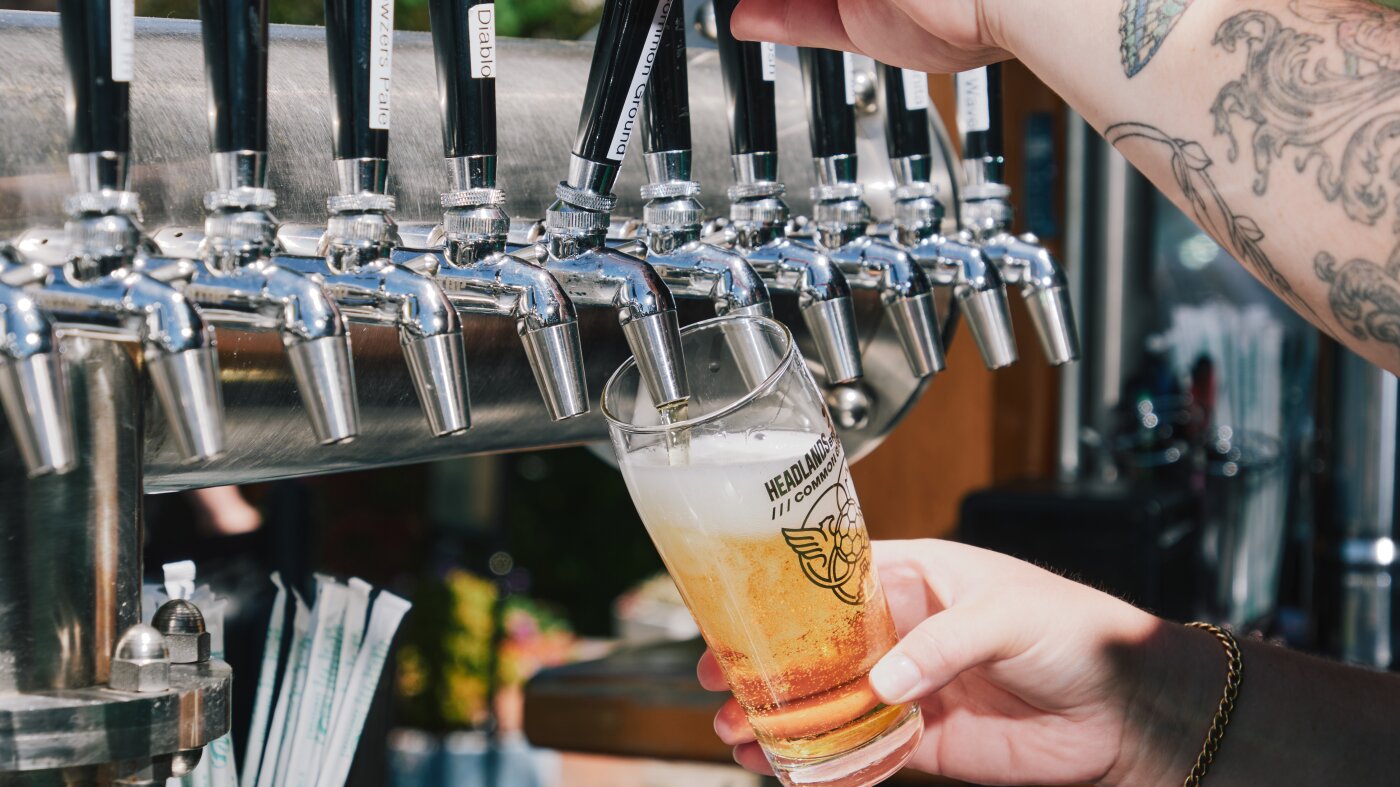
Three independent craft breweries—Rey Árbol Brewing Company (Mexico), Headlands Brewing (United States), and Cabin Brewing Company (Canada)—collaborated to produce a single recipe beer called "Common Ground" timed with the 2026 World Cup. The beer is a dry-hopped Mexican lager made to the same recipe by each brewery but sold with distinct local labels; Headlands sold a U.S. four-pack for $15.99 and produced roughly 130 cases for the limited run. The breweries describe the project as aimed at connection and solidarity across borders. The article notes commercial pressures on small brewers—rising costs for aluminum and ingredients and, as one brewer said, a 15% tariff on European-grown hops—set against broader political tensions among the three host nations over trade and manufacturing standards. The piece quotes a range of voices: the brewers, a sports-and-geopolitics scholar on the shifting political climate since the 2017 joint World Cup bid, a fan who prioritized enjoying soccer over politics, and a comment by President Trump when signing an executive order to establish a World Cup task force suggesting that cross-border rivalry could make the tournament more exciting.
Biblical Reflection
This story highlights a small, tangible example of neighborliness: artisans from three nations choosing cooperation in a cultural moment. That camaraderie models Christian virtues—hospitality, humility, and bridge-building—by valuing personal relationship over nationalist posture. At the same time, the article responsibly contrasts grassroots goodwill with structural realities: trade barriers, rising input costs, and political rhetoric that can inflame rather than heal. The reporting feels balanced: it celebrates the symbolic power of shared table (or pint) while not glossing over economic and diplomatic friction. Christians should rejoice in ordinary acts of reconciliation and mutual enjoyment, but also hold a clear-eyed view that symbolic unity does not replace the need for just policies, fair commerce, and practical care for workers and small businesses affected by tariffs and market pressures.
Scripture in context
This outlook does not yet include contextual Scripture citations. Do not treat a general biblical theme as an exegetical conclusion.
Faithful Response
No prescribed response is offered. Consider the reflection prompts below in your own church context.
Reflection and Discussion
- 1Does celebrating cross-border cultural cooperation risk letting structural injustices (like unfair tariffs or trade harms) go unaddressed, and how should Christians hold both together?
- 2When a small act of solidarity receives attention, are we tempted to treat it as a full solution rather than a starting point for deeper reconciliation and economic justice?
Sources
Reporting links are evidence inputs; Sanctuary News' biblical reflection is commentary.
This outlook currently relies on fewer than two linked sources. Broaden verification before teaching from it.
- 1.Original reportprimary