News Summary
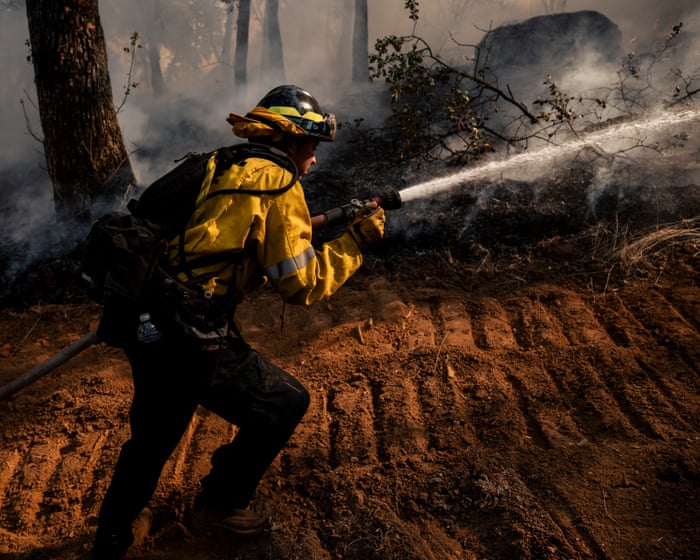
The Guardian reports that nine current US Forest Service (USFS) firefighters, speaking anonymously because they say they are barred from disclosure, told the paper the agency experienced a critical staffing shortage during a brutal summer wildfire season. These frontline sources said thousands of fires erupted, some key USFS leadership roles went unfilled, and crews were stretched to their limits. The article contrasts that testimony with agency statements that the workforce is "stronger than ever," but the supplied excerpt does not include independent staffing figures, vacancy counts, or on-the-record responses from named USFS officials.
Source and Framing Analysis
Source attribution and framing: The story rests chiefly on anonymous, frontline testimony (nine firefighters) reported by The Guardian; the piece frames a tension between that testimony and official USFS claims about workforce strength. Strengths: gives voice to potentially vulnerable employees and highlights public-safety stakes; responsibly notes the contrast with officials' assertions. Limitations and uncertainties: anonymity protects sources but reduces independent verifiability and makes representativeness unclear; the supplied excerpt omits quantitative staffing data (vacancy numbers, geographic or temporal scope), the methodology for selecting sources, and on-the-record responses from named USFS leaders. These gaps mean conclusions about nationwide staffing levels and operational readiness require corroboration from payroll/roster data, vacancy reports, congressional oversight records, or on-the-record agency statements. Framing implications: portraying frontline alarm alongside institutional reassurance invites scrutiny and calls for transparent data; readers should weigh the credible risk signaled by workers while demanding documentary evidence and accountable leadership.
How sources covered this story
Sanctuary separately assesses reporting quality and alignment with Christian virtues. The virtues assessment considers truthfulness, dignity, compassion, justice, peacemaking, humility, and care for vulnerable people. It does not assess a publisher's faith or reward religious language.
Compare 1 reports
Reporting 75/100Virtues 76/100
- Distinctive contribution
- States that key leadership roles at the USFS were going unfilled and that nine firefighters (speaking anonymously) say the agency failed to keep pace despite officials' claims the workforce was stronger, providing a frontline worker perspective that challenges official messaging.
- Framing
- Alarmed, worker-centered and critical of official assertions; frames the story as frontline personnel pushed to near-breaking point and institutional shortfalls during a brutal wildfire season.
- Omissions or uncertainty
- No quantitative data on staffing shortfalls (numbers, locations, timeframes); no named on-the-record sources from the USFS or other officials; reliance on anonymous sources raises questions about representativeness and verifiability; no description of methodology for selecting the nine firefighters or corroborating evidence; no detail about the types of leadership roles unfilled.
- Why these scores
- The excerpt responsibly attributes claims to frontline sources and notes the contrast with officials' statements, which is good practice. However, it lacks concrete data, named on-the-record sourcing or specifics (how many vacancies, where, time period), and provides limited context or documentary evidence in the supplied text. For a concise news brief this is solid but incomplete. The excerpt centers worker safety and public protection, giving voice to potentially vulnerable employees while highlighting systemic risks—actions consistent with care, compassion, and concern for the common good. It preserves source anonymity (humility/protection) and avoids dehumanizing language. Points are deducted slightly for limited corroborating detail and the inherently uncertain nature of anonymous sourcing.
Biblical Reflection
The tension between anonymous frontline alarm and official reassurance raises moral and civic questions Christians should face with both integrity and compassion. Truth-seeking matters: if responders lack needed personnel, public safety and care for vulnerable neighbors are at stake. Mercy and humility matter: resist reflexive cynicism toward institutions while pressing for transparency and repair. Practically, faithfulness here looks like advocating for clear, verifiable information about staffing and resource needs; supporting firefighters and affected communities through prayer, material aid, and hospitality; and urging policymakers to align stewardship of public resources with protection of human life and creation. Christians should hold together insistence on truth, respect for those who serve, and concrete neighbor-care in response to the risks described.
Scripture in context
- 1Luke 10:25-37 (Good Samaritan) — In Luke, Jesus answers a question about 'neighbor' with a story in which a Samaritan gives concrete aid to a wounded traveler while religious leaders pass by; the narrative emphasizes active, practical mercy across social boundaries. — The passage calls Christians to practical care for neighbors in danger. Applying it here means supporting the safety of communities and the responders who protect them—through advocacy for adequate resources, material assistance to evacuees, and direct acts of compassion.
Faithful Response
Pray for firefighters, unfilled leadership within emergency agencies, and families affected by fires; seek wisdom for leaders and protection for those serving in harm's way.
Support local responders and evacuees practically: donate to vetted relief funds, offer congregational facilities or volunteers for sheltering and logistics, and coordinate with recognized emergency-management agencies.
Advocate for transparency and accountability: request public staffing data (roster counts, vacancy figures, regional breakdowns) from USFS and elected representatives; encourage independent audits or oversight where needed.
Build community resilience: help neighbors prepare evacuation plans, host preparedness training, and include disaster-response readiness in congregational ministry.
Maintain charity in public discourse: press for needed reforms while avoiding dehumanizing rhetoric about public servants and leaders.
Reflection and Discussion
- 1How should we weigh anonymous frontline testimony against institutional assurances when lives and public safety are implicated?
- 2What concrete steps can our congregation take to support firefighters and people displaced or harmed by wildfires?
- 3How do truth-telling, humility, and mercy shape our civic engagement as we press for transparent resourcing of emergency services?
- 4Are there local or regional gaps in emergency response capacity we should learn about and address through partnerships or advocacy?
Sources
Reporting links are evidence inputs; Sanctuary News' biblical reflection is commentary.
This outlook currently relies on fewer than two linked sources. Broaden verification before teaching from it.
- 1.Firefighters sound alarm as US faces critical staffing shortage: ‘We don’t have enough people’primary_reporting