News Summary
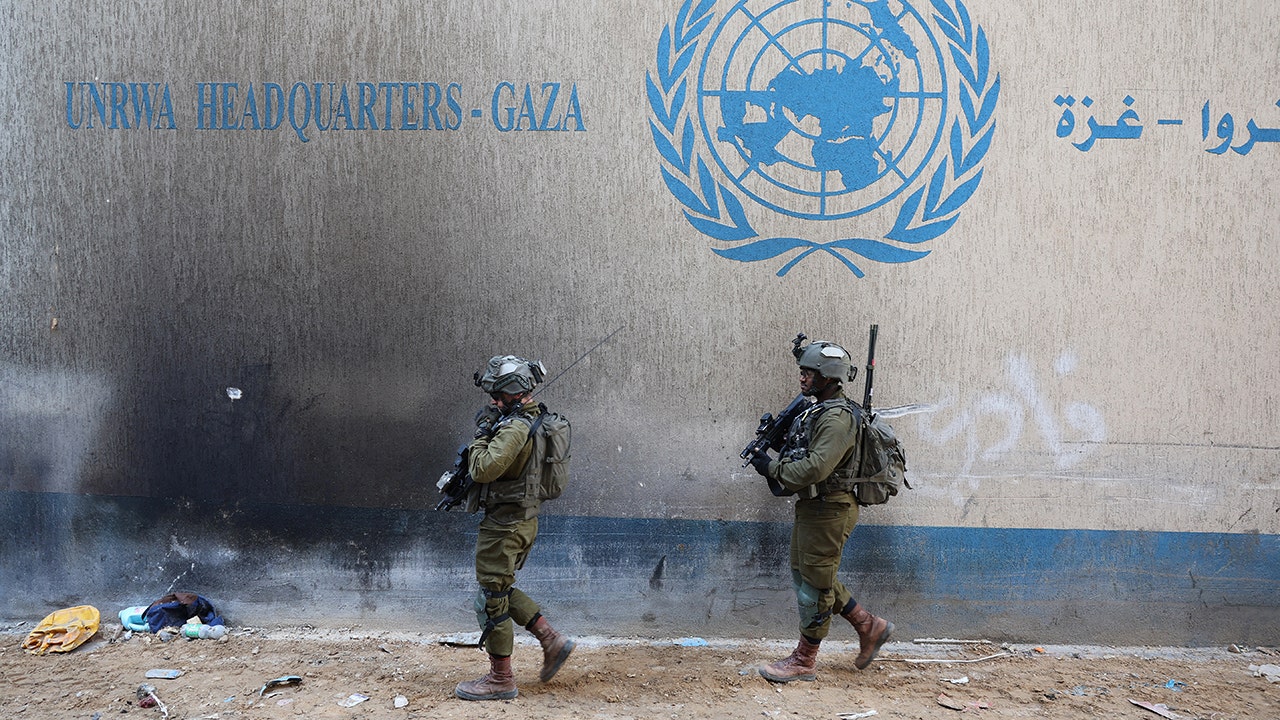
The United Nations Relief and Works Agency for Palestine Refugees in the Near East (UNRWA) terminated the employment of 70 staff members in the Gaza Strip, saying the move was taken immediately to mitigate safety and security risks and was not an admission of guilt. UNRWA said it has repeatedly asked Israeli authorities for evidence substantiating allegations against individual staff but had received no response. The firings follow a USAID investigation that referred more than 100 UNRWA employees for suspension or dismissal, reporting that some employees were allegedly involved in Hamas civil or military roles, including specific allegations about school principals and teachers. Israeli authorities and the IDF have long accused UNRWA of ties to Hamas, citing intelligence the IDF says shows a portion of UNRWA’s Gaza workforce are members of Hamas. UNRWA denies being an active collaborator, arguing operational constraints force interaction with local authorities and armed groups to deliver aid. The agency’s internal oversight office previously investigated 19 employees linked to Oct. 7 attacks, terminating 12; other cases remain under review. U.S. political figures and previous administrations have publicly criticized UNRWA and considered sanctions or other measures.
Biblical Reflection
This story sits at the intersection of humanitarian care and national security — a place where moral clarity and prudent restraint are both required. The allegations, if true, are grave because they would mean aid structures meant to protect civilians were compromised; accountability is necessary to preserve trust and protect lives. At the same time, large institutions operating in active conflict zones often face impossible choices and limited investigative access. The reporting and official statements here show competing narratives: security-focused actors presenting intelligence claims and a humanitarian agency stressing the need to keep aid flowing and the presumption of non-guilt without verified evidence. Christians should weigh both the demand for truth and the call to protect the vulnerable. Be wary of rhetorical shortcuts that turn complex institutional failures into simple moral labels without transparent evidence. Advocate for independent, verifiable investigations that protect civilians, hold perpetrators to account, and preserve humanitarian access. Resist using allegations as a justification for broad punitive measures that further harm refugees dependent on aid.
Scripture in context
This outlook does not yet include contextual Scripture citations. Do not treat a general biblical theme as an exegetical conclusion.
Faithful Response
No prescribed response is offered. Consider the reflection prompts below in your own church context.
Reflection and Discussion
- 1What independent evidence is available to distinguish individual wrongdoing from structural failures, and who can be trusted to investigate impartially?
- 2How might political pressures (from states, donors, or media) shape public claims about humanitarian agencies and influence outcomes for civilians?
- 3If aid structures are suspected of compromise, what measures both secure accountability and maintain essential services for those most at risk?
Sources
Reporting links are evidence inputs; Sanctuary News' biblical reflection is commentary.
This outlook currently relies on fewer than two linked sources. Broaden verification before teaching from it.
- 1.Original reportprimary