News Summary
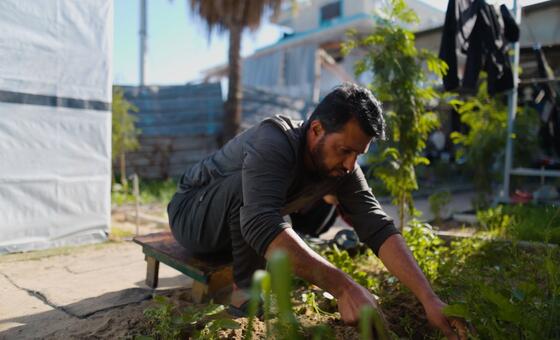
UN News reports that UNICEF released a new study about children in Gaza. The report describes children living in tent cities on the rubble of destroyed homes. It attributes two contrasting findings to the UNICEF study: by one measure children are now 'getting enough to eat' (a reduction in acute hunger), while by another measure many children 'may never fully recover' (indicating longer-term health, developmental, or psychosocial impacts). The UN News article is brief and does not provide the study's data, definitions of the measures cited, sample sizes, timeframes, or the study's specific indicators of 'recovery.'
Source and Framing Analysis
Primary source: UNICEF study, as reported by UN News. The article responsibly attributes its central claims to UNICEF and frames the findings cautiously by juxtaposing a short-term nutritional improvement with warnings about longer-term recovery. Material uncertainty remains because the news excerpt omits methodological details (how 'enough to eat' is measured, what metrics define 'full recovery,' sample size, ages covered, geographic breakdowns, and timeframes). There are no other sources in this cluster to corroborate, expand, or contradict these points; therefore the coverage rests on a single study as presented in a short news item. The humanitarian framing centers vulnerable children and highlights both lifesaving progress and persistent harm, which invites both immediate relief action and attention to sustained rehabilitation needs.
How sources covered this story
Sanctuary separately assesses reporting quality and alignment with Christian virtues. The virtues assessment considers truthfulness, dignity, compassion, justice, peacemaking, humility, and care for vulnerable people. It does not assess a publisher's faith or reward religious language.
Compare 1 reports
Reporting 72/100Virtues 80/100
- Distinctive contribution
- Reports a direct tension between two types of measures — short-term food sufficiency versus long-term recovery outcomes — and attributes the long-term concern to a new UNICEF study. This frames the situation as more complex than a simple improvement or deterioration.
- Framing
- Humanitarian, cautious framing that juxtaposes an apparent improvement in acute food availability with a warning about lasting harm; attribution given to UNICEF for the study.
- Omissions or uncertainty
- The excerpt omits key specifics: what precise measures indicate that children are 'getting enough to eat'; the definitions and metrics used for 'may never fully recover'; numerical data (prevalence, sample size, timeframe); methodology of the UNICEF study; location breakdowns and demographic details. The short excerpt does not provide the study text or direct quotes.
- Why these scores
- For a short news excerpt, the item responsibly attributes the finding to UNICEF and uses cautious language to convey uncertainty. It avoids sensationalism and signals a nuanced finding. The piece is limited in specificity and data (likely due to excerpt length), which prevents a higher score, but the attribution and balanced phrasing justify a solid score in the low 70s. The excerpt centers vulnerable children and communicates concern without dehumanizing language or sensationalism. By highlighting both immediate needs met and long-term harm, it reflects compassion and care for the vulnerable and humility about uncertainty. The lack of stigmatizing language and the reliance on an established humanitarian source (UNICEF) support a strong alignment with virtues of care, truthfulness, and concern for justice (attention to long-term recovery).
Biblical Reflection
A Christian outlook recognizes the moral tension signaled by the report: saving lives now (reducing acute hunger) is necessary and worthy of gratitude, but it does not guarantee the long-term healing children need. The gospel calls for truth-telling about suffering, mercy to meet urgent needs, and justice-oriented persistence to restore dignity and future flourishing. Practically, this means supporting verified child-focused relief now while advocating and partnering for sustained access to nutrition, medical care, psychosocial support, and education that promote full recovery.
Scripture in context
- 1Matthew 25:31-46 (Sheep and Goats) — Jesus identifies feeding the hungry, clothing the naked, and caring for the vulnerable as acts that reflect faithful service to him and form the basis of final judgment. — This passage grounds the moral urgency to provide concrete care for children in crisis—feeding, sheltering, and protecting them—as central to discipleship. It encourages action that respects human dignity and seeks lasting wellbeing, not merely short-term relief.
- 2James 1:27 — James contrasts empty religious talk with 'pure' religion, described as caring for orphans and widows and keeping oneself unstained by the world. — This counsel urges the church toward practical, sustained care for children harmed by conflict, emphasizing ongoing protection, rehabilitation, and advocacy rather than one-off gestures.
Faithful Response
Pray for the children of Gaza, relief workers, and decision-makers to allow safe, sustained humanitarian access.
Support reputable humanitarian organizations that have transparent monitoring and programs for child nutrition, medical care, psychosocial rehabilitation, and education.
Encourage congregations to form sustained partnerships (financially and programmatically) with child-focused relief and recovery efforts, prioritizing trauma-informed approaches.
Advocate peacefully for policies and corridors that protect civilians, ensure access to health and rehabilitation services, and prioritize children's long-term recovery.
Provide pastoral care and education in local churches to process grief and to sustain compassionate engagement without burnout or partisan simplification.
Reflection and Discussion
- 1How does the church’s calling to love our neighbor shape our response when immediate relief is saving lives but long-term recovery gaps remain?
- 2What discernment do we need to distinguish between temporary relief and interventions that restore dignity and developmental health for children?
- 3Where should our advocacy focus: protecting safe humanitarian access, supporting rehabilitation services, or sustained peacebuilding to prevent further harm?
Sources
Reporting links are evidence inputs; Sanctuary News' biblical reflection is commentary.
This outlook currently relies on fewer than two linked sources. Broaden verification before teaching from it.
- 1.Gaza: Children still at risk despite drop in acute hungerofficial_document