News Summary
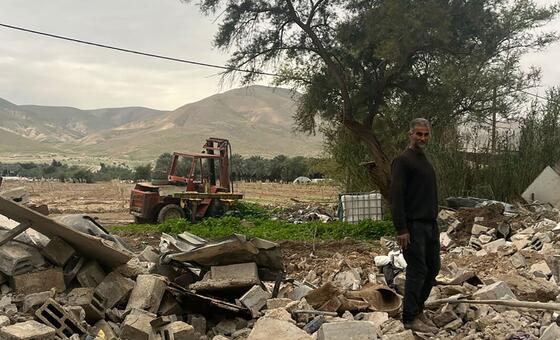
The UN human-rights office (OHCHR), as reported by UN News, said Palestinian families in the occupied West Bank were "trapped in their homes for days" by Israeli settlers and urged Israeli authorities to intervene, describing the incidents as occurring amid an "intensifying campaign" by settlers to seize Palestinian land. PBS NewsHour reported a related siege of a Palestinian-American family's home, U.S. diplomatic condemnation (the U.S. ambassador is quoted describing the action as an "act of terror" in PBS coverage), and that settlers were accused of cutting off water, electricity and essential supplies — with PBS reporting that U.S. pressure prompted Israeli forces to intervene. The supplied excerpts do not give precise locations, numbers of people affected, documentary evidence, independent on-the-ground verification, or responses from the settlers or Israeli authorities beyond the reported intervention.
Source and Framing Analysis
Two primary framings appear in the supplied material. OHCHR/UN News frames the events as a human-rights and protection problem: it attributes to OHCHR the claim that families were trapped "for days" and situates incidents within an "intensifying campaign" to seize Palestinian land, calling on Israeli authorities to act. PBS NewsHour frames the story through personal impact and diplomatic reaction: it supplies an account centered on an affected Palestinian-American family, reports U.S. condemnation (including an attributed strong phrase quoted by the U.S. ambassador), and reports specific material claims (cutting off water, electricity and supplies) and a link between U.S. pressure and an Israeli security response. Strengths: OHCHR is an authoritative rights-monitoring voice and provides institutional appeal; PBS supplies attributable, concrete allegations and diplomatic context. Limitations and gaps: neither excerpt supplies granular evidence (precise locations, numbers, timestamps, forensic or monitoring corroboration) nor records statements from Israeli authorities or from settlers; some claims (the alleged "campaign," utility cutoffs, duration) remain unverified in the supplied text. The two framings are complementary rather than directly contradictory, but fuller assessment requires independent, on-the-ground verification and responses from the parties implicated.
How sources covered this story
Sanctuary separately assesses reporting quality and alignment with Christian virtues. The virtues assessment considers truthfulness, dignity, compassion, justice, peacemaking, humility, and care for vulnerable people. It does not assess a publisher's faith or reward religious language.
Compare 4 reports
Reporting 78/100Virtues 85/100
- Distinctive contribution
- Emphasizes duration ('for days') and situates the sieges as part of an 'intensifying campaign to seize their land,' offering contextualization beyond an isolated incident and presenting an OHCHR call to action.
- Framing
- Human-rights framing from OHCHR presenting the sieges as part of a broader campaign and urging state responsibility to protect civilians.
- Omissions or uncertainty
- Doesn't specify which families/locations are affected, who the perpetrators are beyond 'settlers,' timeline specifics, or provide evidence for the claim of an 'intensifying campaign' in the excerpt.
- Why these scores
- Attribution to OHCHR and specific phrasing (trapped for days, appeal to authorities) are responsibly presented; absence of granular supporting detail in the excerpt limits depth but the piece accomplishes clear human-rights reporting. The excerpt centers protection of vulnerable civilians, calls for state responsibility, and frames the events as a deteriorating pattern—showing strong alignment with concern for human dignity, justice, and care for the vulnerable.
Reporting 76/100Virtues 82/100
- Distinctive contribution
- Quotes the UN rights office characterizing the minister’s words as incitement to “violence amounting to atrocity crimes,” and ties alarm to reports of new illegal outposts—linking rhetoric and settlement activity at the UN level.
- Framing
- Frames the situation as a UN-level alarm and human-rights concern, using language ("illegal outposts," "incite 'violence amounting to atrocity crimes'") that emphasizes potential seriousness and criminality.
- Omissions or uncertainty
- Excerpt does not identify the national security minister, provide examples or dates of the quoted remarks, specify the locations or scale of the new outposts, or give Israel’s response—limiting verifiability and context.
- Why these scores
- Clear attribution to UN organs and a direct quoted characterization lend credibility; however, the excerpt lacks key specifics (who, when, which outposts, responses) that would strengthen accountability and allow independent verification. The report foregrounds concerns about rhetoric that could lead to widespread harm, defends vulnerable populations by calling for condemnation of incitement, and treats the issue in a rights-respecting manner—showing attention to truth, human dignity, and justice.
Rank 3
PBS NewsHour: Palestinian American family recounts siege of West Bank home by Israeli settlersReporting 74/100Virtues 80/100
- Distinctive contribution
- Identifies the affected household as an American Palestinian family, which is relevant to diplomatic interest and explains the U.S. condemnation referenced elsewhere.
- Framing
- Human-interest framing focusing on an individual family’s experience, tied to diplomatic and military responses rather than broader strategic analysis.
- Omissions or uncertainty
- No details on the family’s account in the excerpt (what happened, duration, injuries or damage), no dates, no description of the nature or timing of the Israeli military response, and no direct quotes included here.
- Why these scores
- Concise and attributable (notes U.S. condemnation and Israeli response) and adds a specific affected party, but the excerpt lacks direct quotes, timeline, and corroborating detail that would strengthen the immediacy and verifiability of the account. The focus on a family under siege highlights concern for vulnerable people and elicits compassion; the reporting centers victims and records official responses without sensationalizing the account in the excerpt.
Rank 4
PBS NewsHour: 'Act of terror': U.S. condemns Israeli settler siege of Palestinian homes in West BankReporting 80/100Virtues 78/100
- Distinctive contribution
- Specifies the tactics used in the siege (cutting off utilities and supplies), records an explicit U.S. diplomatic characterization ('act of terror'), and links U.S. pressure to subsequent Israeli military intervention.
- Framing
- Frames the events through official U.S. condemnation and a forceful diplomatic quote, highlighting humanitarian impacts (loss of utilities) and the response dynamic between U.S. pressure and Israeli action.
- Omissions or uncertainty
- Does not name precise location or duration of the siege, provide evidence for the claim about utilities being cut beyond the summary, or detail the nature/timing of the Israeli intervention; the excerpt relies on attribution without granular sourcing.
- Why these scores
- Provides concrete, attributable claims (named ambassador, described actions) and links cause/effect (pressure → intervention). The excerpt remains concise and responsibly attributed, though it lacks granular on-the-ground detail in isolation. By highlighting harm to civilians (denial of essential services) and reporting official condemnation, the piece promotes concern for vulnerable people and justice; the strong rhetorical label is attributed and not presented as the reporter’s own escalation.
Biblical Reflection
Receive this report with sorrow and urgency for the safety and dignity of those reportedly confined. A Christian response centers on truth, mercy, justice, peacemaking, humility, and care for vulnerable neighbors: pursue reliable facts before rushing to judgment; lament and pray for those harmed; advocate nonviolent protection, humanitarian access, and rule-of-law accountability; and resist dehumanizing language or partisan simplifications. Hold victims’ protection and the pursuit of restoration together, seeking both immediate relief for those in need and longer-term measures that prevent further dispossession and violence.
Scripture in context
- 1Isaiah 1:17 — A prophetic call to learn to do good, to seek justice, and to defend the oppressed. — Reports that civilians are reportedly confined or deprived should prompt Christians to pursue concrete forms of justice and protection that defend those at risk, not merely express outrage.
- 2Luke 10:25-37 (Good Samaritan) — A parable that reframes 'neighbor' as the person in need, calling for active, costly compassion across social boundaries. — Faced with accounts of siege and dispossession, Christians are urged to ask who the wounded neighbor is and how to respond practically with care and protection without reducing people to political categories.
Faithful Response
Pray urgently for the safety, provision, and dignity of civilians reported trapped and for wisdom for those who can protect or assist them.
Seek further reliable, corroborated information before sharing or acting on specific allegations; prioritize reporting with on-the-ground verification, multiple independent sources, or official responses.
Support reputable humanitarian and human-rights organizations that assist civilians impartially and operate with accountability in the West Bank.
Advocate for nonviolent rule-of-law measures: independent investigation, unimpeded access for aid and monitors, protection of civilians, and accountability for unlawful violence or dispossession.
Provide pastoral care and spaces for lament in congregations, teach discernment about media, and model humility and peacemaking rather than scapegoating.
Reflection and Discussion
- 1Which voices are missing from the supplied reports (local Palestinian residents, local humanitarian actors, Israeli authorities, settlers, independent monitors), and how would their inclusion change our understanding?
- 2How do we hold together the demands of justice for victims and the call to pursue reconciliation and peace in a context of occupation and contested land?
- 3What practical, nonviolent steps can our congregation take to support human dignity and humanitarian care for civilians affected, while avoiding actions that escalate tensions?
Sources
Reporting links are evidence inputs; Sanctuary News' biblical reflection is commentary.
This outlook currently relies on fewer than two linked sources. Broaden verification before teaching from it.
- 1.Occupied West Bank: Settler siege of Palestinians marks a new low: OHCHRofficial_document