News Summary
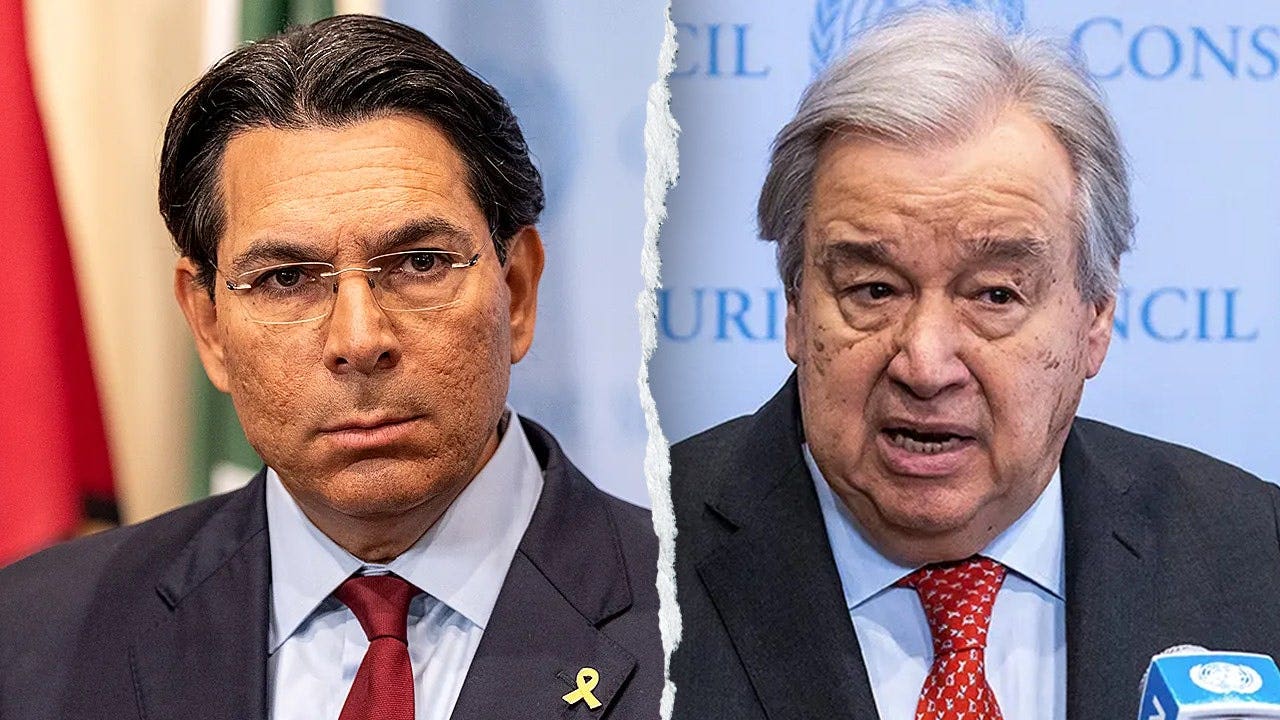
On June 18, U.N. Special Representative Vanessa Frazier reposted a social media image originally shared by Sarah Wilkinson, who has been charged in the U.K. with encouragement of terrorism and support for a proscribed organization; Wilkinson claimed the image showed cluster munitions disguised as children's toys allegedly dropped by Israelis over Lebanon. Frazier commented that if the claim were true it would indicate a deliberate intent to kill children; she later deleted the repost. The Israel Defense Forces called the allegation fake. U.N. Secretary-General António Guterres’ spokesperson said deletion does not imply endorsement and affirmed Guterres’ confidence in Frazier. Israel’s U.N. Ambassador Danny Danon wrote to the U.N. Security Council expressing grave concerns about Frazier’s impartiality and cited a pattern of sharing disputed or misattributed material; Danon and Frazier also clashed publicly at a U.N. side event. Critics, including human-rights commentators and a former army officer, accused Frazier of amplifying false or antisemitic tropes; Frazier defended the U.N. report on children and armed conflict as the product of the U.N.’s monitoring and verification process and said her mandate is impartial and focused on protecting children. The controversy follows prior instances in which Frazier removed posts after images were shown to be misattributed.
Biblical Reflection
From a Christian pastoral perspective, this story highlights the responsibility that comes with public influence. Officials who speak for international institutions are called to seek truth and guard the vulnerable; sharing unverified or emotionally charged material undermines credibility, risks inflaming prejudice, and can deepen harm to civilians already suffering in conflict. At the same time, the concern for children and the impulse to call out abuses are morally right when based on reliable evidence. Christians should therefore press for careful verification, accountability, and fair procedures rather than quick denunciations or reflexive defenses. The article’s framing reflects competing worldviews: one that prioritizes urgent moral witness on behalf of victims, and one that insists on institutional impartiality and evidentiary standards to prevent falsehood and collective condemnation. Christian virtues of truth, humility, and love for neighbor call us to challenge lies and bias wherever they appear while avoiding dehumanizing language or unverified accusations that fuel fear and hatred.
Scripture in context
This outlook does not yet include contextual Scripture citations. Do not treat a general biblical theme as an exegetical conclusion.
Faithful Response
No prescribed response is offered. Consider the reflection prompts below in your own church context.
Reflection and Discussion
- 1Am I inclined to accept or share emotive claims from social media before checking the source and verification?
- 2When institutions or leaders make accusations, does the reporting invite critical questions about evidence and process, or does it push toward instant judgment?
- 3How does the language used in this dispute (accusation, 'blood libel,' impartiality) shape public perception of entire communities and affect efforts toward peace?
Sources
Reporting links are evidence inputs; Sanctuary News' biblical reflection is commentary.
This outlook currently relies on fewer than two linked sources. Broaden verification before teaching from it.
- 1.Original reportprimary