News Summary
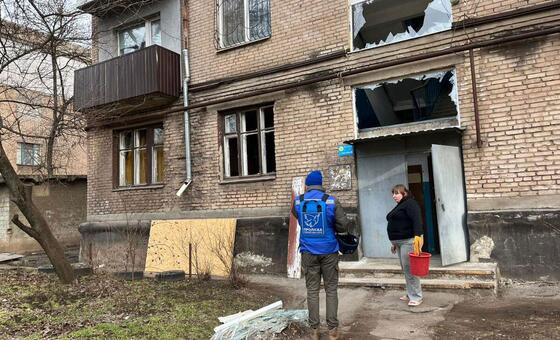
Reported facts: UN partners launched a Winter Response Plan intended to help 2.1 million people in Ukraine survive the approaching cold season. Attributed claim: the plan is a response to needs arising from the ongoing Russian invasion of Ukraine. Uncertainty: the brief report does not specify funding amounts, implementing partners, geographic or demographic priorities, timelines, or monitoring and accountability mechanisms.
Source and Framing Analysis
The source is UN News, which reports the UN system's own humanitarian actions; this makes the account a primary report of a UN initiative rather than investigative coverage. The item is concise and framed as an operational announcement, so it emphasizes the scale of assistance (2.1 million people) but omits operational detail. That lack of detail limits the reader's ability to assess likely effectiveness, transparency, and gaps between intent and delivery.
Biblical Reflection
This report highlights a practical humanitarian response to human suffering caused by war. The launch of a Winter Response Plan reflects an international-professional effort to meet immediate physical needs—warmth, shelter, fuel, and other winter survival items—rather than offering a political solution to the conflict. Christians should read such news first as a call to compassion: people caught in warface life-threatening conditions when winter arrives, and organized relief can save lives.
At the same time, the short news item leaves many questions unanswered: funding sources, delivery logistics, priority regions, accountability, and long-term planning. A Christlike response holds both mercy and truth: we should praise efforts to relieve suffering and also ask sober questions about effectiveness, fairness, and how aid is protected from being diverted. The underlying worldview of the item is humanitarian solidarity—assume that external aid can and should reduce immediate suffering. That is consistent with biblical care for neighbors, but Christians must also remember the importance of advocacy for justice and peace alongside direct relief.
Finally, this kind of reporting invites faithful engagement rather than partisanship. Christians can support relief, pray for civilians and responders, and advocate for policies that pursue peace and the protection of noncombatants. We should resist using human suffering merely as a rhetorical weapon in partisan contests and instead center the dignity and safety of those most at risk.
Scripture in context
- 1Matthew 25:35-40 — In Matthew 25 Jesus teaches about the final judgment using concrete examples of feeding the hungry, welcoming strangers, clothing the naked, and caring for the sick; the passage addresses the church's responsibility toward vulnerable neighbors and links care for others to service of Christ. — This passage calls Christians to see relief work as a spiritual discipline: aiding civilians in wartime is not merely charity but a faithful response that recognizes the image of God in those who suffer and binds acts of mercy to discipleship.
Faithful Response
Pray for civilians, relief workers, and political leaders involved in the conflict and humanitarian response.
Support reputable humanitarian organizations (financially or through volunteering) that demonstrate accountability and principled delivery.
Ask local church leaders to inform congregations about verified needs and vetted partners rather than amplifying unverified appeals.
Advocate with elected officials for policies that protect civilians, enable humanitarian access, and prioritize long-term recovery alongside short-term relief.
Reflection and Discussion
- 1Does this report move me first to practical compassion for people in need, or to political argumentation?
- 2What information would I need to judge whether this Winter Response Plan will reach the most vulnerable safely and effectively?
- 3How does this relief effort fit with broader Christian responsibilities to pursue both mercy and justice in contexts of war?
Sources
Reporting links are evidence inputs; Sanctuary News' biblical reflection is commentary.
This outlook currently relies on fewer than two linked sources. Broaden verification before teaching from it.
- 1.World News in Brief: Aid for Ukraine, drone attacks in Sudan, DR Congo deaths, neurological disorders in the Americasofficial_document