News Summary
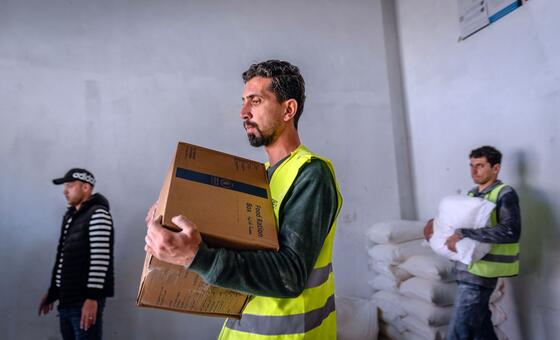
Facts: The UN reports improvements in food security and child nutrition across the Gaza Strip linked to a recent scale-up in humanitarian assistance and increased commercial traffic. Attributed claims: The UN attributes gains largely to aid and commercial flows and warns that progress is fragile. Uncertainty: The article does not provide detailed metrics (e.g., exact changes in malnutrition rates, geography of gains, or funding shortfalls) nor independent corroboration beyond the UN assessment.
Source and Framing Analysis
This is primary reporting from the UN on its own assessment; the framing centers humanitarian relief and fragility, which is appropriate for the source but leaves out granular data (numbers, geographic breakdowns, timelines) and perspectives from other agencies or local actors that could add context or corroboration. The moral framing (urgent need for sustained support) is explicit in the reporting and aligns with the UN’s mandate to mobilize assistance.
Biblical Reflection
The United Nations' assessment highlights a basic moral fact: some of Gaza’s most vulnerable people—particularly children—have experienced short-term relief. From a Christian perspective, this should move us to gratitude that aid reached those in need and to sadness that relief remains tenuous. Scripture repeatedly calls believers to attend to the hungry and defenseless; responding with compassion and practical help is an expression of neighbor-love.
At the same time, the report's emphasis on fragility invites sobriety and humility. Humanitarian progress that depends on temporary corridors of access, stop-gap funding, or intermittent commercial flows reflects a system in need of durable justice and peacemaking. Christians should resist simplistic political narratives that treat suffering as a rhetorical tool and instead center the dignity of those affected—advocating for sustained access, supporting trustworthy relief actors, and praying for durable resolution that reduces dependence on emergency aid.
Finally, the article implicitly raises stewardship questions: short-term relief is necessary and merciful, but long-term flourishing requires systems that provide food security without constant crisis. The church’s call is both immediate (feed the hungry, tend the child) and structural (seek peace, protect the vulnerable), bearing witness through mercy, truth, and courageous advocacy.
Scripture in context
- 1Matthew 25:35–40 — In the Gospel of Matthew, Jesus tells the parable of the sheep and goats to teach that acts of mercy toward 'the least' are spiritually significant and reveal love for Christ; the passage addresses care for the hungry, thirsty, stranger, naked, sick, and imprisoned in a community facing judgment and restoration. — This passage urges believers to see feeding the hungry as not merely charity but an essential expression of faith; it grounds practical aid to vulnerable populations—such as children in Gaza—in personal and communal discipleship.
Faithful Response
Pray regularly for the people of Gaza, humanitarian workers, and decision-makers controlling access and funding.
Give to vetted relief organizations providing food, child nutrition, and medical support in Gaza, prioritizing sustained programs with accountability.
Contact elected officials and church leaders to advocate for policies that protect humanitarian access and funding while pursuing just and lasting solutions.
Resist dehumanizing narratives in public conversation; center the dignity of civilians and the particular vulnerability of children.
Reflection and Discussion
- 1Are we prioritizing immediate acts of mercy while neglecting advocacy for the structural changes needed to prevent recurring crises?
- 2How can our care avoid being shaped primarily by political allegiances and instead be guided by the gospel’s call to neighbor-love?
- 3What sources of information will we use to discern when humanitarian gains are durable versus when they are at risk of reversal?
Sources
Reporting links are evidence inputs; Sanctuary News' biblical reflection is commentary.
This outlook currently relies on fewer than two linked sources. Broaden verification before teaching from it.
- 1.Gaza’s food gains could unravel without sustained aid, UN warnsofficial_document