News Summary
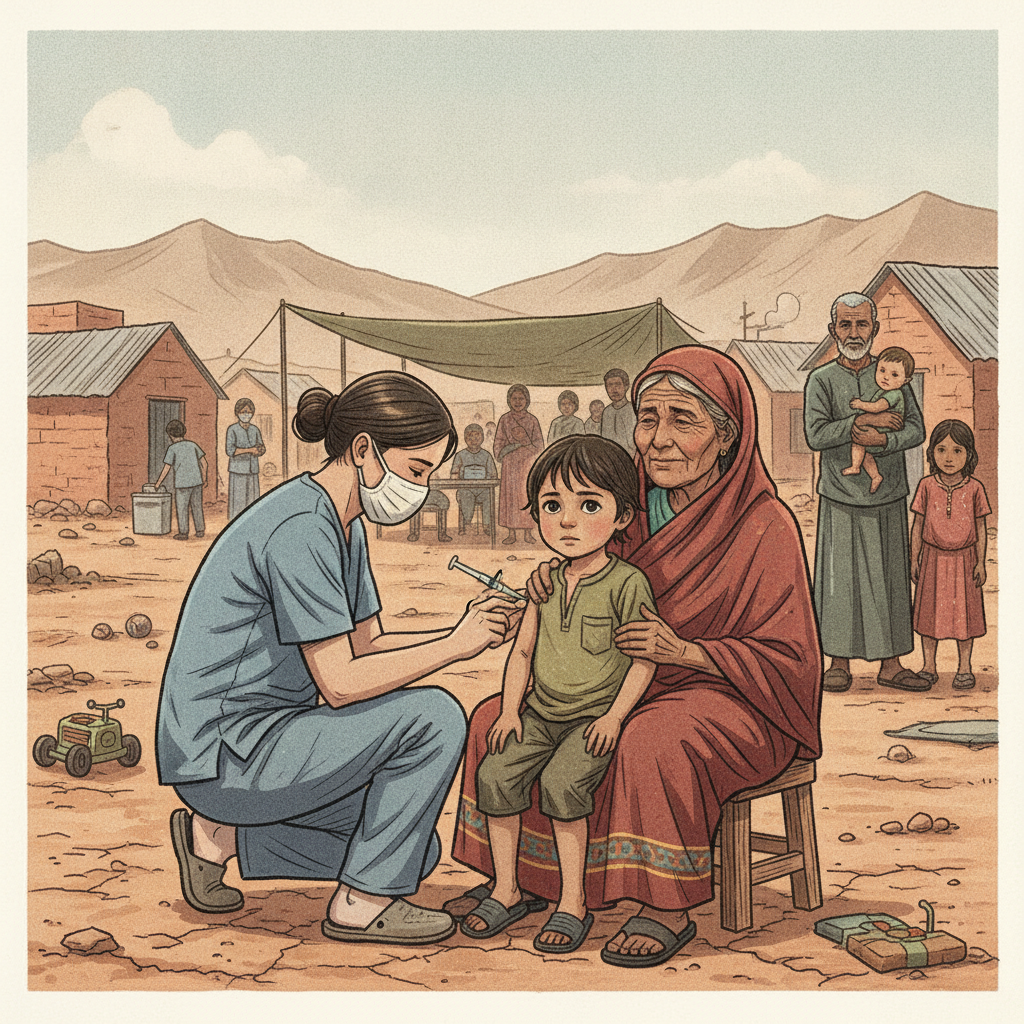
UN News reports that global childhood immunization programmes showed modest recovery in 2025, but that conflict, poverty and growing vaccine hesitancy continue to leave millions of children vulnerable to preventable diseases. The supplied article attributes these conclusions to new UN data but does not provide numeric totals, regional breakdowns, or methodological detail.
Source and Framing Analysis
The single supplied source (UN News) frames the story with two balanced emphases: a cautiously positive note about program recovery and a sharper emphasis on continuing risk. Strengths: the piece attributes findings to UN data and avoids sensationalizing language. Key limitations and uncertainties in the supplied material: no numeric estimates (how many 'millions'), no regional or country breakdowns, no timeline or magnitude for the reported 'recovery,' and no methodological detail explaining how 'vaccine hesitancy' or the links to conflict and poverty were measured or weighed. Because only one reporting source is provided here, readers cannot cross-check the scope or regional distribution of the problem from the supplied material. Additional authoritative sources to consult for verification and detail include WHO, UNICEF, national health ministries, and the underlying UN report(s) referenced by the UN News item.
How sources covered this story
Sanctuary separately assesses reporting quality and alignment with Christian virtues. The virtues assessment considers truthfulness, dignity, compassion, justice, peacemaking, humility, and care for vulnerable people. It does not assess a publisher's faith or reward religious language.
Compare 1 reports
Reporting 75/100Virtues 78/100
- Distinctive contribution
- Concise summary of newly released UN data stating that global childhood immunization programmes showed recovery in 2025 but that conflict, poverty and growing vaccine hesitancy continue to leave millions of children vulnerable to preventable diseases.
- Framing
- Presents a cautiously positive frame (programmes 'continued to recover') while emphasizing persistent risks and drivers of under-immunization (conflict, poverty, vaccine hesitancy). The piece attributes the finding to 'new UN data' and stresses ongoing vulnerability rather than declaring the problem solved.
- Omissions or uncertainty
- The supplied text omits quantitative detail (how large the increase was; exact number of 'millions'); geographic or age-group breakdowns; which vaccines or diseases are implicated; methodology or specific UN agency report title; timelines and causes behind the recovery; and any response recommendations. It is unclear whether 'vaccine hesitancy' is measured or inferred, and how conflict and poverty were linked to coverage declines.
- Why these scores
- As a brief news summary, it responsibly attributes findings to UN data and avoids sensational language, giving a balanced headline that notes both recovery and remaining risks. The score is limited by lack of specificity: no figures, no named UN report or agency, no methods, and no regional detail. Those omissions reduce the piece's usefulness for readers wanting to assess scale or verify claims, but the attribution and cautious wording support a solid mid-high rating. The text centers human vulnerability and cites structural causes (conflict, poverty) that implicate justice and compassion; it avoids dehumanizing language or exploitation of suffering and encourages attention to unmet needs. The score is not higher because the excerpt does not offer constructive pathways, accountability, or concrete measures to protect the vulnerable — it is empathetic in tone but brief and largely descriptive.
Biblical Reflection
The facts reported are both a public-health concern and a moral summons. From a Christian perspective: truth requires careful reporting of the scale and drivers of the problem; mercy calls the church to protect and serve vulnerable children and families; justice prompts attention to structural causes (poverty, conflict) that limit access to care; humility warns against simplistic blame or politicization; and peacemaking encourages advocacy for safe access to health services in conflict-affected areas. Christians are called to respond with accurate information, compassionate service, and advocacy that upholds the dignity of children and caregivers.
Scripture in context
- 1Matthew 25:31-46 — In this passage Jesus speaks of the final judgment, praising those who fed the hungry, gave drink to the thirsty, clothed the naked, welcomed strangers, cared for the sick, and visited prisoners—identifying such service with service to him. — This passage frames care for vulnerable people (including children at risk of disease) as integral to Christian discipleship: protecting children's health and alleviating suffering are acts that reflect faith in concrete ways.
- 2James 1:27 — James describes 'pure and undefiled religion' as caring for orphans and widows in their distress and keeping oneself unstained by the world. — This verse directs attention to practical, relational forms of care: church communities are called to attend to children and families in distress through tangible support and advocacy.
Faithful Response
Verify and learn before acting: consult WHO, UNICEF, national health ministries, and the underlying UN report for numeric detail and regional breakdowns before sharing or making program decisions.
Partner locally: work with trusted public-health agencies or NGOs to host or promote vaccination clinics and to help remove logistical barriers (transport, documentation, clinic hours) for families.
Pastoral accompaniment: create listening groups and referral networks that connect families with vaccine questions to qualified medical professionals rather than relying on social media claims.
Support relief and prevention: allocate mission or relief funds toward credible immunization efforts and broader services that reduce structural barriers (nutrition, sanitation, transport for refugees/displaced families).
Advocate for justice and access: urge policymakers and donors to prioritize health services in conflict-affected and impoverished areas and to protect health workers and supply chains.
Communicate with humility and love: avoid shaming or political framing when engaging those who are hesitant; prioritize relationship, clear information, and referral to clinicians.
Reflection and Discussion
- 1Where does our compassion lead us when confronted with slow-moving health crises that chiefly affect the poor and displaced?
- 2How can Scripture shape both our moral urgency and our patience as we work with complex systems (healthcare, poverty, conflict) to protect children?
- 3What practical steps can our congregation take to reduce access barriers to routine childhood immunization locally or through partners?
- 4How do we listen well to caregivers who have doubts about vaccines while still promoting public health and protecting children?
Sources
Reporting links are evidence inputs; Sanctuary News' biblical reflection is commentary.
This outlook currently relies on fewer than two linked sources. Broaden verification before teaching from it.
Download source notes