News Summary
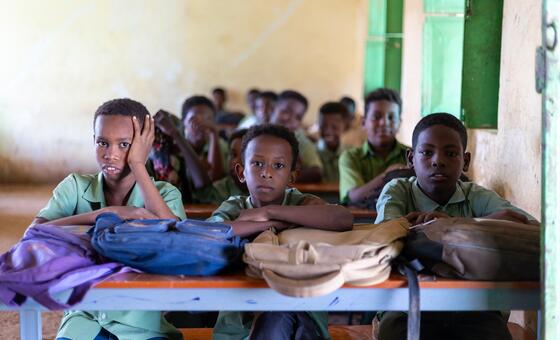
UN News reports that the UN global education fund announced a $22 million initiative intended to help 200,000 children in Sudan return to learning. The announcement frames the funding as a humanitarian response to widespread disruption of education caused by the country’s civil war. The brief report gives the funding amount and beneficiary target but does not supply operational details such as which specific fund or office is managing the money, implementing partners, geography or timeline for delivery, whether the sum is new or reallocated, or how the 200,000 figure was calculated.
Source and Framing Analysis
The information comes from a short UN News brief that relays an institutional announcement by a UN-managed education fund. The report emphasizes the humanitarian intent and scale of need, which highlights compassion for children affected by conflict. Because it is a relay of an institutional announcement rather than investigative reporting, the piece provides clear headline facts (amount and target beneficiaries) but omits material operational details (specific fund name, donors, implementing partners, timeline, geographic targeting, monitoring and evaluation, and whether the funding is new). There are no other sources in the cluster to corroborate or contradict the announced figures; thus the claims are accurately attributed to the UN fund in the article but remain operationally uncertain.
How sources covered this story
Sanctuary separately assesses reporting quality and alignment with Christian virtues. The virtues assessment considers truthfulness, dignity, compassion, justice, peacemaking, humility, and care for vulnerable people. It does not assess a publisher's faith or reward religious language.
Compare 1 reports
Reporting 78/100Virtues 86/100
- Distinctive contribution
- Provides a specific funding amount ($22 million) and an estimated beneficiary count (200,000 youngsters) tied to a UN-managed education initiative, plus a succinct human-impact framing (classrooms 'out of reach' because of the civil war).
- Framing
- Humanitarian/child-centered framing that emphasizes disruption to education caused by Sudan's civil war and presents the UN education fund's initiative as a response to restore learning for affected children.
- Omissions or uncertainty
- Does not identify the exact UN fund or office (name, e.g., Education Cannot Wait, Global Partnership for Education, etc.), funding sources or donors, timeframe for implementation, geographic targeting within Sudan, types of education interventions, implementing partners, monitoring/evaluation plans, or whether the $22 million is new funding or a reallocation.
- Why these scores
- Concise and clear: attributes the announcement to the UN global education fund and gives concrete numbers (amount and beneficiaries). Appropriately focused for a short news brief. However, it lacks operational detail (which fund, implementation, timeline, partners) and direct attribution/quotes from officials that would strengthen accountability and context. The piece centers on vulnerable children and a humanitarian response, reflecting compassion, care for the vulnerable, and concern for human dignity. It avoids sensationalism or dehumanizing language. Score is limited from being higher only because the excerpt is short and does not show attention to long-term justice, follow-up, or beneficiary voices.
Biblical Reflection
From a Christian perspective, this announcement represents an act of mercy toward vulnerable children and a sign that international actors recognize the dignity of those whose schooling has been disrupted. Christians should receive such aid news with gratitude and hope, while also holding to biblical commitments to truth, justice, and peacemaking. That means supporting efforts that restore learning and human dignity, advocating for protection of children and schools, pressing for accountability and transparency in how aid is delivered, and praying and working for lasting peace so that education can be sustained. Practical mercy should be paired with advocacy for structural and security solutions that prevent repeated harm to children and communities.
Scripture in context
- 1Matthew 25:31-46 — This passage portrays final judgment in terms of practical care for vulnerable people—feeding the hungry, clothing the naked, visiting the imprisoned—and uses those concrete acts as measures of faithful discipleship. — The passage calls Christians to concrete acts of mercy for vulnerable people. Responding to children deprived of education due to war is a form of that practical care and should be paired with efforts that pursue justice, protection, and long-term stability for those children.
Faithful Response
Pray for the children of Sudan, their families, educators, and aid workers, and for leaders to choose peace and protection of civilians.
Support reputable humanitarian and education-in-emergencies organizations that have transparent monitoring and local partnerships; prioritize those with proven delivery in insecure contexts.
Advocate to elected representatives and church networks for policies and funding that protect children and schools and that combine immediate relief with plans for durable recovery and accountability.
Encourage local congregations to inform themselves about the crisis, consider targeted giving or sponsorship for affected children, and partner with vetted NGOs or local faith-based responders.
Hold agencies and donors to account by asking for clarity on who will implement the programs, how beneficiaries are selected, timelines, safeguards for staff and children, and monitoring and reporting mechanisms.
Reflection and Discussion
- 1Does the announcement emphasize hope or measurable outcomes, and how should that shape our trust and follow-up?
- 2How can our faith community support humanitarian efforts while constructively demanding transparency and accountability?
- 3What practical steps can we take to combine immediate mercy (education aid) with advocacy for justice and protection that prevents future disruptions to children's schooling?
Sources
Reporting links are evidence inputs; Sanctuary News' biblical reflection is commentary.
This outlook currently relies on fewer than two linked sources. Broaden verification before teaching from it.
- 1.Sudan war: $22 million education boost to help 200,000 childrenofficial_document