News Summary
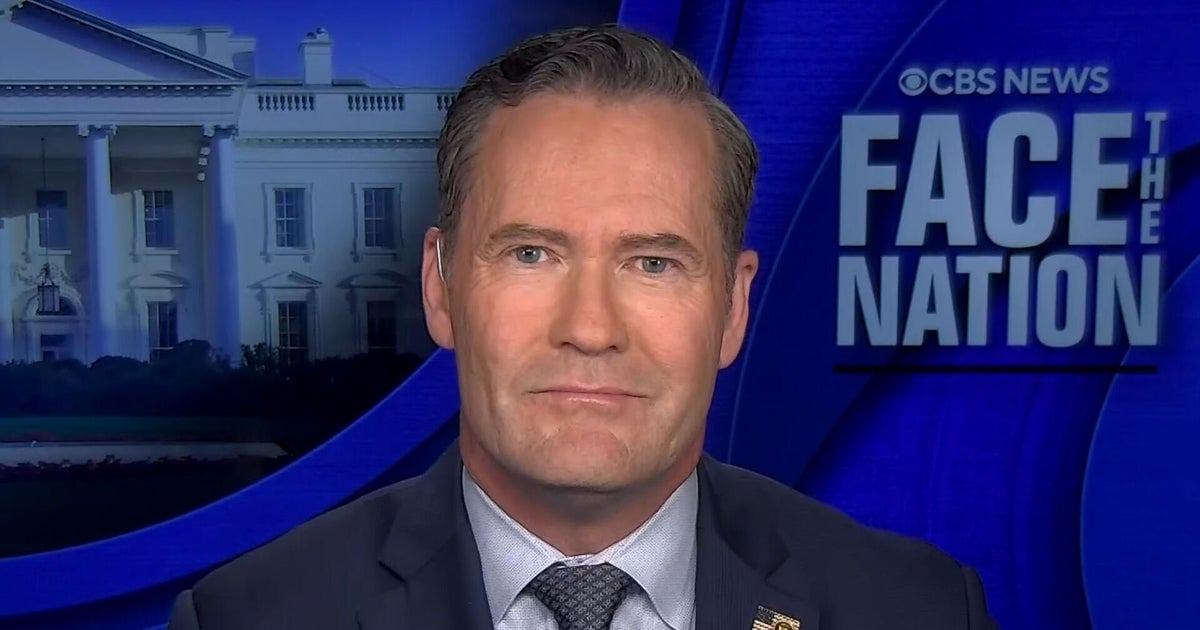
This is a transcript of a June 21, 2026 Face the Nation interview with U.S. Ambassador to the United Nations Michael (Mike) Waltz. Waltz defended the Trump administration's direct negotiations with Iranian officials, arguing the talks aim to prevent Iran from obtaining a nuclear weapon and to secure verification measures. He cited polling showing U.S. opposition to an Iranian nuclear weapon, claimed energy prices have fallen and supply is improving, and said U.S. negotiators are coming from a position of strength due to economic pressure and military credibility. Waltz acknowledged critics within the administration and raised the need for strict verification—"no trust, all verify." He addressed concerns about negotiating with Iranian officials who have records of repression, said hostage families are not forgotten, and stated Department of Energy nuclear experts are involved in technical discussions on down-blending and uranium handling. When asked about references to a "gentlemen's agreement" and possible undocumented or classified elements, Waltz said he was not aware of classified annexes. He also said oil revenues to Iran would be monitored and could be turned off if Iran violated terms, and he repeatedly contrasted the current administration's approach with prior administrations' policies.
Biblical Reflection
The administration's stated aim—preventing nuclear weapons—is morally weighty and aligns with protecting innocent life and global stability. At the same time, the interview mixes verifiable claims (technical experts involved, emphasis on verification) with persuasive political framing (repeated assertions of negotiating from "strength," comparisons to prior administrations, and assurances about hostage returns and economic trends). The worldview expressed is pragmatic realism: willing to engage morally compromised actors for perceived greater security gains. Christians should welcome efforts that seek peace and prevent mass harm, but also remain alert to risks: opaque agreements, compromises that empower abusive regimes, and rhetoric that sidelines victims' suffering. Discernment requires demanding transparency, honoring victims (including hostages and protest survivors), and holding leaders accountable for both truthful reporting and moral clarity. Humble prayerfulness, insistence on justice, and a preference for verified, evidence-based policy are faithful responses.
Scripture in context
This outlook does not yet include contextual Scripture citations. Do not treat a general biblical theme as an exegetical conclusion.
Faithful Response
No prescribed response is offered. Consider the reflection prompts below in your own church context.
Reflection and Discussion
- 1What specific verification evidence would convince you that a diplomatic arrangement truly prevents Iran from weaponizing nuclear material?
- 2Are leaders prioritizing durable security for people over short-term political wins, and how can Christians assess that distinction?
- 3When negotiations involve perpetrators of violence, how should we weigh the hope of peace against the need for justice and accountability?
Sources
Reporting links are evidence inputs; Sanctuary News' biblical reflection is commentary.
This outlook currently relies on fewer than two linked sources. Broaden verification before teaching from it.
- 1.Original reportprimary