News Summary
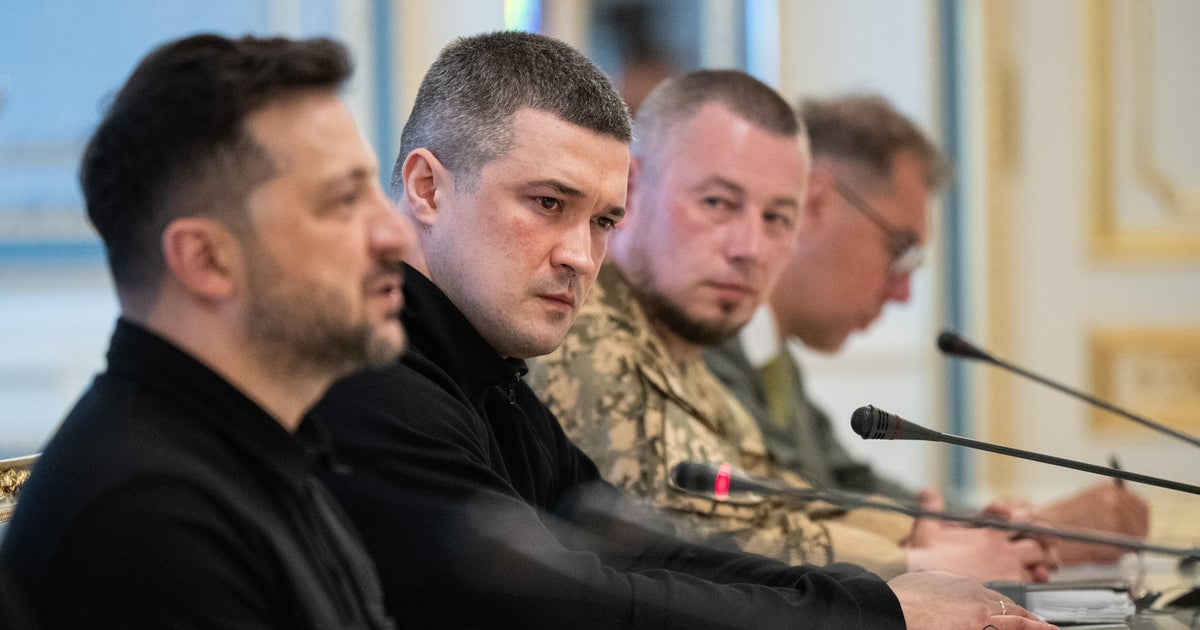
Hundreds of people protested in downtown Kyiv after President Volodymyr Zelenskyy moved to remove Defense Minister Mykhailo Fedorov as part of a broader cabinet reshuffle. The change comes while many analysts say Ukraine has recently gained battlefield momentum against Russia. Several senior figures, including the deputy commander of the Ukrainian Air Force and some lawmakers, submitted resignations in protest. Fedorov, a 35-year-old former digital transformation minister credited with advancing drone capability, e-government platforms, and cutting logistics to Crimea, is widely popular domestically and has strong ties to Western partners. Ukrainian officials and outlets reported friction between Fedorov and some top generals, and some officials said his popularity raised concerns he could become a political rival to Zelenskyy. Zelenskyy did not formally announce Fedorov’s departure; Fedorov posted about his achievements on social media after media reports of his exit. Separately, parliament approved Serhii Koretskyi as prime minister after accepting the previous premier’s resignation. Zelenskyy said the reshuffle aims to prepare Ukraine for the coming winter and strengthen relations with foreign partners, while critics view parts of the move as driven by internal political calculations.
Biblical Reflection
This story highlights the tension between wartime exigency and domestic politics. On one hand, leaders must make difficult personnel decisions aimed at national security and logistical preparedness; on the other, removing a well-regarded defense figure amid apparent military progress risks undermining morale, public trust, and institutional unity. The article presents both practical justifications (preparing for winter, energy expertise) and political readings (rivalry, consolidation of authority). Christians should be wary of simple narratives that turn leaders into heroes or villains; truth requires careful attention to motives, facts, and consequences. From a pastoral perspective, the primary Christian concern is the welfare of the vulnerable—Ukraine’s civilians and soldiers—so changes that plausibly weaken coordinated defense or public confidence demand scrutiny and sober prayer. The reporting leans on credibility by citing resignations, official statements, and past achievements, but readers should note gaps: the president’s direct explanation of Fedorov’s removal is limited, and claims about rivalries rely on unnamed officials and secondary reporting. Christians can hold leaders accountable without cynicism, seeking reconciliation where possible and resisting partisan polarization that distracts from protecting neighbor and nation.
Scripture in context
This outlook does not yet include contextual Scripture citations. Do not treat a general biblical theme as an exegetical conclusion.
Faithful Response
No prescribed response is offered. Consider the reflection prompts below in your own church context.
Reflection and Discussion
- 1Are the leadership changes driven primarily by concrete security needs or by political calculations, and how can we verify which is true?
- 2How might internal political conflict affect Ukraine’s ability to protect civilians and sustain military coordination?
- 3Do we risk elevating individual personalities over the resilience of institutions that serve the common good?
Sources
Reporting links are evidence inputs; Sanctuary News' biblical reflection is commentary.
This outlook currently relies on fewer than two linked sources. Broaden verification before teaching from it.
- 1.Original reportprimary