News Summary
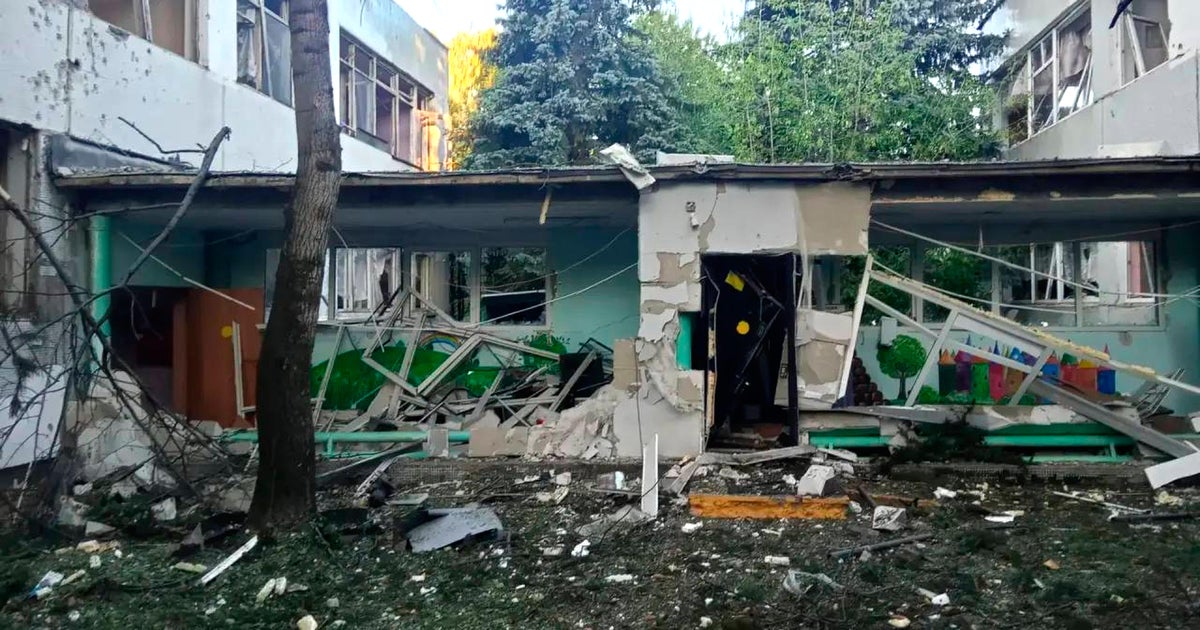
Reported facts: Russian regional officials reported eight dead and more than 60 wounded after overnight drone strikes on July 18, 2026, in multiple Russian locations (Kotovsk, Elektrostal, Noginsk, Vladimir). Wildberries reported fires at two warehouses; one fire was later reported extinguished. Officials reported evacuations of a maternity hospital and residential building and damage to a kindergarten. Attributed claims: Zelenskyy said strikes hit logistical facilities supplying components for drones and navigation equipment; the Russian Defense Ministry said 379 Ukrainian drones were intercepted over 19 regions and surrounding waters. Uncertainty: casualty counts, the stated purpose and contents of targeted facilities, and the interception figures are reported by involved parties and lack independent verification in the supplied sources.
Source and Framing Analysis
Primary reporting (CBS and NPR/Associated Press) relays statements from Russian regional governors, the Russian Defense Ministry, Wildberries’ founder, and Ukrainian President Zelenskyy. The article relies on official statements and government channels for casualty, damage, and interception figures. Missing voices include independent investigators, international monitors, first-person testimony from victims, and Ukrainian operational sources offering independent corroboration. Incentives: Russian officials may publicize casualty and interception figures to underscore threat and justify domestic security measures; Ukrainian statements aim to explain the strikes’ military purpose. Disputed claims needing verification include the claimed use of the struck warehouses to supply sanctioned components and the scale of the alleged drone interceptions. Photographs and governor posts are cited but not independently authenticated in these reports.
Free every morning
Get the Daily Briefing
The stories shaping today—sourced carefully and considered through Scripture. No outrage bait.
Confirm by email. Unsubscribe at any time.
Biblical Reflection
This article reports a sharp intensification of cross-border strikes that have caused civilian deaths and damage to civilian infrastructure. From a Christian perspective the facts as reported raise urgent moral questions: the loss of life and harm to noncombatants should grieve us, regardless of which side is responsible; combatant claims and casualty figures come primarily from official sources on both sides and may reflect strategic framing, so readers should be cautious about accepting either side’s narrative wholesale. The piece emphasizes military effectiveness and logistical disruption, revealing a wartime worldview that privileges strategic pressure and deterrence. Christians must hold together truth and mercy — seeking accurate information while lamenting civilian suffering and resisting rhetoric that dehumanizes the other. At the same time, the reality of prolonged war calls believers to pray and act for protection of civilians, for humanitarian access, and for leaders to pursue avenues that reduce harm and open space for negotiation. Reporting on military operations can normalize escalation; a gospel-shaped response insists on valuing every human life, advocating for the innocent, and pressing power toward restraint and justice.
Scripture in context
- 1Romans 12:17-21 — Paul writes to the Roman church, living as a minority faith within a hostile world, offering ethical instruction on interpersonal and communal conduct—urging avoidance of vengeance and pursuit of peace and reconciliation. — Applied to cross-border violence, the passage calls Christians to reject calls for revenge that target innocents, to pray for and pursue peace where feasible, to care for victims and to trust God for ultimate justice while taking responsible, restrained action to protect the innocent.
Faithful Response
Pray specifically for the victims, first responders, and those making decisions on both sides of the conflict.
Support verified humanitarian relief that aids wounded and displaced civilians regardless of nationality.
Seek reliable information: compare multiple independent sources before sharing casualty or technical claims.
Engage local civic leaders and congregations in nonpartisan advocacy for protections that reduce civilian harm.
Free every morning
Get the Daily Briefing
The stories shaping today—sourced carefully and considered through Scripture. No outrage bait.
Confirm by email. Unsubscribe at any time.
Reflection and Discussion
- 1Which specific claims in the article are based only on government statements and therefore require independent corroboration?
- 2How does the article’s use of terms like ‘relentless campaign’ shape readers’ moral reactions to civilian casualties?
- 3What practical steps should Christians take to protect and aid noncombatants affected by cross-border strikes?
Sources
Reporting links are evidence inputs; Sanctuary News' biblical reflection is commentary.
This outlook currently relies on fewer than two linked sources. Broaden verification before teaching from it.
- 1.Ukrainian Drone Strikes Kill Eight Inside Russiaprimary_reporting
- 2.Ukrainian Drone Attacks Kill 8, Wound Over 60 in Russiaadditional_reporting