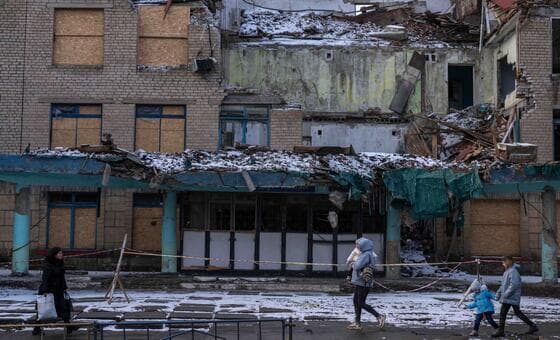
A little more detail
UN News reports that the World Food Programme provided emergency food assistance, including hot meals, to more than 400 people who left the Russian-occupied city of Oleshky during a brief local ceasefire. The dispatch says the assistance reached evacuees on the move and highlights the immediate humanitarian response.
The UN also urged that power and infrastructure be restored before winter to prevent broader humanitarian harm. The short report attributes actions to the WFP and the UN but provides limited detail on evacuee destinations, longer-term plans, exact timing, or independent corroboration.
Source and Framing Analysis
This is a brief UN News dispatch summarizing UN and WFP activity. It frames the story as humanitarian relief and infrastructure urgency without deep operational detail. Key uncertainties include where evacuees went, how ongoing assistance will be secured, exact timelines for power restoration, and lack of independent corroboration beyond the UN source.
How sources covered this story
This section compares the evidence and framing in linked reports. The Christian assessment above addresses the conduct described in the story; it does not grade a journalist’s faith or the morality of covering an event.
Compare 1 reports
Reporting 78/100
- Distinctive contribution
- Names the implementing agency (WFP), quantifies recipients as 'more than 400', and ties the assistance to evacuees from the Russian-occupied city of Oleshky during a brief local ceasefire—specific operational details not present in generic summaries.
- Framing
- Neutral, humanitarian-focused; presents the situation as relief assistance to evacuees and labels Oleshky as 'Russian-occupied', which situates the event within the conflict context.
- Omissions or uncertainty
- No date or timing beyond 'brief local ceasefire'; no direct attribution (e.g., WFP statement quoted) in the supplied excerpt; no details on the type/frequency/duration of food assistance, whether recipients are civilians, or how evacuation and delivery were secured; 'more than 400' is imprecise.
- Why these scores
- The excerpt is concise, specific, and relevant: it names the agency, location, and an approximate beneficiary count and links assistance to a ceasefire. For a brief update this is responsible reporting. It loses points for lack of sourcing or quoted attribution in the supplied text, absence of dates, and limited operational detail, but those are acceptable limitations for a short UN News item.
Christian commentary · About the conduct described in this story
Biblical Reflection
’s teaching about feeding the hungry and welcoming strangers situates emergency food aid as more than charity: it’s a basic demand of neighbor-love and human dignity. The passage is about recognizing Christ in vulnerable people and prioritizing mercy alongside justice.
A realistic Christian response is practical: support credible relief efforts, press authorities for infrastructure repairs that protect life in winter, and offer local church resources for displaced people while holding the larger political questions with careful humility.
Scripture in context
- 1 — Part of Jesus’ teaching on final judgment where acts of mercy—feeding the hungry, welcoming strangers, clothing the naked—identify those who follow him. The passage links care for vulnerable people to faithful discipleship. — Use this teaching to evaluate relief work: providing food and shelter to displaced people is a core expression of Christian mercy and obligation, not optional charity.
A suggested response for readers, separate from the assessment above.
Faithful Response
Give to vetted humanitarian responders (such as WFP) and ask your church to coordinate practical winter‑ready aid and advocacy for restoring power to affected civilians.
Reflection and Discussion
- 1Whom does Scripture call us to see and serve first when civilians are displaced?
- 2How should winter‑time power loss shape our advocacy for civilians in conflict zones?
Sources
Reporting links are evidence inputs; Sanctuary News' biblical reflection is commentary.
This is a developing, single-source report. Details may change as more reporting becomes available.
- 1.Ukraine: WFP provides hot meals to Oleshky evacuees as UN pushes to restore power before winterofficial_document