News Summary
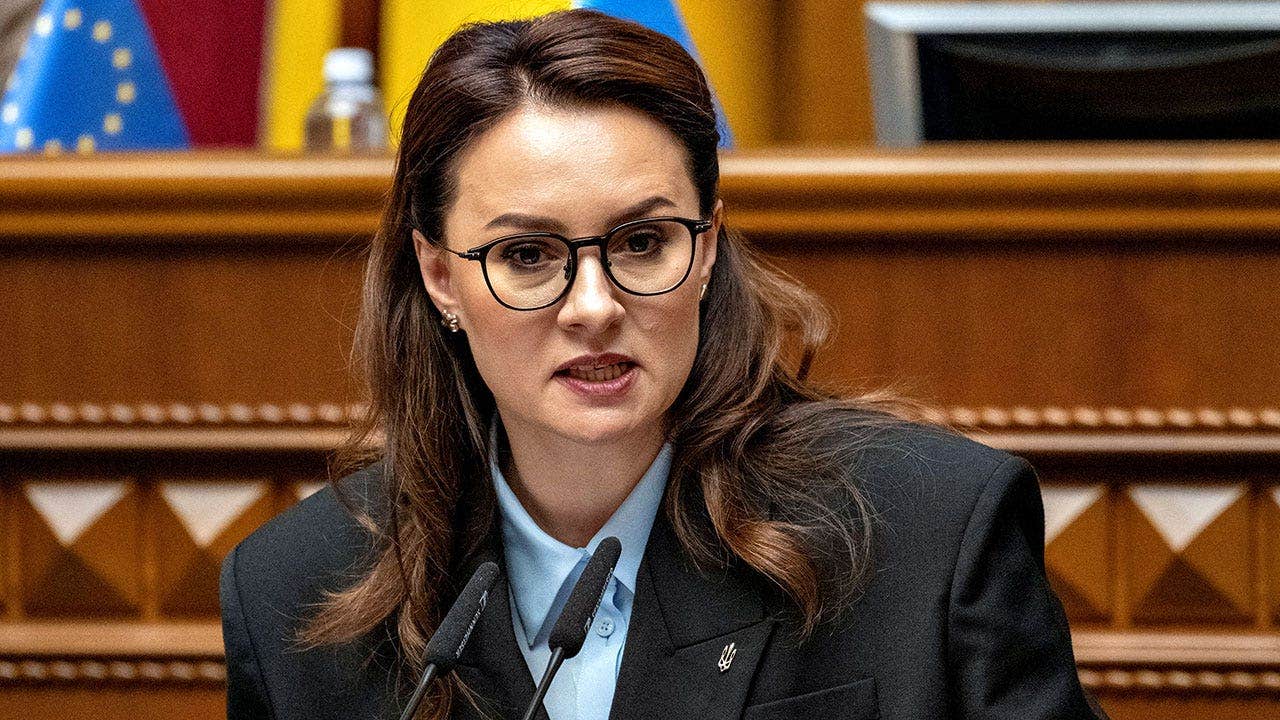
Ukrainian Prime Minister Yulia Svyrydenko announced her resignation and said President Volodymyr Zelenskyy offered her a new role focused on relations with a key international partner; she did not disclose the new position. Zelenskyy described the change as part of a broader shift in Ukraine’s political strategy, saying he will assign major areas of foreign policy to experienced officials to implement agreements and advance Ukrainian interests. He also announced planned changes to top law-enforcement leadership but gave no details. The move is the fourth major government reshuffle since Russia’s full-scale invasion. Svyrydenko, 39, served previously as economy minister and was appointed prime minister in July 2025 after helping negotiate a minerals agreement with the U.S. Following the resignation, Zelenskyy met with senior ministers including energy, interior and defense, indicating further personnel changes may follow. The report notes wartime constraints such as martial law that prohibit elections while the conflict continues.
Biblical Reflection
The article reports an organizational change in Ukraine’s wartime government without overt editorializing. It presents official statements and context about Svyrydenko’s background and the broader reshuffle. From a Christian pastoral perspective, leadership changes in a nation at war raise questions about stewardship, accountability, and the welfare of civilians. Zelenskyy frames the move as strategic and oriented toward strengthening foreign-policy implementation; that may be sincere and necessary in wartime, but centralizing decision-making under martial law can also strain democratic checks and diminish transparency. The piece omits detail on the promised law‑enforcement changes and the substance of the new role, so readers should be cautious about taking the "reshaping" language at face value. Christians should pray for wisdom for leaders, advocate for protection of the vulnerable, and watch for whether changes produce greater justice, effective defense of civilians, and clearer paths toward peace rather than merely consolidating power or political optics. Support for Ukraine’s people and refugees does not require uncritical acceptance of every political maneuver; discipleship calls for truth‑seeking, mercy, and a concern for peace and justice.
Scripture in context
This outlook does not yet include contextual Scripture citations. Do not treat a general biblical theme as an exegetical conclusion.
Faithful Response
No prescribed response is offered. Consider the reflection prompts below in your own church context.
Reflection and Discussion
- 1Does this personnel change appear aimed at strengthening effective governance and protection of civilians, or at consolidating authority during wartime?
- 2What information is missing (details of the new role, law‑enforcement changes) that we should demand to judge whether this shift serves justice and the common good?
- 3How should Christians balance support for a nation under attack with ongoing calls for transparency, accountability, and steps toward peace?
Sources
Reporting links are evidence inputs; Sanctuary News' biblical reflection is commentary.
This outlook currently relies on fewer than two linked sources. Broaden verification before teaching from it.
- 1.Original reportprimary