News Summary
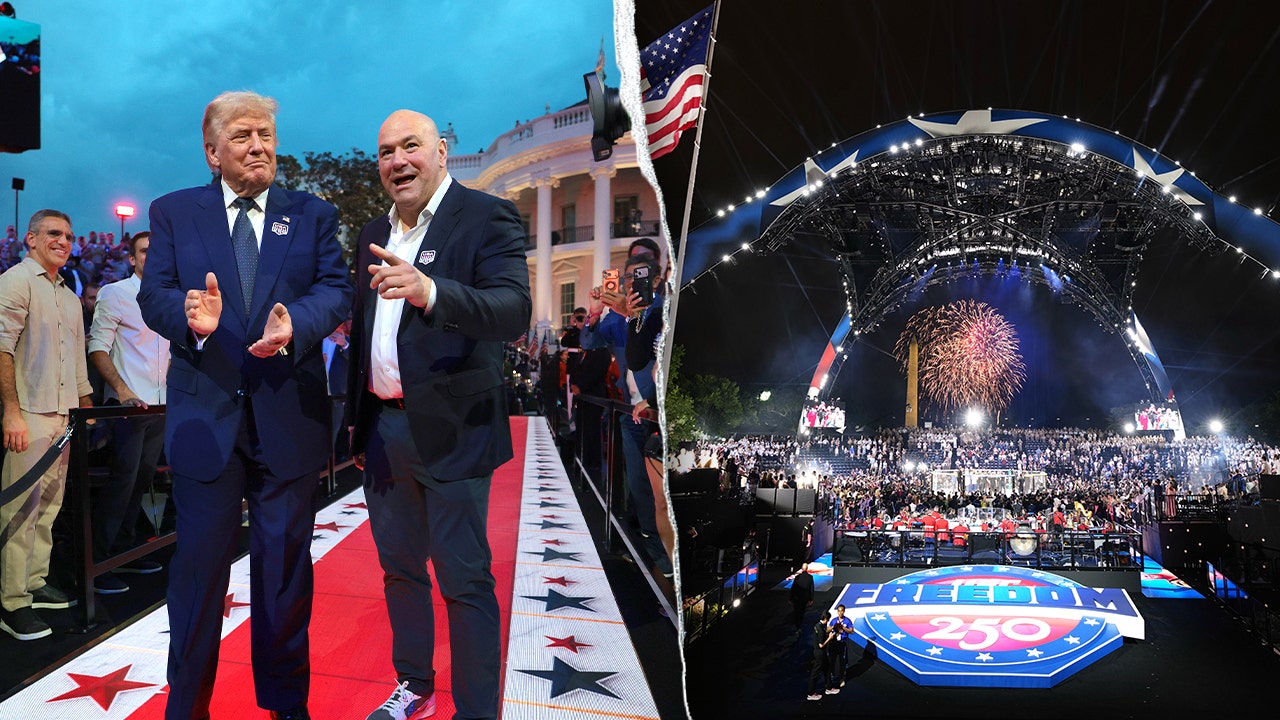
Fox Nation released a two-part documentary, 'UFC Fight House: The Making of the Biggest Fight in History,' that chronicles planning and production of UFC Freedom 250, described in the film as the first professional sporting event held on the White House South Lawn. The documentary features interviews and commentary from UFC CEO Dana White, President Donald Trump, and production lead Craig Borsari, and details nine months of logistics including construction of a temporary seating structure called 'the Claw.' The piece presents organizers' perspectives and promotional claims, including a reported total global viewership estimate of about 34 million (with Paramount+ reporting 17 million U.S./Latin America viewers). The article notes the event occurred around June 14–15, 2026, and references that a federal lawsuit had sought to block the event (the article does not develop the lawsuit's details).
Biblical Reflection
The article—and the documentary it describes—frames the event as a logistical and promotional success, emphasizing spectacle, patriotism, and the organizers' achievement. As presented, it is primarily a first-person account by those who produced the event; critical voices, legal context, and concerns about precedent for using presidential grounds are largely absent. From a Christian discernment perspective, celebrate craftsmanship and good stewardship where they exist, but be wary of conflating patriotism with spectacle or of elevating political leaders through entertainment. Public spaces and offices of leadership carry responsibilities that go beyond staging memorable events: they ought to reflect justice, common good, and humility. The documentary’s tone and the article’s placement on a partisan platform suggest selective framing intended to promote the event and its hosts rather than offer balanced civic reflection. Christians should seek truth by looking for missing perspectives (legal, ethical, and civic), resist idolizing leaders or national moments, and consider whether the use of public institutions served the broader community or primarily amplified particular personalities and brands.
Scripture in context
This outlook does not yet include contextual Scripture citations. Do not treat a general biblical theme as an exegetical conclusion.
Faithful Response
No prescribed response is offered. Consider the reflection prompts below in your own church context.
Reflection and Discussion
- 1Whose voices and concerns are missing from this account—legal watchdogs, civic leaders, or ordinary citizens—and how would their inclusion change the story?
- 2Does holding a commercial sporting spectacle at the presidential residence change how we think about public institutions and the line between private promotion and public office?
- 3Are we tempted to measure patriotism by pageantry and media reach rather than by service, justice, and care for our neighbors?
Sources
Reporting links are evidence inputs; Sanctuary News' biblical reflection is commentary.
This outlook currently relies on fewer than two linked sources. Broaden verification before teaching from it.
- 1.Original reportprimary