News Summary
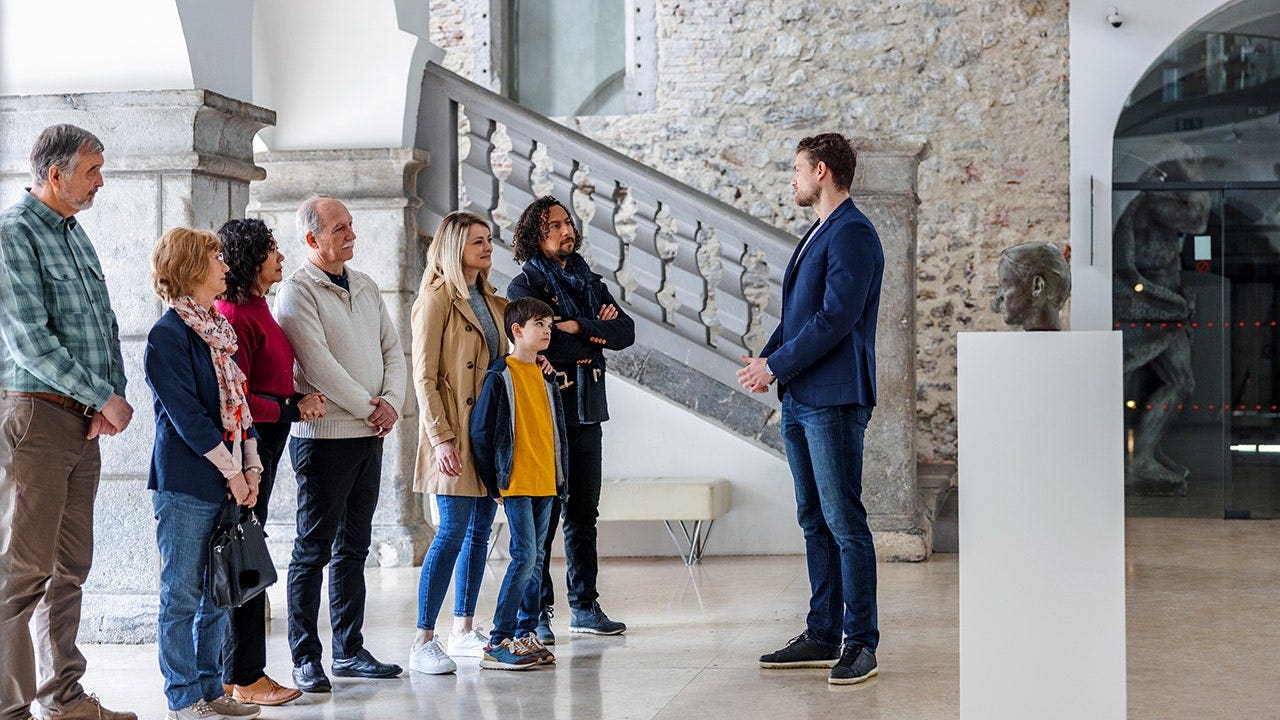
Researchers at University College London analyzed data from more than 3,500 adults to examine associations between participation in arts and cultural activities (painting, photography, dancing, singing, museum visits, attending cultural or historic sites) and measures of biological aging derived from DNA-based "epigenetic clocks." The study, published in Innovation in Aging, found that people who engaged more frequently and in a greater variety of arts and cultural activities tended to have slower epigenetic aging scores than those who rarely participated. The association was stronger among adults over age 40 and remained after statistical adjustment for smoking, income, body weight, and other lifestyle factors. Authors and outside experts emphasized that this was an observational study and cannot establish causation; alternative explanations (e.g., healthier people being more able to attend cultural activities) remain possible. Some commentators noted that effect sizes in some measures were comparable to those associated with physical activity.
Biblical Reflection
This study highlights two Biblically resonant truths: humans flourish in community and through engagement with beauty and meaningful activity, and we are called to steward our bodies. The article tends toward a positive, lifestyle-promoting frame—encouraging arts engagement as part of holistic health—which is helpful insofar as it supports social connection, reduced stress, and mental stimulation. However, the piece also reflects common modern biases: an overconfidence that correlation implies causation, and a materialist reduction that equates spiritual goods (beauty, community, meaning) primarily with biological outcomes. Christians should welcome findings that affirm the goods of creativity, fellowship, and rest, recognizing these as gifts from God that can support well-being. At the same time, we must resist turning longevity or physical health into ultimate aims. Scripture invites us to care for our bodies (1 Corinthians 6:19–20) and to cultivate beauty and community, but our ultimate hope is not merely longer life or biological youthfulness. Practically, the article’s implications are modest and plausible: participating in arts and cultural life can be a wise element of holistic stewardship—especially for those facing isolation or stress—but the study’s observational design, possible selection effects, and limited detail about access and diversity of participants mean this should inform, not dictate, our priorities.
Scripture in context
This outlook does not yet include contextual Scripture citations. Do not treat a general biblical theme as an exegetical conclusion.
Faithful Response
No prescribed response is offered. Consider the reflection prompts below in your own church context.
Reflection and Discussion
- 1Does the article clearly distinguish correlation from causation, or does its tone encourage readers to assume visiting museums will directly slow cellular aging?
- 2Whose access to arts and cultural venues does this research assume or leave out, and how might socioeconomic or health differences shape who benefits?
- 3Are we tempted to make physical longevity our chief good, rather than valuing creative engagement and community as goods given by God regardless of measurable biological effects?
Sources
Reporting links are evidence inputs; Sanctuary News' biblical reflection is commentary.
This outlook currently relies on fewer than two linked sources. Broaden verification before teaching from it.
- 1.Original reportprimary