News Summary
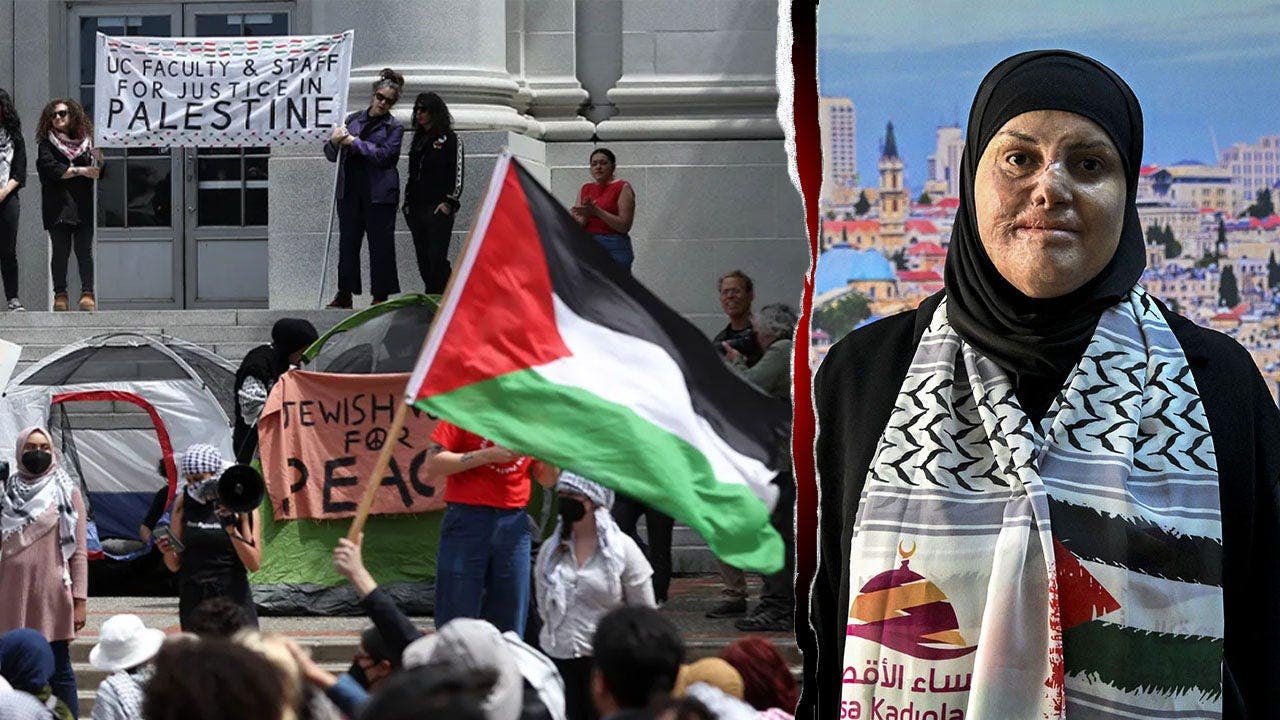
UC Berkeley Law Students for Justice Palestine posted an Instagram video message from Israa Jaabis as part of a Palestinian Political Prisoners Day event. Jaabis, who was convicted in Israel for attempting to detonate a car bomb in 2015 and who was imprisoned from 2015 to 2023, thanked the student audience and spoke about Palestinian prisoners and liberation. The posting and the event drew public criticism online and media coverage. UC Berkeley Law’s communications office said the university, as a public institution, must remain content neutral under the First Amendment and pointed students who feel threatened to campus support resources.
Biblical Reflection
From a Christian perspective, this story raises several moral and pastoral issues. Christians should affirm truth-telling about violent acts: kidnapping or attempted murder is not neutral and should not be romanticized. At the same time, the biblical call to love our enemies and show compassion to the imprisoned (Matthew 25:36; Luke 6:27–36) means we avoid dehumanizing persons, even those who have committed grave wrongs, while still condemning violence. The university’s response emphasizes legal free-speech protections; Christians should recognize the difference between allowing speech and endorsing the content of that speech. Media framing and social-media reactions often simplify complex realities into partisan labels—be discerning about language that inflates or reduces people and events to slogans. Practically, the faithful response balances commitment to justice for victims, truthful analysis of causes and consequences, compassionate care for broken people, and careful stewardship of words so that neither violence is justified nor the dignity of persons is erased.
Scripture in context
This outlook does not yet include contextual Scripture citations. Do not treat a general biblical theme as an exegetical conclusion.
Faithful Response
No prescribed response is offered. Consider the reflection prompts below in your own church context.
Reflection and Discussion
- 1Does sharing a message from someone convicted of violent wrongdoing implicitly endorse that wrongdoing, or does it provide a platform for understanding motives and consequences—and how should Christians discern the difference?
- 2How do we balance the biblical commitments to truth, justice for victims, and compassion for the guilty when institutions cite free speech as the reason to permit controversial speakers?
- 3What language or framing in media coverage might be steering your emotional response rather than helping you evaluate the moral realities involved?
Sources
Reporting links are evidence inputs; Sanctuary News' biblical reflection is commentary.
This outlook currently relies on fewer than two linked sources. Broaden verification before teaching from it.
- 1.Original reportprimary