News Summary
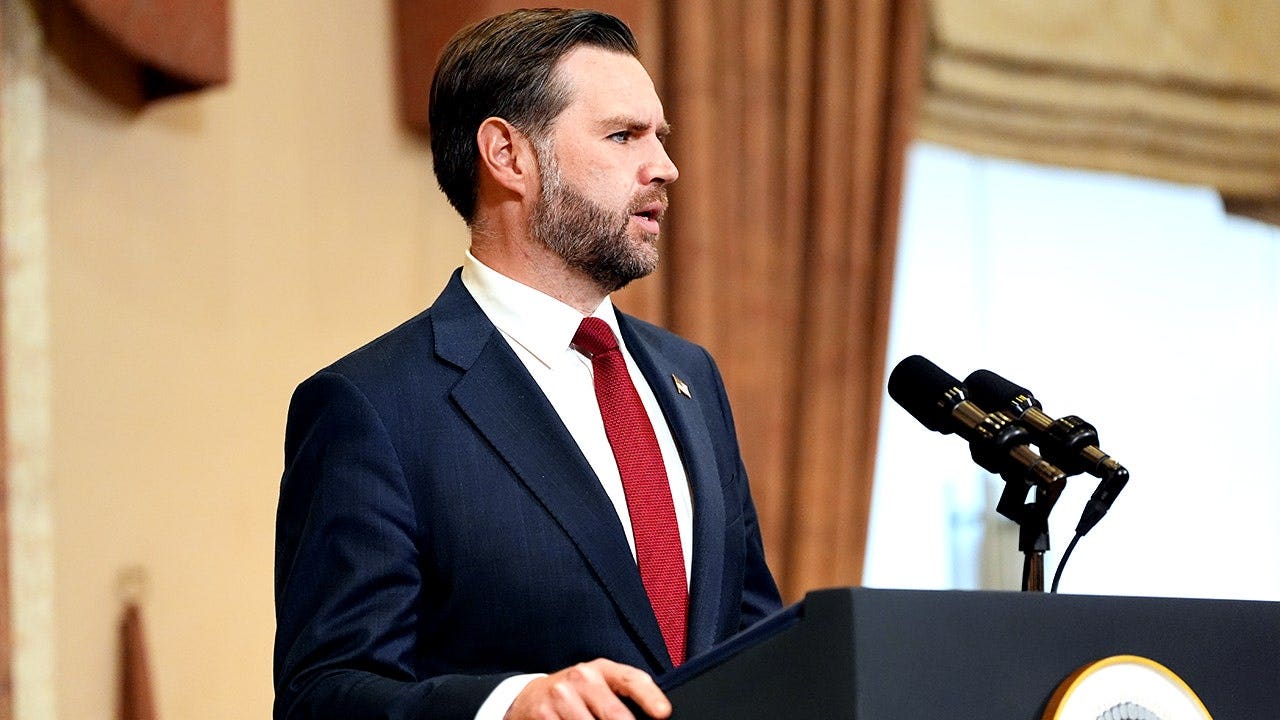
Vice President JD Vance arrived in Switzerland early Sunday to join U.S. envoys Jared Kushner and Steve Witkoff for a new round of talks with Iranian representatives at Bürgenstock. Swiss officials confirmed the Iranian delegation's arrival; Iranian Foreign Minister Abbas Araghchi was reported to be expected. The negotiations had been postponed from an earlier planned date. The discussions follow a memorandum of understanding President Trump signed at the G7 summit establishing a 60-day ceasefire and a framework for broader negotiations. U.S. statements indicate the talks will focus on Iran's nuclear program and the Israel–Hezbollah/Lebanon ceasefire. Before departure, Vance described plans for a principal-level political leadership overseeing technical teams and said he expected to remain in Switzerland one to two days. Pakistan announced its prime minister and army chief would participate in technical-level talks. President Trump posted that the U.S. could impose tolls in the Strait of Hormuz if a lasting agreement is not reached before the ceasefire expires.
Biblical Reflection
From a Christian perspective, the article reports high-stakes diplomacy aimed at preventing further violence and nuclear proliferation—goals that align with the biblical impulse to pursue peace and protect the vulnerable. The narrative centers U.S. officials and emphasizes procedural and strategic objectives; it gives limited visibility to Iranian perspectives or to humanitarian conditions on the ground in Lebanon. Political rhetoric that couples diplomacy with overt threats (for example, economic or maritime pressure) should be weighed carefully: while deterrence can sometimes avert conflict, Scripture calls leaders to seek justice and protection for civilians rather than displays of dominance. Readers should note potential framing biases—coverage focusing on U.S. actors and outcomes may understate regional actors' motives and the human cost of escalation. Christians watching these events should pray for negotiators to act with humility, pursue genuine reconciliation where possible, and prioritize the safety and dignity of noncombatants.
Scripture in context
This outlook does not yet include contextual Scripture citations. Do not treat a general biblical theme as an exegetical conclusion.
Faithful Response
No prescribed response is offered. Consider the reflection prompts below in your own church context.
Reflection and Discussion
- 1Whose voices and humanitarian realities are missing from this account, and how does that omission shape our view of the negotiations?
- 2Are public threats or displays of leverage presented as legitimate diplomatic tools, and how should Christians weigh deterrence versus peacemaking?
- 3Does the coverage focus more on procedure and political actors than on concrete protections for civilians who bear the consequences of any agreement or its failure?
Sources
Reporting links are evidence inputs; Sanctuary News' biblical reflection is commentary.
This outlook currently relies on fewer than two linked sources. Broaden verification before teaching from it.
- 1.Original reportprimary