News Summary
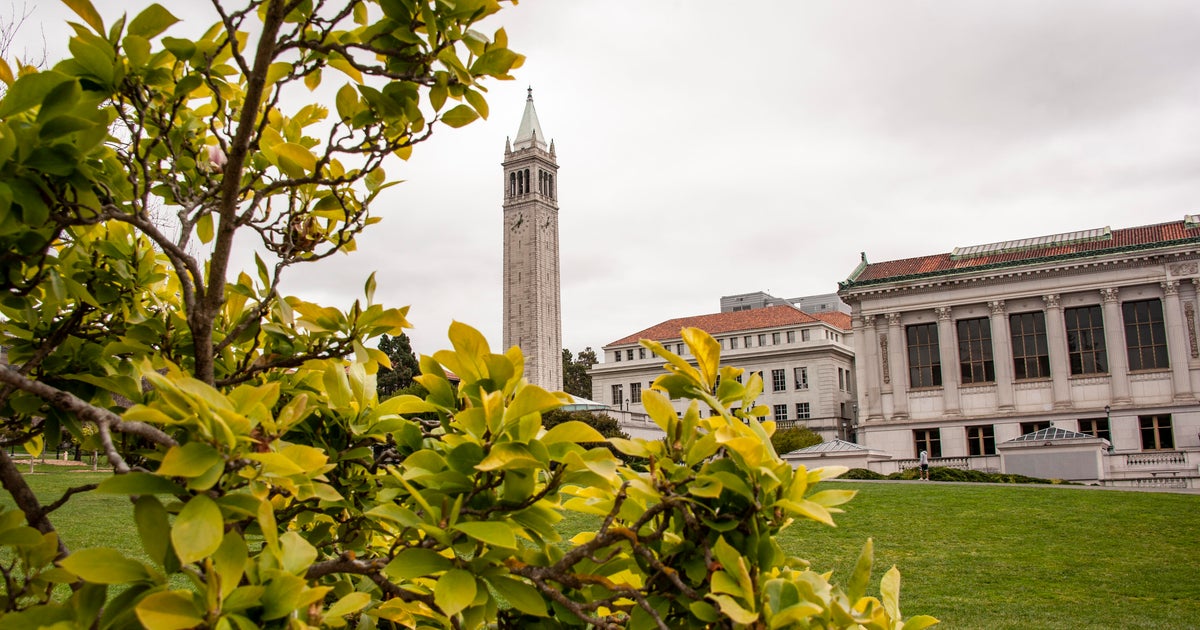
A CBS News review of university funding records submitted to the U.S. Department of Education found roughly $27.6 million received in the latter half of last year by dozens of U.S. research institutions from entities that appear on one or more federal watch lists maintained by agencies including Treasury, Commerce, Homeland Security, Defense, and State. Examples include Aviation Engine Corporation of China (AECC) payments totaling about $7.8 million to Northwestern, UC Irvine and UConn, and a previously disclosed $22.6 million, 50‑year contract between Bryant University and the Beijing Institute of Technology. The records show UC Berkeley received more than $25 million from China‑based entities on U.S. watch lists, including a $7.6 million grant from Sun Yat‑sen University. Federal officials say disclosures under Section 117 have sometimes lapsed and were not cross‑checked against watch lists, allowing funding from entities with military ties to flow to U.S. campuses. In response, State and Education Department officials — including Under Secretary Sarah B. Rogers — have warned R‑1 university governing boards to increase diligence; the NSF has barred use of its funds in collaborations with entities on restricted parties lists, and NASA has paused grants flagged for potential prohibited cooperation with China. Total foreign funding to U.S. universities reached $1.5 billion in 2022, under 2% of total university R&D funding that year.
Biblical Reflection
The article presents verifiable examples showing that a nontrivial amount of university funding originated from entities on U.S. government watch lists and that federal agencies are moving to enforce existing disclosure and research‑security rules. From a Christian pastoral perspective, two goods are in tension: the vocation of the university to pursue knowledge collaboratively for the common good, and the civil responsibility to protect national security, public safety, and honest stewardship of public research funds. The reporting is careful about facts but leaves open the purpose and research content tied to many payments, so the reader should avoid leaping to alarm without fuller context. Christians should press for truthful transparency, prudent safeguards, and measured policy that protects people and research without slipping into fear‑driven xenophobia or blanket suspicion of all international collaboration. Institutions and governments alike are called to steward resources honestly, to seek wisdom in weighing risks and benefits, and to treat foreign partners and students with justice and discernment while guarding what is shared that could harm others.
Scripture in context
This outlook does not yet include contextual Scripture citations. Do not treat a general biblical theme as an exegetical conclusion.
Faithful Response
No prescribed response is offered. Consider the reflection prompts below in your own church context.
Reflection and Discussion
- 1Are we allowing the real risk to national security to guide policy, or are we letting fear of a particular country shape broad assumptions about all foreign collaboration?
- 2What specific information about the purpose and use of foreign funds is missing from public disclosures, and how would that change our judgment about risk?
- 3How can universities and government build rules that protect sensitive research while preserving respectful, constructive international academic exchange?
Sources
Reporting links are evidence inputs; Sanctuary News' biblical reflection is commentary.
This outlook currently relies on fewer than two linked sources. Broaden verification before teaching from it.
- 1.Original reportprimary