News Summary
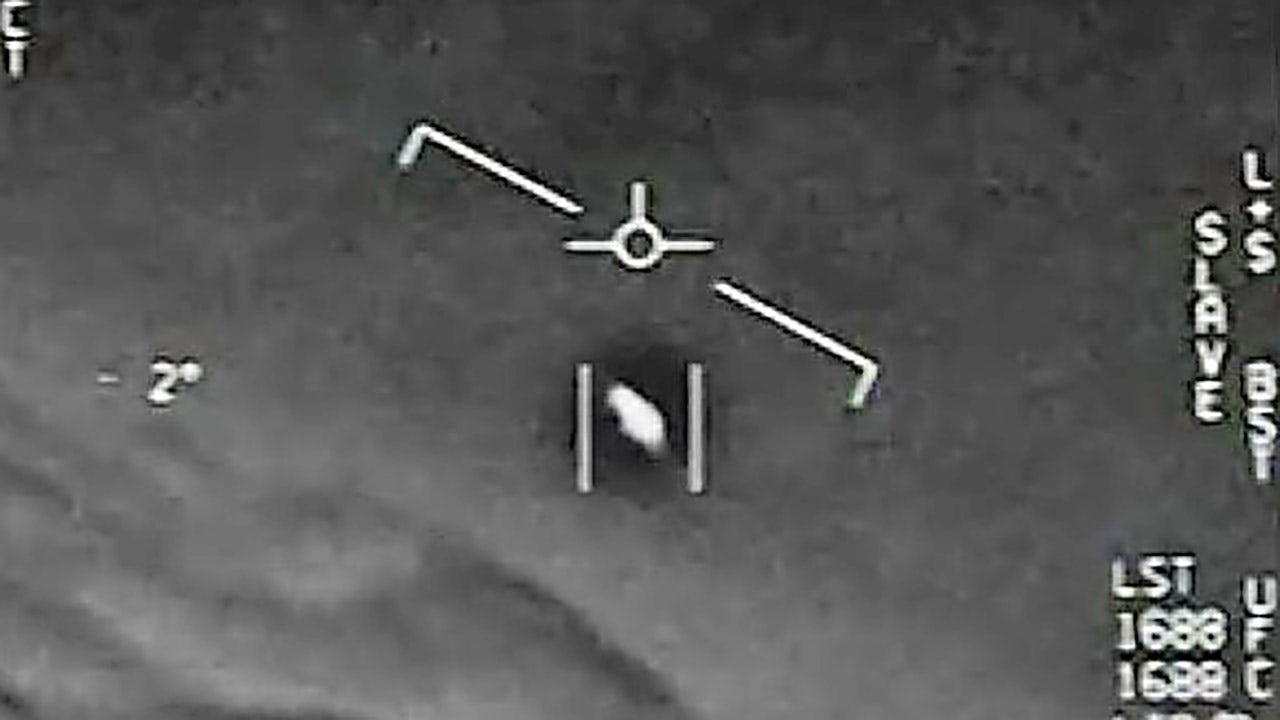
Retired Army officer and national-security analyst Robert Maginnis argues that the U.S. is right to investigate unidentified aerial phenomena (UAPs) but warns against public certainty without evidence. He recounts an anecdote about an unverified claim from a retired Navy mortician who allegedly examined non-human bodies and stresses the need for photographs, lab reports, chain-of-custody documentation, and independent corroboration before accepting extraordinary claims. Maginnis notes the Pentagon's All-domain Anomaly Resolution Office (AARO) released declassified case files in 2024 and that some incidents remain unresolved with unknown technology listed as a possible explanation. He distinguishes investigation (collecting sensor data, testimony, and records) from interpretation (explaining what phenomena are), urging disciplined analysis, transparency consistent with national-security needs, scientific testing of hypotheses, and humility. As an evangelical Christian, he also argues Christians should neither mock mysteries nor accept extraordinary claims without evidence. He concludes that disciplined inquiry and better questions — not confident speculation — are the best path to separate fact from fiction on UAPs.
Biblical Reflection
The article promotes a measured, evidence-first approach that aligns with Christian commitments to truth and humility. Its core intention is to caution against both gullible certainty and dismissive cynicism, urging rigorous collection and verification of data and mindful interpretation. The piece rightly highlights that government secrecy can be legitimate for security reasons but is not the same as proof; likewise testimony without supporting evidence should be treated cautiously. Potential biases include the author's national-security background and affiliation with a conservative think tank, which frame UAPs primarily as an intelligence challenge and may downplay cultural or scientific curiosity about the topic. The article also brings theology into the discussion: using biblical awareness of spiritual realities helps temper purely materialist assumptions, but mixing theological categories with empirical claims risks conflating different methods of knowing. Pastoral discernment calls Christians to seek truth patiently, demand accountability and transparency where possible, and avoid sensationalizing unverified stories that can foster fear, division, or distrust. Support for investigation and scientific testing is consistent with stewardship of truth and care for neighbor, while vigilance against rumor and spectacle protects the common good.
Scripture in context
This outlook does not yet include contextual Scripture citations. Do not treat a general biblical theme as an exegetical conclusion.
Faithful Response
No prescribed response is offered. Consider the reflection prompts below in your own church context.
Reflection and Discussion
- 1Are we letting desire for a dramatic answer (extraterrestrial, spiritual, or conspiratorial) shape how we interpret thin or anecdotal evidence?
- 2How does the language of national security change the way claims are framed and trusted compared with scientific inquiry?
- 3Where should Christians place their confidence when empirical evidence is incomplete but cultural claims about ultimate meaning press in?
Sources
Reporting links are evidence inputs; Sanctuary News' biblical reflection is commentary.
This outlook currently relies on fewer than two linked sources. Broaden verification before teaching from it.
- 1.Original reportprimary