News Summary
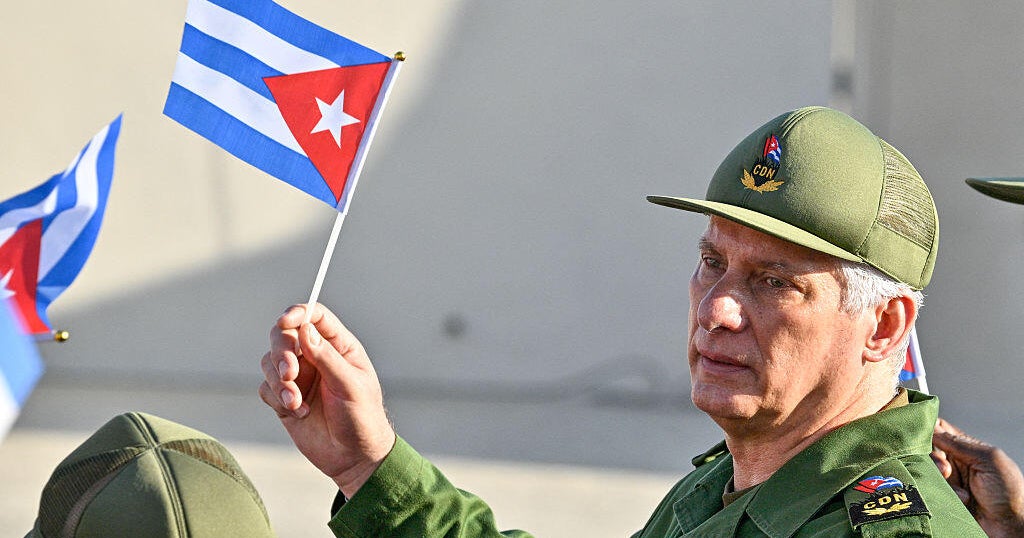
On June 4, 2026, the U.S. Treasury Department announced sanctions targeting Cuban President Miguel Díaz-Canel, his wife Lis Cuesta Peraza, and several other individuals, including Alejandro Castro Espín, his son Raúl Alejandro Castro Calis, and Díaz-Canel's stepson Miguel Anido Cuesta. The action follows a recent executive order expanding sanctions on Cuba and earlier rounds of sanctions announced by the Trump administration. The sanctions freeze any property and U.S. bank accounts of designated individuals, though the degree of their exposure to the U.S. financial system is unclear. The article reports wider U.S. pressure measures—an alleged energy blockade and restrictions on fuel shipments—have coincided with severe power outages, food shortages and economic distress on the island, outcomes the piece links to heightened sanctions and other U.S. actions. U.S. officials cited include President Donald Trump, who spoke of wanting Cuba to become a “nicely run country” and discussed regime-change rhetoric, and Senator Marco Rubio, who warned more sanctions were expected and described GAESA as a primary target. The report also notes a recent visit by CIA Director John Ratcliffe to Havana, criminal charges announced against Raúl Castro, and the detention in Miami of Adys Lastres Morera, whose sister leads GAESA. The Cuban government had not immediately commented in the article. The piece places the new measures in the context of prior U.S. sanctions on other leaders internationally.
Biblical Reflection
This report describes a government-to-government use of economic sanctions and political pressure. From a Christian pastoral perspective, we should evaluate both the pursuit of justice and the likely human cost. Holding officials accountable for corruption, human-rights abuses, or malign influence can be a legitimate aim; the need for truthful reporting and careful evidence is real. But the article also shows a strong emphasis on punitive rhetoric and regime-change language from U.S. leaders, and it does not document Cuban perspectives or independent verification of some causal claims (for example, the precise contribution of sanctions versus internal policy to shortages). Christians are called to seek truth, protect the vulnerable, and prefer peacemaking over triumphalism. Sanctions aimed at leaders can be appropriate when targeted and paired with humanitarian safeguards; broad measures that deepen civilian suffering require careful moral scrutiny. The article’s framing centers U.S. political aims and quotes forceful language from U.S. officials; readers should note the potential bias this creates and the omission of on-the-ground voices from ordinary Cubans, humanitarian agencies, and Cuban officials. In weighing this news, Christians should pray for wisdom for policymakers, compassion for those harmed, and humility about the limits of coercive tools to bring about just and lasting change.
Scripture in context
This outlook does not yet include contextual Scripture citations. Do not treat a general biblical theme as an exegetical conclusion.
Faithful Response
No prescribed response is offered. Consider the reflection prompts below in your own church context.
Reflection and Discussion
- 1Whose voices are missing in this coverage, and how would including Cuban civilians and humanitarian assessments change the picture?
- 2Are the reported outcomes (blackouts, food shortages, economic collapse) being attributed solely to sanctions, internal policy, or both — and how does that affect moral responsibility?
- 3Do our political goals prioritize neighbor-love and peacebuilding, or do they risk celebrating another nation’s hardship for strategic advantage?
Sources
Reporting links are evidence inputs; Sanctuary News' biblical reflection is commentary.
This outlook currently relies on fewer than two linked sources. Broaden verification before teaching from it.
- 1.Original reportprimary